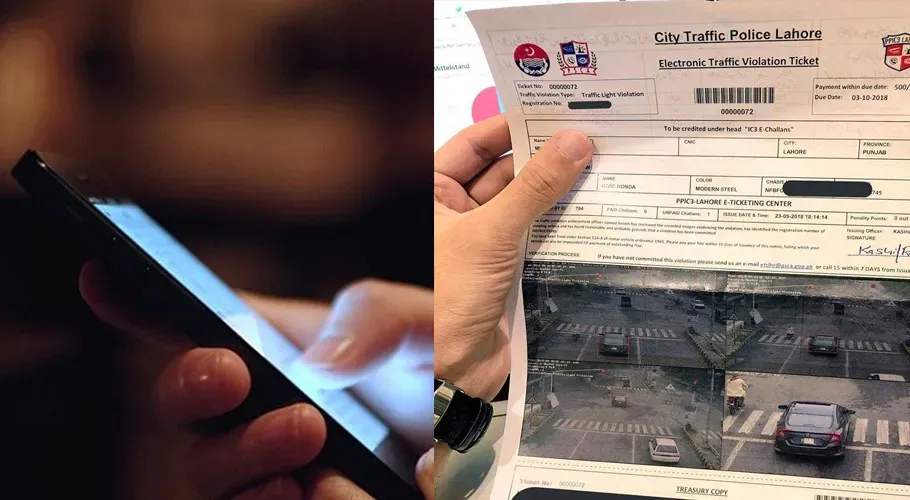
Lisbon has always been open to testing creative ideas, but a new concept has taken residents surprise. A recently launched app claims to let citizens convert their traffic fines into digital tokens. According to its creators, the system is designed to encourage responsible driving offering users rewards and digital perks after settling their penalties. While the idea has sparked amusement and curiosity across the city, it has also raised many questions about how such a system would work in everyday life.
The app’s promotional material explains that once a user pays their traffic fine, they earn a small number of tokens they can use for discounts, event entries, or digital collectibles. The idea blends the seriousness of traffic rules with the playful world of digital rewards. Many people see it as a humorous twist on traditional penalties, while others believe it could be an interesting step toward making public services more engaging.
How the Fine-to-Token System Works
The most important part of this story is understanding how the app transforms fines into tokens. When a person receives a traffic fine, they can log into the app, enter the reference number, and pay through the platform. After the payment is confirmed, the app generates a set amount of tokens based on the fine’s value. These tokens are not financial assets. Instead, they function like points that can be exchanged for small perks offered participating businesses.
Developers say the goal is to make the payment process less frustrating while encouraging safe driving. The system does not reduce or replace fines. Citizens still pay the full amount, but the tokens add a feeling of reward rather than punishment. The developers believe this approach could motivate people to stay more aware of traffic rules in the long run.
Public Reactions Range From Amused to Cautious
The public responded to the app with a mix of humor and interest. Some residents joked that it almost made getting a fine feel like winning a small prize, while others said it softened the stress of paying unexpected penalties. Many saw it as an amusing example of Portugal’s growing digital creativity. Tourists who heard about the app found the idea entertaining and commented that Lisbon always finds ways to blend daily life with modern innovation.
However, some citizens expressed caution. A few argued that turning fines into tokens might make penalties feel less serious. Others wondered whether the app would encourage people to rely on digital platforms too heavily for simple tasks. Still, the general reaction remained positive, with many appreciating the novelty even if they were unsure about long-term usefulness.
Why Businesses Are Interested in Participating
Local businesses quickly recognized the promotional potential behind the app. accepting tokens in exchange for small perks, they gain more visibility among residents. Some cafés offer a free pastry for a certain number of tokens, while small shops provide minor discounts to those who collect enough points. For businesses, the tokens act as a lighthearted marketing tool that draws in customers who enjoy the app’s concept.
Event organizers have also shown interest, using tokens as entry perks for concerts or small gatherings. They believe the playful nature of the system appeals to younger audiences who enjoy digital rewards. Many businesses have begun using the app’s promotional graphics in their marketing, adding color and humor to their advertising.
Can This Idea Influence Public Services?
Although the app is not officially linked to the government, its popularity has sparked discussions about more interactive approaches to public services. Some people believe that gamified systems can encourage better behavior, similar to reward-based wellness apps. Others feel that serious issues like traffic safety should remain straightforward and not rely on digital incentives.
Experts note that digital rewards can be powerful motivators when used responsibly. They also highlight that such systems must remain ethical, fair, and transparent. Whether or not the fine-to-token idea grows, it has opened a conversation about how technology can add unexpected creativity to everyday processes.
Conclusion
The app that converts traffic fines into tokens has brought humor, curiosity, and innovation to Lisbon’s daily routine. While the system does not replace traditional penalties, it adds an entertaining twist that encourages engagement and responsible driving. Whether it becomes a long-term trend or remains a playful experiment, the concept shows how modern ideas can transform even the most ordinary aspects of life into something memorable.