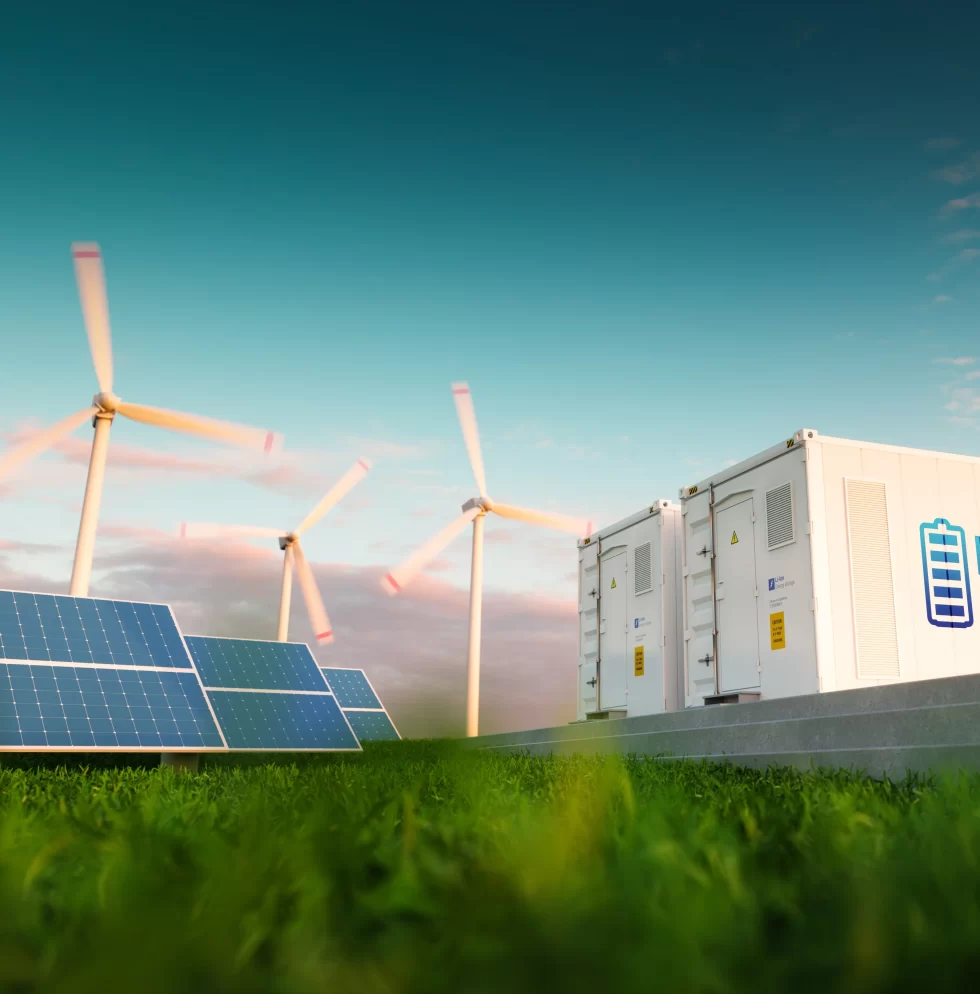
Portugal is entering an ambitious new phase of energy transition as national strategies place stronger emphasis on sustainability, renewable production, and long-term environmental planning. These initiatives aim to reshape the country’s energy landscape over the next decade promoting cleaner alternatives, reducing carbon emissions, and improving energy independence. As global expectations for climate action increase, Portugal is positioning itself as a leader in green innovation, supported policies that encourage collaboration between public institutions, energy companies, and scientific researchers.
This renewed focus on sustainable energy comes at a time when global markets are shifting toward cleaner systems and new technologies that support environmental resilience. Portugal’s strategic plans highlight the importance of expanding renewable resources, modernizing energy infrastructure, and adapting urban environments to future energy demands. These developments show a strong national commitment to building a cleaner, more efficient energy sector that benefits both the economy and the environment.
Renewable energy expansion shapes Portugal’s future direction
One of the most important pillars of Portugal’s energy strategy is the expansion of renewable energy sources, including wind, solar, and hydroelectric power. These resources already play a significant role in the national energy mix, but new projects aim to increase their contribution even further. Solar installations are growing rapidly across both urban and rural areas, supported favorable policies and competitive technology costs. Wind farms continue to advance as well, offering large-scale energy production that supports national sustainability goals.
Portugal is also exploring innovative energy solutions such as floating solar platforms and offshore wind projects. These technologies offer new opportunities for expanding renewable capacity without occupying heavily populated land areas. diversifying its energy sources and investing in long-term solutions, Portugal can strengthen its resilience against global energy fluctuations. The continued rise of renewable energy supports economic stability and reinforces the country’s commitment to climate-forward initiatives.
Digital tools improve national energy efficiency
Digital transformation is becoming an essential element of Portugal’s new energy strategies. Smart grids, advanced data analytics, and real-time monitoring tools are being introduced to improve the efficiency of the national energy system. These technologies allow for better management of consumption patterns, reducing waste and optimizing energy distribution. As more households and businesses adopt smart meters and connected devices, Portugal gains greater insight into electricity demand and opportunities for improved planning.
Digital platforms also help energy providers respond more quickly to system changes and integrate renewable energy sources more effectively. Automated tools support load balancing, predictive maintenance, and more accurate forecasting of consumption trends. These improvements lead to a more reliable and flexible energy system capable of meeting future needs. Digital integration is helping Portugal build a modern energy infrastructure that supports both sustainability and economic competitiveness.
Public and private collaboration drives sustainable investment
Portugal’s new energy strategies rely heavily on coordinated efforts between government institutions, private companies, and research organizations. Public policy plays a central role in setting national goals, providing incentives for green investment, and guiding the development of new energy projects. These policies help create a favorable climate for businesses that specialize in renewable technologies, energy management systems, and environmental solutions.
Private companies contribute through innovation, infrastructure development, and technological adaptation. Many firms are investing in energy-efficient production methods, renewable-powered operations, and carbon reduction initiatives. Research institutions help support these efforts studying emerging technologies and exploring new scientific approaches to energy management. Together, these sectors form a strong foundation for advancing Portugal’s long-term green agenda.
Urban planning supports cleaner and more efficient cities
Portugal’s cities are adopting energy strategies that support sustainable development across transportation, housing, and public spaces. Urban planning initiatives include energy-efficient building designs, expanded public transportation networks, and the integration of renewable energy into municipal infrastructure. Cities are introducing more charging stations for electric vehicles, investing in solar-powered street lighting, and encouraging the use of energy-efficient appliances in residential areas.
These improvements help reduce congestion, lower emissions, and build environments that support healthier daily living. Urban innovation also encourages citizens to participate in sustainable practices such as using public transit, installing rooftop solar panels, or adopting energy-saving habits at home. As cities modernize their energy systems, they contribute directly to Portugal’s long-term sustainability goals.
Conclusion
Portugal’s new energy strategies reflect a forward-looking approach that prioritizes renewable expansion, digital modernization, collaborative investment, and sustainable urban planning. With these initiatives guiding the next decade, the country is steadily building a greener, more resilient energy future.