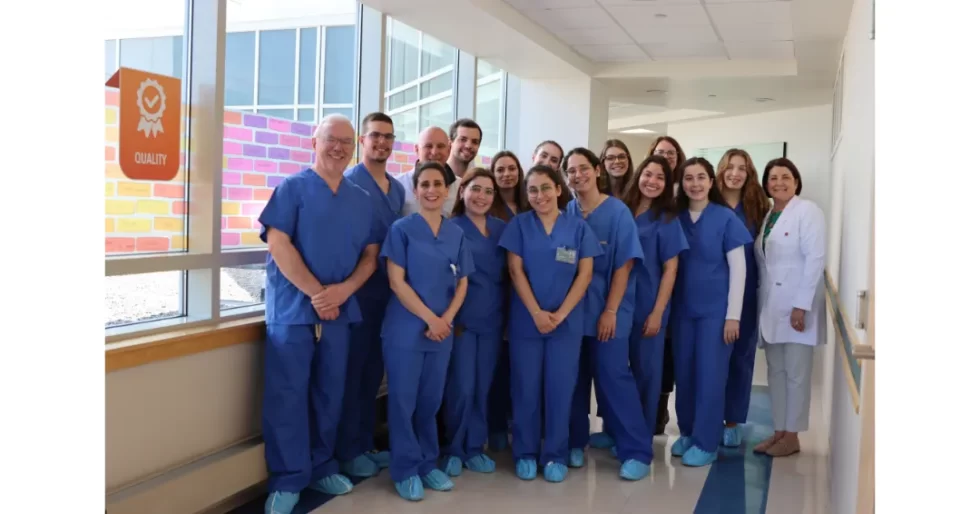
A new group of medical interns has begun service in Portugal’s Azores, reinforcing healthcare capacity across the Atlantic archipelago as the region seeks to strengthen both training and patient care. A total of 71 medical interns are starting their general and specialist training this month, a move welcomed regional authorities as a boost to the Regional Health Service.
The Azorean government said the placements will enhance the ability of the Regional Health Service to respond to growing healthcare needs while also supporting the long term development of medical professionals within the islands. Officials highlighted that training doctors locally is an important strategy to improve retention and reduce reliance on temporary staffing from mainland Portugal.
According to the Regional Secretariat for Health and Social Security, 40 doctors will undertake the general training year during 2026. These interns will be distributed across the Azores’ three main hospitals, located on the islands of São Miguel, Terceira and Faial. In addition to hospital rotations, the trainees will also gain experience within Island Health Units, allowing them to work in community and primary care settings across the archipelago.
Health authorities say this rotation model is designed to expose young doctors to the full range of medical practice in an island context, from emergency and inpatient care to family medicine and preventive services. It also aims to familiarise interns with the logistical and demographic challenges unique to providing healthcare across multiple islands separated long distances.
Alongside general training, 31 doctors have been placed in specific specialist training programmes within the region. Of these, 17 will be based at the Hospital do Divino Espírito Santo on São Miguel, the largest hospital in the archipelago. Two specialists will train at the Hospital de Santo Espírito da Ilha Terceira, while 10 have been assigned to the São Miguel Island Health Unit and two to the Terceira Island Health Unit.
Regional officials said the distribution reflects both service needs and training capacity, with a focus on ensuring that specialist training contributes directly to patient care. The presence of interns in health units outside major hospitals is also intended to improve access to medical services in smaller communities, where shortages have historically been more acute.
The Azorean government has repeatedly stressed the importance of investing in human resources as part of broader health system reforms. In recent years, the region has faced challenges linked to ageing populations, geographic isolation and difficulties in attracting and retaining healthcare professionals. Authorities believe that expanding local training opportunities is key to addressing these issues in a sustainable way.
Medical associations have welcomed the arrival of the new interns, noting that they bring renewed energy to clinical teams while benefiting from close supervision in smaller hospital environments. Senior doctors say the Azores offer a valuable training ground, where interns can gain broad clinical experience and develop strong relationships with patients.
For the interns themselves, beginning their careers in the Azores presents both opportunities and challenges. Many will be working in island communities for the first time, adapting to different patient profiles and resource constraints. However, regional health leaders argue that this experience can foster resilience, versatility and a deeper understanding of public service medicine.
As the new interns take up their posts, the Regional Health Service says it will continue to prioritise training quality and patient safety. Officials hope that many of the doctors will choose to remain in the Azores after completing their programmes, helping to secure the future of healthcare across the islands.