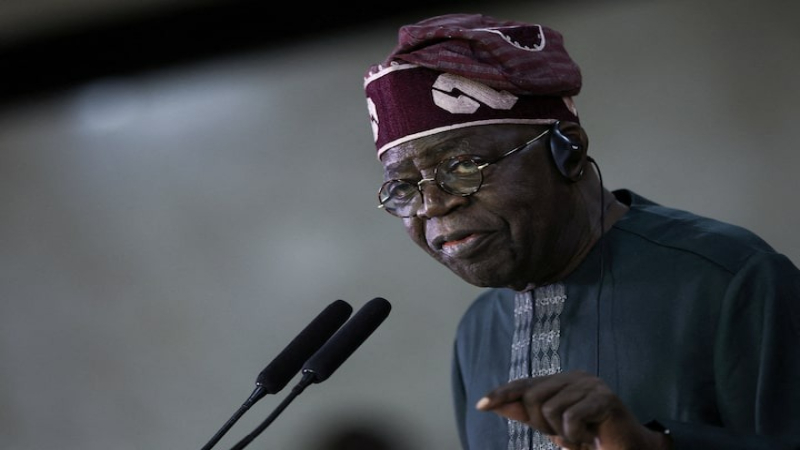
Nigeria’s President Bola Tinubu and German Chancellor Friedrich Merz have discussed strengthening bilateral cooperation on energy, security and infrastructure during a direct phone conversation, according to Nigeria’s presidency.
During the nine minute call, the two leaders addressed efforts to revive a long delayed electricity project involving Siemens AG. The initiative, originally agreed in 2019, aimed to overhaul Nigeria’s power transmission and distribution network to significantly raise reliable electricity output.
Under the original framework, the plan targeted 7,000 megawatts of dependable power supply in its initial phase and 11,000 megawatts in a subsequent phase. However, the project has faced regulatory, logistical and financing obstacles that slowed implementation. Nigeria continues to grapple with chronic power shortages that constrain industrial growth and economic productivity.
According to the statement released Tinubu’s office, the president emphasised Nigeria’s need for technical and financial support to upgrade its transmission infrastructure. In response, Merz reportedly reaffirmed Germany’s commitment to seeing the project through, with Siemens expected to carry out the works.
Financing discussions also featured prominently. Deutsche Bank AG was cited as ready to support funding arrangements for the electricity programme, signalling potential renewed momentum behind the stalled agreement.
Beyond energy, security cooperation was another focal point. Tinubu requested Germany’s assistance in supplying used helicopters to enhance reconnaissance and intelligence capabilities, particularly as insecurity in the Sahel region continues to spill southward toward coastal West Africa. Nigeria has faced persistent security challenges ranging from insurgent activity in the northeast to banditry and kidnappings in other regions.
The two leaders also explored expanding collaboration in rail transport, creative industries and skills development. Strengthening vocational training and technical education remains central to Nigeria’s efforts to diversify its economy and improve employment outcomes for its growing population.
Diplomatic ties between Nigeria and Germany span more than six decades, with cooperation covering trade, energy, manufacturing and cultural exchange. Germany remains one of Nigeria’s key European partners, particularly in engineering and industrial development.
The renewed engagement comes at a time when Nigeria is seeking to stabilise its power sector as part of broader economic reforms. Reliable electricity supply is widely viewed as critical for unlocking manufacturing potential, supporting small and medium enterprises and attracting foreign investment.
While no specific timelines were disclosed following the call, the discussions suggest a push to reinvigorate projects that had stalled in recent years. For both Abuja and Berlin, closer collaboration on infrastructure and security aligns with long term strategic interests in regional stability and economic development.