Introduction
Poland has recently received a significant influx of EU funds aimed at boosting its post-pandemic recovery and supporting economic growth. While many view this as a much-needed lifeline, others question whether these funds will address the long-term structural challenges facing Poland’s economy or simply provide temporary relief. As the nation navigates a complex economic landscape, EU aid is a crucial tool if used wisely.
Details of the EU Funding Package
The European Union has approved a €12 billion funding package for Poland, designed to stimulate key sectors such as infrastructure, green energy, and innovation. The funds are part of the EU’s broader strategy to aid member states in their recovery from the economic impacts of the COVID-19 pandemic.
Poland will use the funds for:
- Infrastructure Projects: Expanding transport networks, improving digital infrastructure, and modernizing urban areas.
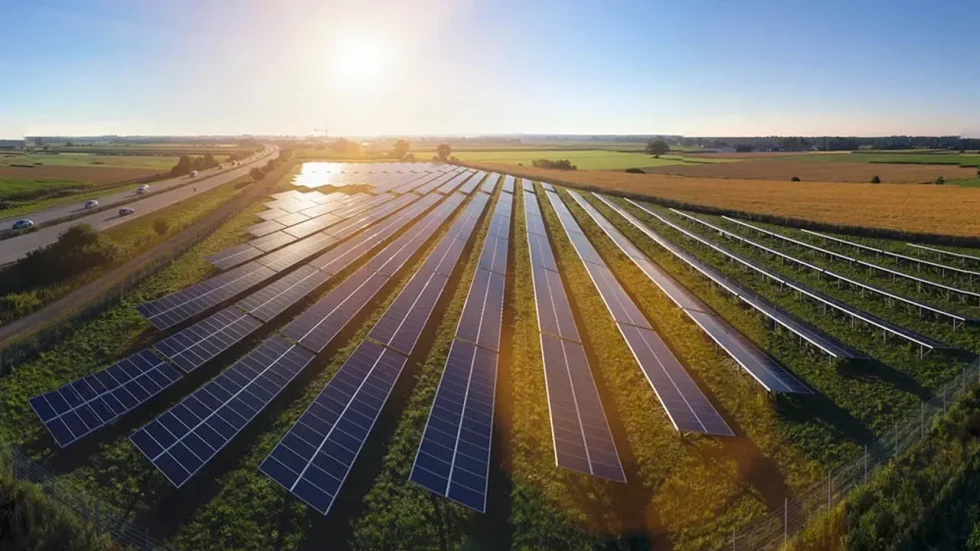
- Green Energy Transition: Supporting renewable energy initiatives, particularly in wind and solar power.
- Technological Innovation: Encouraging startups and tech companies to develop cutting-edge solutions in AI, robotics, and digital transformation.
The government has promised that these investments will create jobs, modernize critical infrastructure, and support long-term sustainable growth.
Economic Impact and Growth Potential
Poland’s economy has grown significantly over the past two decades, but it still faces challenges in areas like income inequality, labor market inefficiencies, and reliance on coal. EU funds offer a unique opportunity to address these issues diversifying the economy and investing in future-oriented industries like technology and renewable energy.
Experts believe that Poland’s economic growth could be significantly bolstered if the funds are used strategically, focusing on long-term infrastructure projects and innovation. For example, investments in high-speed internet and 5G networks could make Poland a leader in digital services in Central and Eastern Europe.
The Green Energy Transition
A large portion of the EU funds will go toward Poland’s energy transition. Poland is one of the EU’s largest coal-dependent countries, and there are strong environmental and economic incentives to shift towards renewable energy.
The transition to greener energy sources is expected to create jobs, reduce pollution, and lower Poland’s carbon footprint. However, experts warn that the shift away from coal must be managed carefully to avoid economic dislocation, particularly in coal mining regions.
Poland’s government has committed to supporting coal workers through retraining programs, but the success of these initiatives will depend on the pace and scale of the green transition.
Criticisms and Concerns
Despite the optimism surrounding EU funds, there are concerns about how effectively they will be used. Critics argue that:
- Short-Term Solutions: Some worry that the focus on immediate infrastructure projects could lead to short-term gains without addressing deeper structural issues such as labor market reform and regional inequality.
- Political Influence: There is also concern that EU funds may be used to support politically motivated projects, benefiting certain regions or industries more than others.
- Bureaucratic Delays: The process of allocating and distributing EU funds has been criticized for being slow and inefficient. Delays in approval and execution could prevent funds from being used effectively.
Some analysts suggest that Poland should take a more targeted approach, focusing on high-impact areas like education, innovation, and reducing its reliance on fossil fuels.
The Role of Poland’s Private Sector
For the funds to have the maximum impact, private sector involvement is crucial. While government-led initiatives are important, Poland’s private sector needs to play a leading role in driving innovation and economic diversification.
Polish entrepreneurs and tech startups are well-positioned to benefit from EU funding if they can access resources for growth and scaling. The government has pledged to create an environment conducive to business development, but the effectiveness of these efforts will depend on how well they align with market needs and private sector aspirations.
Future Outlook
The next few years will be pivotal for Poland as it navigates the challenges of post-pandemic recovery and economic transformation. EU funds can play a major role in accelerating the country’s growth if used strategically, but Poland must ensure that these funds are directed toward long-term, sustainable initiatives rather than short-term fixes.
Economic diversification, a green energy transition, and the development of cutting-edge industries like AI and digital services are essential for Poland’s future competitiveness on the European stage.
Conclusion
Poland’s €12 billion EU funding package provides an important opportunity to modernize the country’s economy, address long-standing issues, and pave the way for future growth. While the funds offer much-needed relief, the true test will be whether Poland can leverage these resources to create lasting economic change. Only time will tell if this is a strategic investment or just another round of EU funds with temporary effects.