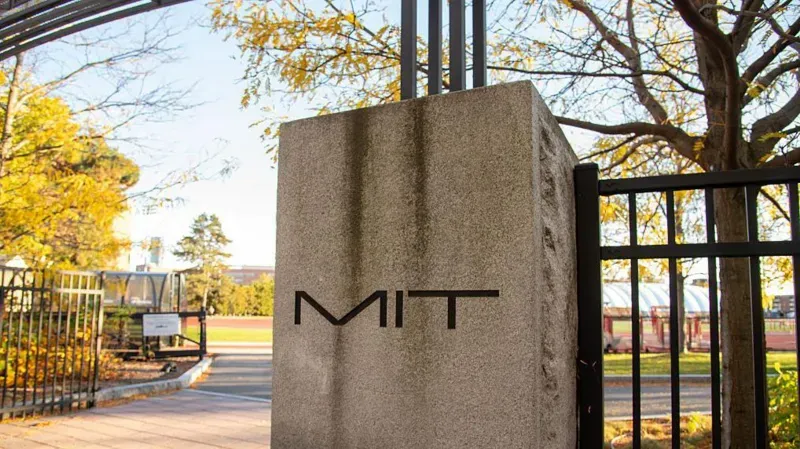
Police have intensified efforts to locate the suspect responsible for the killing of a Massachusetts Institute of Technology professor, as the investigation enters a critical phase. Authorities say new leads and evidence have prompted a broader and more coordinated search. The case has drawn international attention due to the victim’s academic profile and the circumstances surrounding the crime.
Law enforcement officials confirmed that multiple units are now involved in the operation. This includes local police, state authorities, and federal partners working together to track the suspect. Investigators are focusing on narrowing the timeline and movements leading up to the incident.
The professor was found dead earlier this week, triggering an immediate response from emergency services. Initial findings suggest the killing was targeted, though police have not publicly confirmed a motive. Officials have stressed that the investigation remains active and sensitive.
Authorities are reviewing surveillance footage from nearlocations. Digital evidence, including phone data and transaction records, is also being analyzed. These efforts are aimed at reconstructing the suspect’s route before and after the attack.
The case has raised concerns within academic and research communities. Universities across the region have issued safety advisories to staff and students. While police believe the incident was isolated, heightened awareness has been encouraged.
Investigators are also conducting interviews with colleagues, neighbors, and recent contacts of the victim. These conversations are intended to identify potential conflicts or unusual interactions. Police have emphasized that cooperation from the public is proving valuable.
Officials confirmed that the suspect remains at large. Descriptions have been circulated internally, though authorities are limiting public details to protect the integrity of the case. Tips from the public are being reviewed as they come in.
The killing has sparked renewed discussion around personal security for public figures in academia. Professors often work across borders and collaborate internationally, which can expose them to unique risks. Experts note that high-profile research roles can sometimes attract unwanted attention.
Political leaders and academic institutions have expressed condolences to the victim’s family. Statements highlighted the professor’s contributions to science and education. The loss has been described as both personal and professional for the global research community.
Police presence has increased in areas connected to the investigation. Patrols have been expanded as a precautionary measure. Authorities say this is meant to reassure residents rather than signal an immediate threat.
Forensic teams continue to process evidence collected at the scene. Analysts are working to confirm timelines and establish key facts. Officials say this stage of the investigation is crucial for identifying the suspect’s next steps.
The case has also drawn attention from international media, reflecting the global nature of academic networks. Institutions in Europe, including Portugal, have followed developments closely due to collaborative ties. The incident underscores how local crimes can have global resonance.
Law enforcement officials have reiterated their commitment to a thorough investigation. They say all leads are being pursued, regardless of complexity. Progress updates will be shared when appropriate.
Authorities urge anyone with relevant information to come forward. Even small details could prove significant in advancing the case. Police stress that public cooperation remains a critical component of the search.
As the investigation continues, the focus remains on accountability and justice. The intensified search reflects the seriousness with which authorities are treating the crime. For now, the case stands as a stark reminder of the vulnerabilities faced even those in respected professional roles.