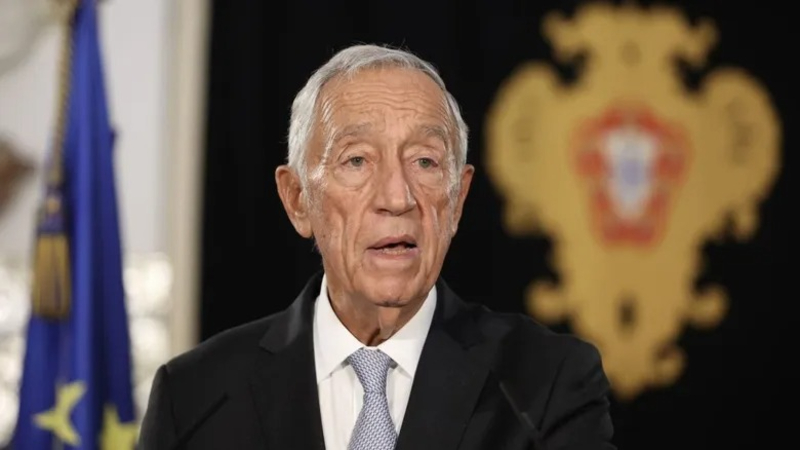
Portugal used a formal state visit in Lisbon to send a clear signal of alignment with Estonia, as the two countries publicly reinforced their political and security partnership at a time of continued tension across Europe. Speaking at the Belém Palace alongside Alar Karis, Portuguese President Marcelo Rebelo de Sousa emphasized unity between the two nations, framing the relationship as firm and enduring rather than symbolic. His remarks were delivered against the backdrop of Europe’s prolonged security crisis, which he described as a direct challenge to peace and stability on the continent. highlighting the illegal violation of Ukraine’s sovereignty, Portugal positioned its stance as consistent and unambiguous, aligning itself with broader European and transatlantic commitments. The language used was deliberate, aimed not only at a domestic audience but also at international partners watching how smaller and mid sized EU states coordinate their responses in a fractured geopolitical environment.
Security cooperation featured prominently in the discussions, with Portugal underlining its active military role alongside Estonia through existing NATO operations. Portuguese forces are currently involved in air policing missions linked to Baltic security, a contribution Lisbon views as practical proof of solidarity rather than rhetorical support. Beyond traditional defense, both sides pointed to collaboration in cyber defence as an increasingly important area of shared concern, reflecting how modern security extends beyond physical borders. The visit was framed as an opportunity to deepen ties across multiple fronts, including diplomacy, defense, economics, science, and education. Officials stressed that the relationship is evolving rather than static, shaped shared values and mutual interests within the European Union and the Atlantic alliance. The message was that cooperation is no longer optional but essential in an era where political and military pressures are closely intertwined.
The symbolism of the visit was reinforced recent diplomatic history between the two presidents, who have met previously within European forums that bring together heads of state without executive power. Those settings have allowed for quieter coordination, but the Lisbon visit moved that dialogue into public view. welcoming the Estonian president with military honors and explicit language of unity, Portugal signaled that its foreign policy priorities remain anchored in collective security and European cohesion. For Estonia, the visit underscored the value of visible support from southern European partners, while for Portugal it reinforced a role as a consistent contributor to shared defense efforts. In a political climate marked uncertainty and shifting alliances, the encounter served as a reminder that unity between smaller states can carry strategic weight well beyond their borders.