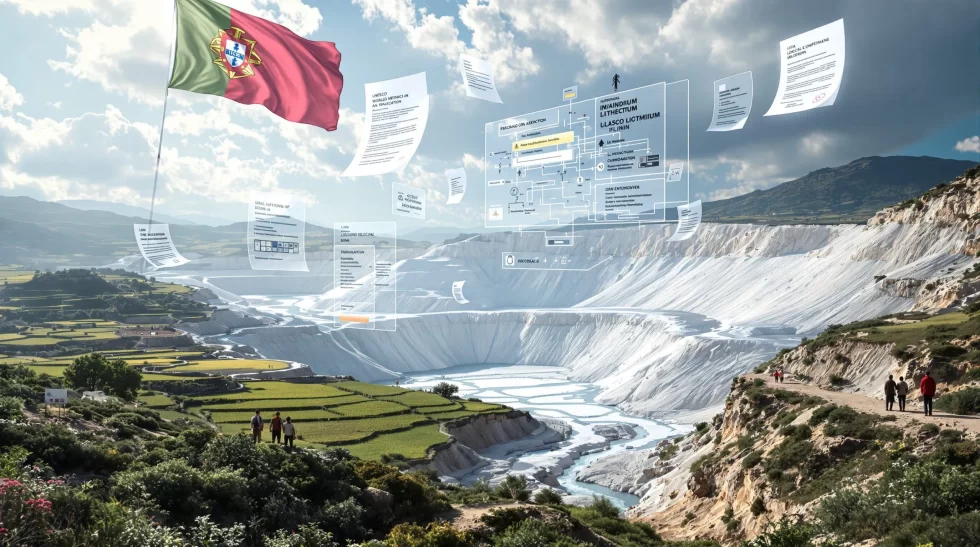
Portugal has surprised both citizens and global observers announcing its National Siesta Mining Initiative, a government backed project that aims to convert the nation’s midday rest tradition into measurable economic value. Officials claim the program blends cultural preservation with experimental market thinking, though many residents are still unsure whether the announcement is a bold innovation or a very elaborate joke. The proposal arrives at a moment when countries across Europe are exploring unconventional policies to boost productivity while improving overall well being, and the idea immediately sparked a lively debate.
Supporters argue that Portugal’s long standing afternoon rest culture has always been an underappreciated national asset. They believe that monetizing downtime could inspire healthier work habits and position the country as a leader in creative economic modelling. Critics counter that the proposal lacks clarity and risks turning a beloved tradition into an overly complex administrative program. Regardless of the mixed reactions, the announcement has successfully captured the public’s imagination and created a wave of curiosity across the continent.
How Siesta Mining Is Supposed To Work
Government officials describe Siesta Mining as a data driven system designed to measure the collective recharge effect created when large groups of citizens nap during peak daylight hours. According to the proposal, rest quality data would be anonymously collected through voluntary wearable devices, which would then be fed into a central calculation model. The output would produce something the ministry refers to as Rest Energy Credits, a unit that attempts to quantify the productivity benefit generated after napping. These credits would not be traded like currency but instead used internally for assessing national well being indicators.
Proponents say the goal is not to pressure people into resting but to acknowledge the value of time spent recharging. They argue that most economic systems only reward work performed, while the benefits of recovery periods remain invisible. highlighting rest as a meaningful contributor to long term performance, the initiative could shift national attitudes about work life balance. Officials also insist that all data collection would be optional and privacy protected to ensure full public trust.
Reactions From Businesses And Workers
Portuguese businesses have responded with cautious curiosity. Some hospitality and tourism leaders applaud the idea, believing it aligns with the slow living appeal that draws millions of visitors each year. They imagine hotels offering certified siesta zones or companies developing new rest friendly services. Other sectors, particularly those operating on strict schedules, worry that formalizing rest hours could complicate staffing and operations even further.
Workers themselves appear divided. Younger employees often see value in policies that reinforce personal well being, while some older workers fear unnecessary bureaucracy. Many say they already enjoy a natural midday break but are unsure how they feel about turning it into a measurable indicator. Still, there is a general sense of national pride at the thought of Portugal pioneering something so uniquely tied to its cultural rhythm.
Cultural Significance Behind The Idea
At its core, the Siesta Mining Initiative taps into a tradition that has shaped daily life in warm climates for centuries. The mid afternoon pause has always been a practical response to heat, a social reset, and a moment of connection among families and communities. Integrating this custom into a modern policy framework highlights Portugal’s willingness to embrace its heritage while adapting to contemporary challenges. Many cultural commentators argue that even if the policy evolves or changes, the conversation alone encourages deeper appreciation for the balanced lifestyle the siesta represents.
Could This Influence Other Countries
Although the idea may seem whimsical, experts say unusual policy prototypes often inspire bigger shifts elsewhere. If Portugal’s experiment successfully demonstrates improved well being or measurable workplace benefits, other Mediterranean nations may watch closely. Some analysts believe it could spark broader conversations about integrating rest, mental health, and cultural identity into economic models. Others maintain that Siesta Mining will remain a uniquely Portuguese phenomenon that reflects the country’s creative spirit more than a universal strategy.
Conclusion
Portugal’s National Siesta Mining Initiative has introduced a mix of curiosity, humor, and genuine policy discussion to the public sphere. Whether the program becomes a long term framework or simply sparks valuable debate, it highlights the importance of rest and cultural traditions in shaping modern society. The proposal encourages a fresh look at how countries value well being and reminds citizens that innovation often begins with ideas that seem unconventional at first glance.