






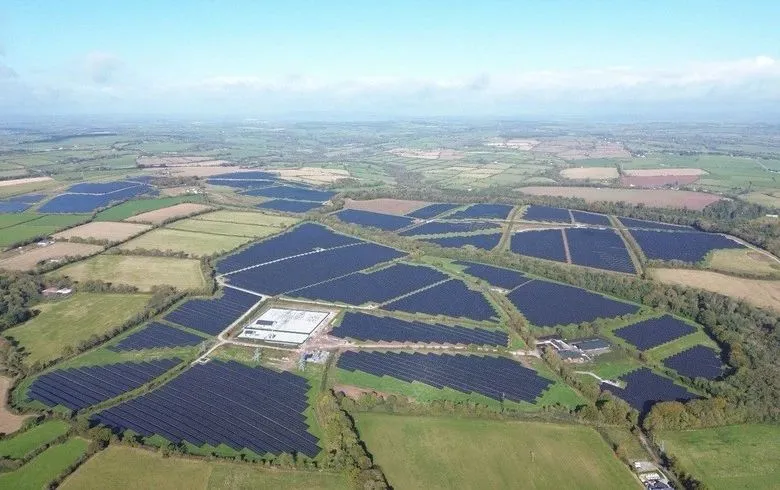
Portugal has unveiled ambitious new renewable energy targets for 2030 as part of its continued commitment to building a sustainable and climate-resilient future. The government is strengthening its national energy strategy to reduce carbon emissions, expand clean energy production, and align with broader European climate goals. The updated roadmap reflects Portugal’s determination to position itself as a leader in renewable innovation across the continent.
These new targets come at a time when energy security, environmental protection, and economic modernization are shaping national policy discussions. With global demand for clean energy increasing, Portugal aims to accelerate its transition to renewable power sources while maintaining stable energy prices and supporting local communities. The 2030 plan introduces specific measures to ensure long-term growth and environmental responsibility.
Solar and wind energy become central pillars of the 2030 strategy
The most important component of the new renewable energy targets is the expansion of solar and wind power generation across the country. Portugal aims to significantly increase the capacity of both onshore and offshore wind farms while accelerating the installation of large-scale solar parks. These expansions will help the country reinforce its energy independence and reduce reliance on fossil fuel imports.
Officials say solar energy will see one of the fastest growth rates, supported favorable climate conditions and increased private sector investment. Wind energy will also play a vital role, particularly through new offshore projects expected to come online before 2030. focusing on these high-yield renewable sources, Portugal is setting the foundation for a cleaner and more stable energy system.
Green hydrogen production receives stronger government backing
Green hydrogen is emerging as a critical element of Portugal’s future energy landscape. The government is expanding support for hydrogen projects that use renewable energy to produce a clean, zero-emission fuel. These projects are expected to create new industrial opportunities, attract international investment, and support the decarbonization of heavy transport and manufacturing.
Several hydrogen hubs are already under development in coastal regions where renewable energy resources are strongest. Portugal plans to build dedicated pipelines, storage facilities, and distribution networks to support both domestic use and international export. With this strategic focus, Portugal aims to become a major player in Europe’s green hydrogen economy.
Updated regulations boost private sector investment
To achieve the 2030 targets, Portugal is introducing new regulatory frameworks designed to accelerate private sector participation. Faster licensing processes, clearer environmental guidelines, and financial incentives will encourage companies to invest in renewable infrastructure. These updates also aim to reduce administrative delays that have historically slowed project development.
Investors are expected to benefit from stable long-term policies that provide greater confidence in Portugal’s renewable sector. removing barriers to entry and improving transparency, the government hopes to attract more domestic and international companies to the country’s growing clean energy market. These regulatory changes are critical to meeting the ambitious 2030 benchmarks.
Energy storage and grid modernization support long-term reliability
With renewable energy production increasing, Portugal is expanding its focus on energy storage solutions and grid modernization. These upgrades will ensure the stability of the national grid even during periods of high demand or variable renewable output. New battery storage facilities, upgraded transmission lines, and smarter distribution systems will help balance energy flow across regions.
Officials say energy storage is essential for maintaining supply during cloudy or windless periods when renewable production dips. strengthening the grid’s resilience, Portugal aims to ensure consistent power delivery to households, businesses, and industrial centers. These improvements also support the country’s long-term energy security goals.
Community-driven renewable projects gain momentum
Portugal is also encouraging community-based renewable energy initiatives that allow residents and local groups to participate in clean energy production. These programs enable neighborhoods to establish shared solar panels, microgrids, and cooperative energy systems. Local communities benefit from lower energy costs while contributing to national sustainability efforts.
These community-driven projects help diversify renewable energy sources and foster a sense of shared responsibility for environmental progress. They also support rural development offering new economic opportunities in regions with strong natural resources. As more communities adopt renewables, Portugal’s transition toward clean energy becomes increasingly inclusive and widely supported.
Conclusion
Portugal’s new renewable energy targets for 2030 represent a major milestone in the country’s long-term sustainability strategy. With expanded solar and wind production, green hydrogen development, updated regulations, and modernized energy infrastructure, Portugal is strengthening its position as a leader in clean energy. The 2030 plan sets the stage for a more resilient and environmentally responsible future for the nation.


