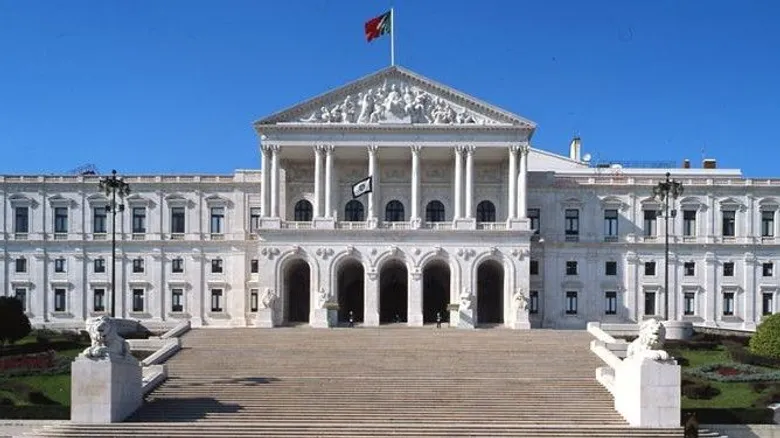
Portugal’s parliament has approved a resolution supporting the progressive increase of workers’ income, signalling renewed political momentum behind wage growth and social dialogue as the country balances economic stability with rising cost of living pressures.
The decision was taken the Assembly of the Republic, which endorsed a draft resolution proposed the Social Democratic Party (PSD). The measure is aimed at strengthening discussions within Social Concertation, the institutional framework that brings together government, employers and trade unions to negotiate labour and economic policy.
Under the resolution, parliament calls for deeper engagement between social partners to support a gradual and sustained rise in workers’ income, rather than abrupt or unilateral wage adjustments. Lawmakers backing the proposal argued that income growth should be aligned with productivity, economic performance and long term competitiveness, while ensuring that workers share more fairly in economic gains.
The approval comes at a time when inflation has eased compared with recent peaks but continues to weigh heavily on household budgets. Many Portuguese workers have seen purchasing power eroded over the past two years, despite nominal wage increases. Housing costs, energy prices and food inflation have remained persistent concerns, particularly for lower and middle income households.
Supporters of the resolution say Social Concertation is the appropriate venue to address these challenges. reinforcing dialogue among unions, business groups and the state, policymakers hope to avoid social conflict while building consensus around wage policies that can be sustained over time. The resolution does not impose immediate pay rises but seeks to frame income growth as a shared national objective.
The PSD said the initiative reflects the need for predictable and negotiated solutions. Party representatives stressed that strengthening social dialogue can help prevent fragmented approaches and ensure that income policies contribute to economic stability rather than undermining employment or investment.
Trade unions have broadly welcomed the emphasis on income growth, though some labour leaders cautioned that dialogue must translate into concrete outcomes. Union representatives argue that years of wage restraint have left many workers struggling and that gradualism should not become an excuse for inaction.
Business associations reacted more cautiously. Employer groups acknowledged the importance of maintaining social cohesion but warned that companies, especially small and medium sized firms, face rising costs and tight margins. They stressed that wage growth must be accompanied measures that boost productivity, reduce bureaucracy and support investment.
The government has positioned itself as a facilitator within the Social Concertation framework, aiming to balance social demands with fiscal responsibility. Officials note that Portugal’s economic recovery has been uneven, with strong performance in tourism and exports offset slower growth in other sectors. Ensuring that income increases do not fuel inflation or weaken competitiveness remains a key concern.
Analysts say the parliamentary vote carries symbolic weight. While the resolution is not legally binding, it sends a clear political signal ahead of future negotiations on wages, labour law and social policy. It also reflects a broader European trend toward strengthening social dialogue as economies adjust to post pandemic realities and demographic pressures.
The focus on progressive income growth suggests an attempt to move beyond short term fixes. embedding wage discussions in structured dialogue, policymakers hope to create conditions for steady improvement in living standards while preserving economic resilience.
As discussions within Social Concertation intensify in the coming months, attention will turn to whether consensus can be reached on concrete measures. For Portuguese workers, the parliamentary approval raises expectations that income growth will become a central pillar of economic policy rather than a secondary consideration.