A crucial vote scheduled amid urgency
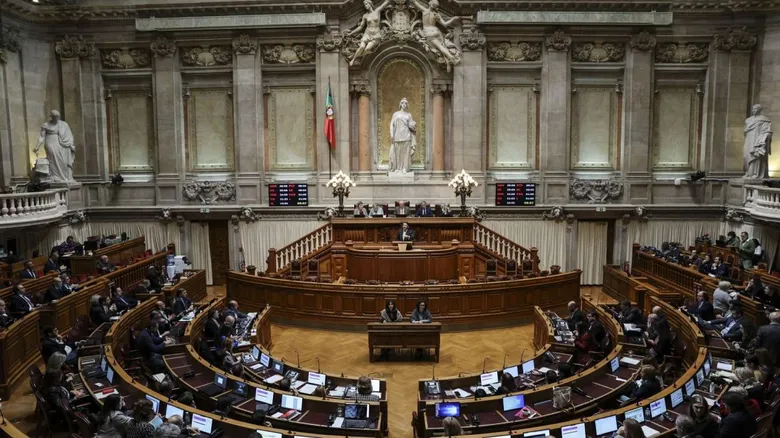
Portugal is preparing for a decisive parliamentary vote on a new housing focused tax package proposed the Government of Montenegro. The discussion and vote have been scheduled for Friday, January ninth, two thousand twenty six, following a request for urgency the government. The compressed timeline leaves little space for extended debate between political parties, signaling the executive’s determination to move swiftly on reforms it views as essential to addressing housing shortages.
The package will be debated and voted on in the Assembly of the Republic on the same day, an approach that departs from the usual multi stage legislative process. Tax measures fall under parliamentary jurisdiction, making approval lawmakers a legal requirement before any changes can take effect in Portugal.
What the housing tax package includes
At the center of the proposal is a reduction of IVA to six percent on house construction, a measure designed to lower development costs and stimulate new residential supply. The package also includes the simplification of urban licensing procedures, which have long been criticized for delaying projects and discouraging investment.
Beyond construction related measures, the tax reform package introduces broader adjustments across IRS, IVA, and IMT. Together, these changes aim to encourage more property owners to place homes on the market for sale or rent, easing pressure in a housing market marked high prices and limited availability.
Government rationale behind the reforms
The Democratic Alliance government presented the package on December second, framing it as an ambitious response to persistent housing affordability challenges. Officials argue that high taxes and complex licensing rules have constrained supply, contributing to rising prices and rental shortages, particularly in urban areas.
lowering tax burdens and reducing administrative barriers, the government believes developers and private owners will be more willing to invest in housing projects and release properties into the market. The urgency request reflects concerns that delays could weaken the impact of the measures at a time when housing has become a central political and social issue.
Limited debate raises political concerns
The decision to request urgency has sparked criticism from opposition parties, who argue that the lack of detailed debate limits democratic scrutiny. Under normal circumstances, tax legislation would be discussed in detail, allowing parties to propose amendments and adjustments.
According to statements cited Expresso, Marina Gonçalves, former Minister of Housing and current Socialist Party member of parliament, explained that without the urgency request, the package would have followed a more extended process. This would have opened space for negotiation and modification, something now effectively ruled out.
Parliament’s role and institutional balance
The Assembly of the Republic plays a critical role in overseeing tax policy, acting as a counterbalance to executive power. While urgency procedures are legally permissible, their use in complex tax reforms often raises questions about transparency and long term policy quality.
Supporters of the government’s approach argue that the housing crisis justifies accelerated decision making. Critics counter that rushed legislation risks unintended consequences, particularly in areas as complex as taxation, urban planning, and real estate markets.
Potential impact on the housing market
If approved, the tax package could have a significant effect on housing dynamics. Lower construction taxes may reduce final sale prices over time, while streamlined licensing could shorten project timelines. Together, these changes could increase supply, especially in areas where development has stalled.
However, economists note that results may not be immediate. Construction cycles are long, and broader market conditions such as financing costs and labor availability will continue to influence outcomes. The reforms are seen as a structural step rather than a quick fix.
A defining moment for housing policy
The January ninth vote represents a defining moment for Portugal’s housing policy direction. Approval would signal strong parliamentary backing for a supply driven approach centered on tax incentives and deregulation. Rejection or significant opposition would highlight deep political divisions over how best to address housing affordability.
As lawmakers prepare to vote, the debate underscores the tension between urgency and deliberation in policymaking. Whatever the outcome, the decision is likely to shape Portugal’s housing landscape and tax framework for years to come.