






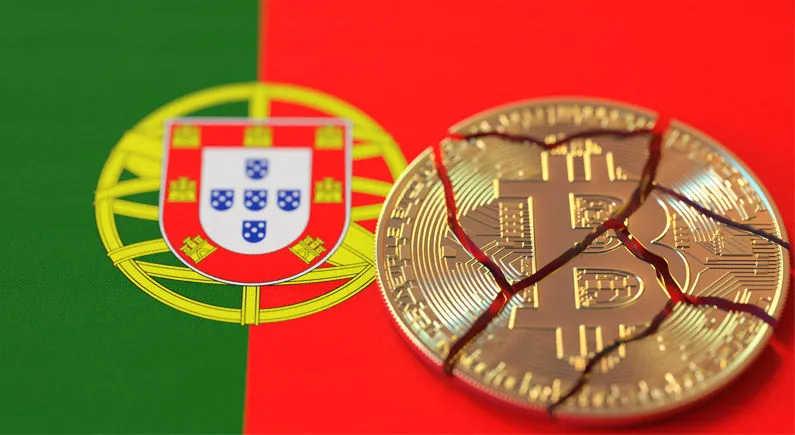
Portugal is introducing new crypto tax rules for 2025, marking a significant update to its digital asset regulatory framework. The changes aim to improve transparency, modernize reporting requirements, and ensure tax fairness as crypto adoption continues to grow across the country. While the government is tightening certain rules, the overall framework remains designed to support innovation and maintain Portugal’s reputation as one of Europe’s most forward-looking crypto environments.
These updates reflect the country’s effort to balance investor protection with the needs of a rapidly expanding digital economy. As more Portuguese residents engage with crypto trading, decentralized finance, and blockchain-based applications, policymakers are refining regulations to ensure long-term stability. The new measures align closely with incoming EU guidelines, helping Portugal maintain regulatory consistency across the region.
Updated tax rules introduce clearer reporting standards for individuals and companies
The most important part of Portugal’s revised framework is the introduction of clearer and more structured tax reporting rules for both individuals and businesses involved in crypto activities. The government now requires residents to declare crypto gains through a more detailed reporting format, reducing ambiguity and improving compliance. These rules apply to trading profits, staking rewards, and income earned through crypto-related services.
Businesses operating in the crypto sector will also follow expanded reporting procedures, ensuring greater transparency in transactions, financial flows, and operational income. Authorities say these measures will help reduce tax avoidance, strengthen financial oversight, and create a fair environment for all participants. Despite stricter reporting obligations, the system remains competitive compared to other EU nations with heavier regulatory burdens.
Long-term holders remain supported through favorable tax treatment
One of the standout features of Portugal’s updated rules is the continued support for long-term crypto holders. Assets held for extended periods still benefit from favorable tax treatment, encouraging long-term investment rather than short-term speculation. Officials say this approach aligns with the country’s innovation strategy, which emphasizes stable and sustainable growth in digital markets.
This long-term focus differentiates Portugal from several European countries where crypto gains face high tax rates regardless of the holding period. maintaining incentives for long-term investors, Portugal remains an appealing destination for blockchain entrepreneurs, developers, and technology-focused businesses considering relocation.
Staking, mining, and DeFi rewards receive new classification
Another major change involves the classification of income generated through staking, mining, and decentralized finance platforms. Portugal is introducing clearer categories for these earnings, treating them similarly to traditional investment income. This shift ensures more transparency for tax authorities while giving investors predictable tax treatment for their digital rewards.
Staking rewards will now be taxed at a standardized rate, while mining income is categorized under commercial activity for individuals who operate mining services on a consistent basis. DeFi earnings, including yield farming or liquidity provision, must also be reported using updated guidelines. clarifying how these activities are taxed, the government aims to reduce confusion and simplify compliance for investors.
Businesses face new compliance standards but retain innovation freedom
Companies working within Portugal’s crypto ecosystem will see new compliance standards introduced in 2025. These include enhanced record-keeping obligations, transaction transparency requirements, and mandatory reporting for high-volume crypto operations. The government believes these measures will strengthen oversight without limiting business innovation.
Startup founders and industry leaders have responded positively to the balanced approach, highlighting that Portugal continues to maintain one of Europe’s most entrepreneurship-friendly regulatory environments. The updated rules still allow companies to experiment with blockchain technology, build decentralized applications, and offer digital asset services without excessive administrative pressure.
Portugal aligns its rules with EU-wide MiCA framework
Portugal’s updated crypto tax rules are closely aligned with the EU’s Markets in Crypto-Assets (MiCA) regulatory framework, which aims to create a unified digital asset market across member states. updating its tax rules now, Portugal is ensuring a smooth transition as MiCA requirements begin rolling out across Europe.
This alignment helps Portuguese companies stay competitive in the broader EU market and reduces regulatory fragmentation for businesses operating internationally. Investors also benefit from consistent protections and clearer expectations when using exchanges, wallets, or blockchain platforms regulated within the European Union.
Conclusion
Portugal’s tightened crypto tax rules introduce clearer reporting requirements and stronger oversight while maintaining an innovation-friendly environment. supporting long-term holders, clarifying income categories, and aligning with EU standards, Portugal is shaping a balanced framework that encourages responsible growth in the digital asset economy. As 2025 unfolds, the country’s refined approach is expected to strengthen its position as a leading European hub for blockchain and crypto innovation.


