Introduction
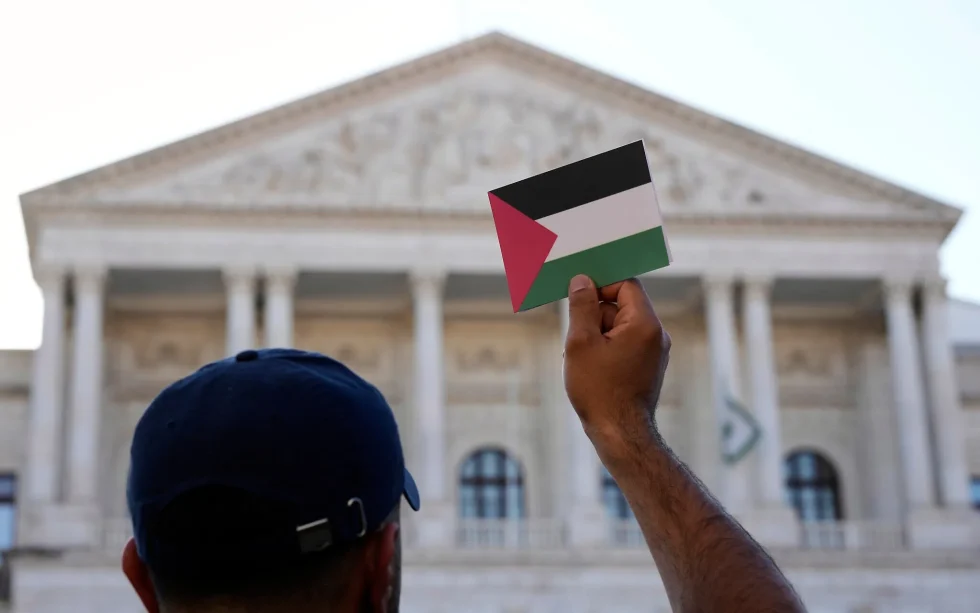
The Portuguese government has confirmed that it will formally recognise the State of Palestine, marking a significant foreign policy shift that places Portugal among a growing list of European countries pushing for greater international legitimacy for Palestinian statehood. Officials argue that the decision reflects Portugal’s commitment to peace, diplomacy, and the two-state solution, even as the move is expected to draw criticism from Israel and its allies.
Government announcement
Foreign Minister João Gomes Cravinho announced the decision following a cabinet meeting, stressing that recognition is not a symbolic gesture but a concrete step intended to strengthen peace efforts in the Middle East. He added that Portugal will establish formal diplomatic channels with the Palestinian Authority, including upgrading its representation offices to full embassies. Cravinho emphasized that Portugal’s decision aligns with international law and the longstanding United Nations framework advocating two states living side side in peace and security.
Reactions from abroad
The recognition has already sparked varied international responses. Palestinian leaders welcomed the move as an important demonstration of solidarity at a time when the peace process remains stalled. The decision is expected to increase pressure on other EU states that have not yet taken similar action. Israel, however, condemned the announcement, calling it premature and counterproductive. Diplomats in Brussels are closely watching whether Portugal’s decision will embolden other European nations to follow suit, potentially reshaping the EU’s collective stance on the conflict.
Domestic response
At home, the decision has divided opinion among political parties. The ruling Socialist Party praised the recognition as a bold and moral step aligned with Portugal’s diplomatic tradition of supporting decolonization and self-determination. Opposition parties, particularly on the right, accused the government of making a symbolic foreign policy gesture at a time when domestic issues like inflation, housing shortages, and unemployment require more urgent attention. Civil society groups, however, applauded the move, framing it as a reaffirmation of Portugal’s role as a defender of human rights.
Analysis of impact
Portugal’s recognition adds to the momentum created similar announcements across Europe, with Spain, Ireland, and several Nordic countries having already recognized Palestine. Analysts note that while recognition itself may not directly advance peace talks, it increases diplomatic visibility for the Palestinian cause and puts additional pressure on Israel to return to negotiations. For Portugal, the move could strengthen ties with Arab nations, boost trade opportunities in the Middle East, and enhance its reputation within international diplomacy circles. However, critics warn it may also complicate bilateral relations with Israel and its closest allies, including the United States.
Conclusion
Portugal’s recognition of Palestine is a landmark diplomatic move that underscores its commitment to international law, self-determination, and the two-state solution. While the immediate impact may be largely symbolic, it positions Portugal within a growing European trend of challenging the status quo in the Israeli-Palestinian conflict. Whether this step contributes to renewed peace efforts or merely heightens geopolitical tensions will depend on how other nations and key actors respond in the months ahead.