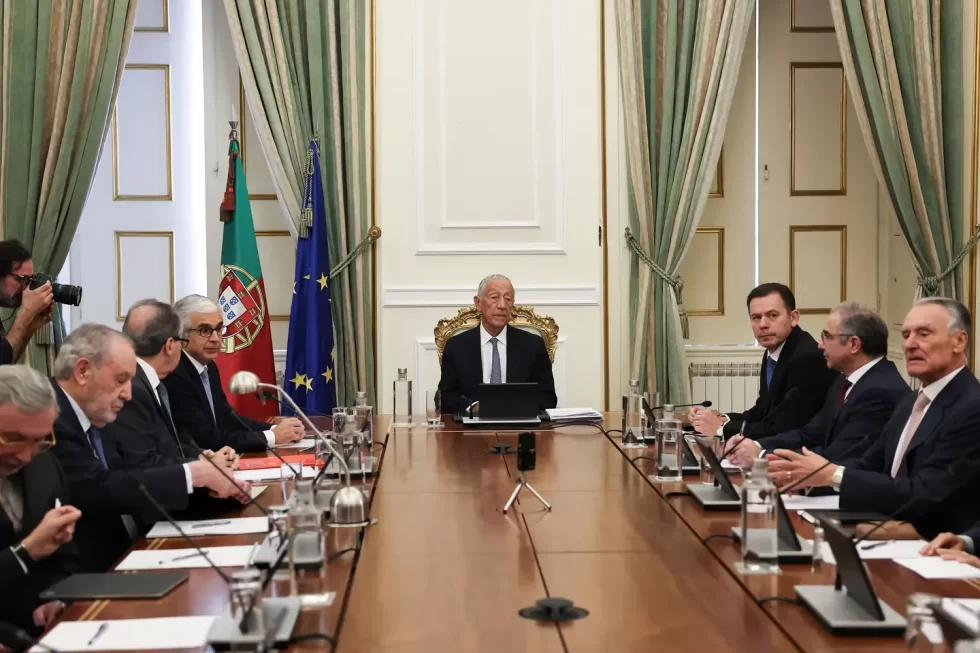
Portugal’s top constitutional advisory body, the Council of State, is meeting at Belém Palace in Lisbon to analyse the international situation with a particular focus on the conflicts in Ukraine and recent developments in Venezuela. The meeting was convened President Marcelo Rebelo de Sousa and reflects growing concern in Lisbon over major geopolitical shifts and their implications for Portuguese foreign policy.
The gathering comes against the backdrop of an ongoing presidential election campaign, with voting scheduled for January 18, and follows high-profile discussions Portuguese leaders on security and diplomatic issues. Portugal has recently reaffirmed its commitment to supporting Ukraine, signing joint statements and contributing to international efforts aimed at strengthening security guarantees and peace prospects in the face of Russia’s invasion.
Ukraine remains a central point of focus for Lisbon due to its impact on European security, energy stability and the rules-based international order. Portuguese officials have participated in international coalitions backing Ukraine, providing support for defence capabilities and humanitarian aid, and signalling alignment with broader European Union and NATO positions.
Venezuela’s situation was added to the agenda in light of recent dramatic events, including the controversial foreign intervention and capture of President Nicolás Maduro. Portuguese authorities have been closely monitoring developments through diplomatic channels, including the Portuguese embassy in Caracas and coordination with EU partners, emphasising the importance of international law, respect for sovereignty and the safety of Portuguese citizens abroad.
This session of the Council of State is expected to be one of the final meetings during President Marcelo Rebelo de Sousa’s current term and offers senior political figures an opportunity to weigh in on foreign policy priorities facing Lisbon. Discussions will likely touch on Europe’s strategic posture, potential military commitments, financial support mechanisms, and how Portugal positions itself amid shifting geopolitical landscapes in both Europe and South America.