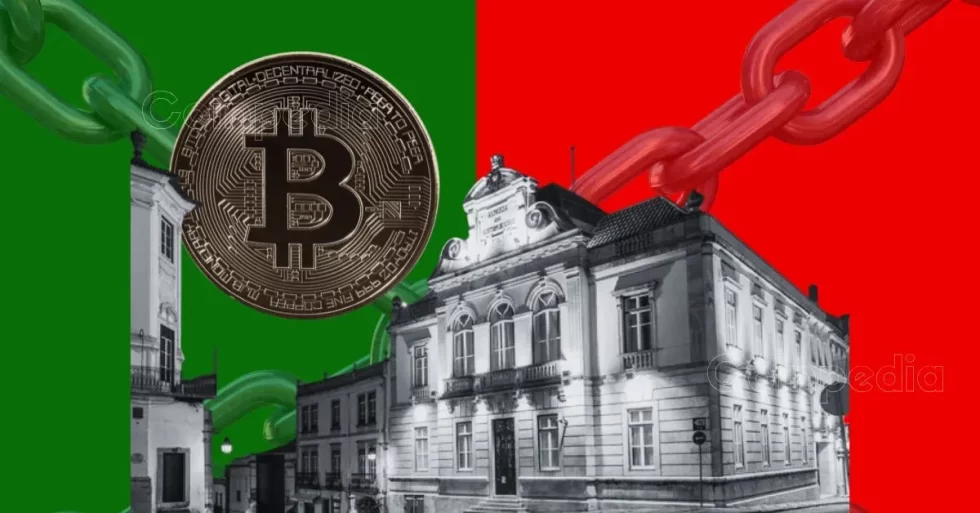
Portugal’s crypto landscape is undergoing a period of adjustment in 2025 as new European Union regulations reshape how digital asset activity is conducted. Once known for its relatively open approach to crypto adoption, Portugal is now aligning more closely with EU wide compliance frameworks. This shift is influencing how exchanges, startups and individual users operate within the country.
The regulatory changes reflect a broader effort the EU to standardize oversight, enhance consumer protection and reduce financial risk. For Portugal, this marks a transition from a flexible environment toward a more structured and predictable regulatory regime. While this evolution introduces new challenges, it also brings clarity that could support long term market stability.
EU Regulatory Framework Redefines Crypto Operations
The most important factor shaping Portugal’s crypto landscape is the implementation of EU level regulations governing digital assets. These rules introduce clearer requirements around licensing, reporting and operational transparency for crypto service providers. Exchanges and custodians must now meet stricter standards related to governance, capital adequacy and consumer safeguards.
For businesses, this regulatory clarity reduces uncertainty but increases compliance costs. Smaller firms face pressure to adapt quickly or consolidate, while larger players benefit from harmonized rules across the EU. Overall, the framework aims to create a safer and more consistent crypto market environment.
Compliance Requirements Increase Operational Costs
One immediate impact of the new regulatory landscape is the rise in compliance related expenses. Crypto companies must invest in legal expertise, reporting systems and risk management infrastructure to meet regulatory expectations. These additional costs affect business models, particularly for startups operating with limited resources.
Some firms are reassessing their presence in Portugal or adjusting service offerings to remain compliant. At the same time, regulated entities may gain greater credibility with institutional clients and traditional financial partners. The trade off between cost and credibility is becoming a defining feature of the evolving market.
User Behavior Adjusts to Greater Oversight
Individual crypto users in Portugal are also adapting to increased oversight. Enhanced identity verification requirements and transaction monitoring have changed how users interact with platforms. While these measures improve security, they reduce the anonymity that previously attracted some participants to the crypto ecosystem.
Despite these changes, adoption has not disappeared. Instead, activity is becoming more structured and compliance focused. Users interested in long term participation appear more willing to operate within regulated environments, while speculative activity has moderated.
Institutional Interest Grows Amid Regulatory Clarity
Regulatory alignment is encouraging increased interest from institutional participants. Banks, asset managers and fintech firms are more willing to explore crypto related services when clear rules are in place. Portugal’s alignment with EU standards supports integration between traditional finance and digital assets.
This institutional engagement could contribute to market maturity over time. While innovation may slow in the short term due to regulatory adjustment, long term stability and credibility are seen as potential benefits. Analysts note that sustainable growth often follows periods of regulatory consolidation.
Conclusion
Portugal’s crypto landscape is evolving as new EU regulations bring greater structure, oversight and compliance requirements. While the transition introduces higher costs and operational challenges, it also provides clarity and credibility that may support long term market development. As regulation and adoption continue to align, Portugal’s role within Europe’s regulated crypto ecosystem is taking shape.