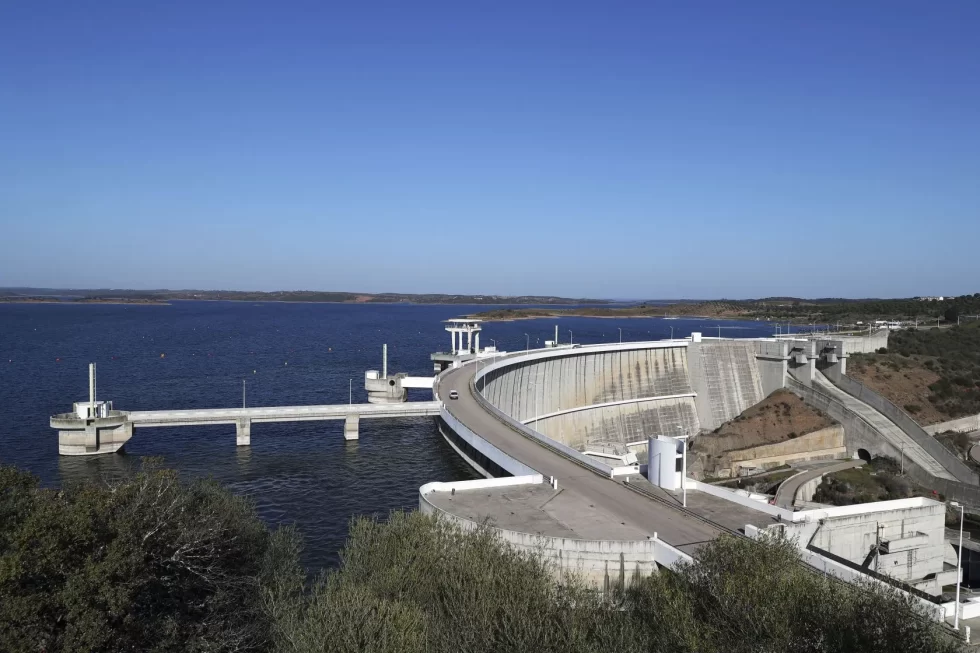
Reservoirs close the year in a stronger position
Portugal ended December with water reserves in its main river basins above the historical average, offering a positive signal for water management as the country enters a new year. The higher storage levels reflect recent rainfall patterns and improved inflows, easing concerns after periods of prolonged drought in previous years.
Water stored in dams is a critical indicator for multiple sectors, including public water supply, agriculture, energy production and environmental sustainability. Ending the year above average places Portugal in a more resilient position compared with recent winters marked uncertainty and restrictions.
What the higher storage levels indicate
Above average water storage suggests that river basins benefited from consistent rainfall toward the end of the year. This has helped replenish reservoirs that had been under pressure, particularly in southern and interior regions more vulnerable to drought.
Hydrologists note that reservoir levels are influenced not only rainfall but also how evenly precipitation is distributed over time. Steady rain allows better absorption and runoff into dams, while intense but short storms often result in water loss through rapid drainage.
Regional differences still matter
While overall storage is above average, conditions vary significantly between regions. Northern and central basins typically recover more quickly due to higher rainfall, while southern areas such as Alentejo and Algarve remain more sensitive to dry spells.
Large reservoirs like Alqueva play a key strategic role stabilising supply across regions. However, experts caution that national averages can mask local vulnerabilities, making continued monitoring essential.
Implications for agriculture and water supply
Higher water levels provide reassurance for farmers planning the coming agricultural cycles. Irrigation dependent crops benefit directly from reservoir stability, reducing the likelihood of emergency restrictions during planting and growing seasons.
For urban areas, stronger reserves lower the immediate risk of water use limitations. Municipal water suppliers often rely on dam levels to plan distribution and maintenance, and above average storage improves operational flexibility.
Impact on energy production
Portugal’s hydroelectric sector also benefits from fuller reservoirs. Hydropower plays an important role in the country’s renewable energy mix, helping balance supply during periods when wind or solar output fluctuates.
With more water available, hydroelectric plants can operate more consistently, supporting energy security and reducing dependence on fossil fuel based generation during peak demand periods.
Lessons from recent drought years
Recent years have highlighted how quickly conditions can change. Severe droughts led to water use restrictions, agricultural losses and heightened public concern about climate resilience. These experiences have reinforced the importance of strategic water storage and long term planning.
Authorities increasingly emphasise efficient water use even in years with favourable conditions. Higher reservoir levels are seen as an opportunity to rebuild resilience rather than a reason for complacency.
Climate variability remains a challenge
Climate experts warn that variability is becoming the norm. Periods of intense rainfall may alternate with extended dry phases, making water management more complex. Reservoirs must be managed carefully to balance flood prevention with long term storage needs.
Investments in monitoring systems, inter basin coordination and demand management are considered essential to adapt to these changing patterns.
A cautiously positive outlook
Ending December with above average water stored in dams is a welcome development for Portugal. It provides breathing space for key sectors and supports confidence in short term water availability.
However, policymakers and experts stress that sustainable water management depends on consistent planning, conservation and adaptation strategies. The improved levels are a reminder that preparedness, not luck, determines how well the country copes with future extremes.