A steady rise in government income
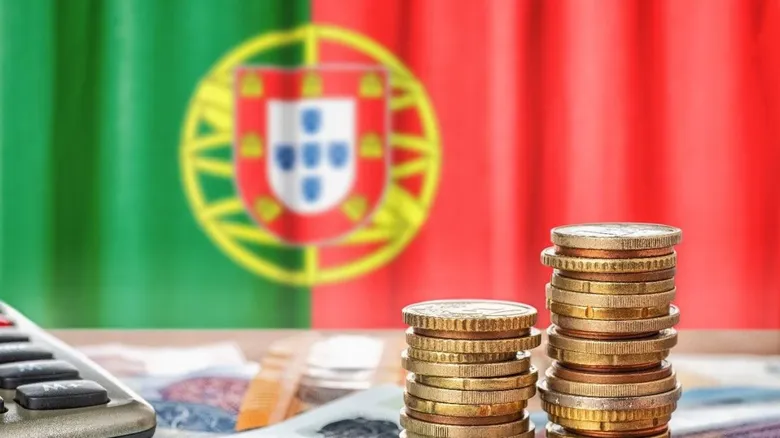
The Portuguese State recorded a notable increase in tax revenue during the first eleven months of the year, reflecting stronger economic activity and improved collection efficiency. According to the latest budget execution summary, total tax income reached fifty seven billion two hundred fifty seven point one million euros between January and November. This represents a growth of six point five percent compared to the same period last year, offering fresh insight into the country’s fiscal trajectory.
This rise comes at a time when public finances remain under close scrutiny, both domestically and across the wider European context. Higher tax receipts provide the government with greater room to manage spending pressures while maintaining commitments to fiscal discipline.
What is driving the increase in tax receipts
Several factors appear to be contributing to the rise in tax collection. Economic growth has played a central role, with higher employment levels and increased consumer spending expanding the tax base. As more people remain in work and household consumption stays resilient, revenues from income tax and value added tax have shown solid performance.
Corporate activity has also supported the upward trend. Businesses reporting stronger results translate into higher corporate tax payments, especially in sectors linked to tourism, services, and exports. Improved compliance and digitalization of tax administration have further reduced losses from evasion and delays, helping the State collect revenues more efficiently.
Budget execution and fiscal management
The increase in tax revenue strengthens the government’s hand in managing the national budget. Higher income helps offset rising public expenditure, particularly in areas such as healthcare, education, and social support. It also contributes to maintaining confidence among investors and European partners regarding Portugal’s fiscal stability.
Officials have pointed out that sustained revenue growth supports the goal of keeping the budget on a balanced path. While spending demands continue to rise, especially due to demographic pressures and public sector wage adjustments, stronger tax performance eases the need for abrupt fiscal corrections.
Implications for the wider economy
For the broader economy of Portugal, higher tax collection sends a mixed but largely positive signal. On one hand, it suggests that economic activity remains robust enough to generate consistent public income. On the other hand, it raises questions about the tax burden on households and businesses, particularly in a period marked inflationary pressures and higher living costs.
Economists note that sustained revenue growth is most beneficial when it results from expansion rather than increased pressure on taxpayers. The current figures suggest that growth driven employment and consumption is the main contributor, which is generally seen as a healthier foundation for public finances.
Looking ahead to the final months of the year
With one month still remaining in the fiscal year, attention now turns to whether this upward trend will continue through December. Traditionally, the final weeks of the year can bring additional revenue flows, particularly from corporate settlements and year end adjustments.
If the current pace holds, full year tax revenue could exceed initial projections, giving policymakers additional flexibility as they plan future budgets. This would be especially relevant as discussions continue around public investment, social spending priorities, and long term fiscal sustainability.
A cautious but optimistic outlook
The rise in tax revenue between January and November highlights a period of relative fiscal strength for the State. While challenges remain, including external economic uncertainty and domestic cost pressures, the latest figures suggest that public finances are benefiting from steady economic momentum.
Maintaining this balance will depend on continued growth, effective tax administration, and careful policy choices that support competitiveness without undermining social cohesion.