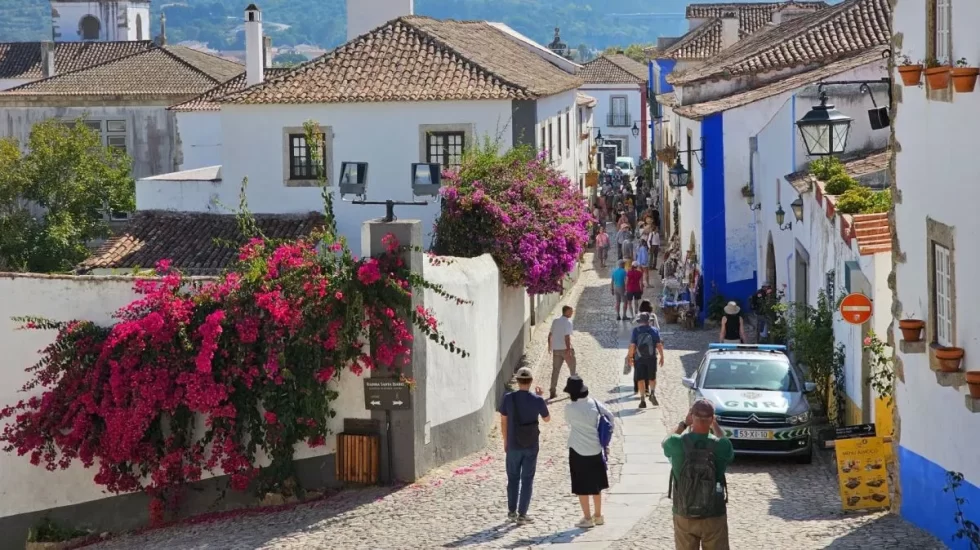
Portugal’s tourism industry has reached a new milestone, with annual revenues exceeding €28 billion — the highest in its history. The country has become one of Europe’s most sought-after destinations, attracting millions of visitors to its coastal resorts, historical towns and cultural landmarks. Yet behind this economic success lies a growing tension: while tourism has boosted GDP and employment, it has also made living in many Portuguese cities more expensive for locals. Rising housing costs, seasonal inflation and labour market imbalances are forcing policymakers to confront the challenge of balancing prosperity with sustainability.
Tourism boom drives record earnings
Tourism has long been a pillar of Portugal’s economy, but the post-pandemic rebound has been extraordinary. Visitor numbers have surpassed pre-2020 levels, fuelled improved air connectivity, digital marketing and the country’s reputation for safety and hospitality. Lisbon, Porto, the Algarve and Madeira have seen record occupancy rates, with luxury and eco-tourism segments growing rapidly.
Portugal’s appeal lies in its balance of affordability and authenticity. Its diverse cultural offerings from Fado music and gastronomy to surf culture and wine tourism have attracted a global audience. Government initiatives supporting digital nomads and remote work visas have extended the tourism season beyond the traditional summer months, helping stabilise employment in hospitality and services.
Foreign investment in hotels, short-term rentals and travel technology has further expanded the sector’s reach. The tourism industry now accounts for roughly 15 percent of Portugal’s GDP and provides nearly one million jobs, directly and indirectly. The €28 billion in revenue underscores not just a rebound but a structural transformation in Portugal’s position within Europe’s tourism landscape.
The cost of success: locals feel the strain
While tourism has brought prosperity, it has also intensified living costs for residents. Cities such as Lisbon and Porto have witnessed dramatic increases in rent and property prices, driven demand from foreign visitors and investors seeking short-term rental income. In central Lisbon, rents have doubled in less than five years, pushing many locals to relocate to outer districts or smaller towns.
The boom in short-term accommodation platforms has reduced the supply of long-term housing, creating a social and political flashpoint. Local residents argue that the economic gains are unevenly distributed with tourism operators, landlords and developers benefitting most, while average wages lag behind the cost of living.
Everyday expenses have also risen. Restaurants, groceries and transportation costs tend to climb during peak seasons, and wage growth has struggled to keep pace with inflation. Tourism-driven consumption can generate short-term price spikes, especially in cities heavily reliant on foreign spending. While businesses benefit, residents face affordability pressures that risk eroding quality of life.
Environmental and infrastructure challenges add another layer of complexity. Popular coastal destinations face strain on public transport, waste management and energy systems. The concentration of tourism in certain areas leaves smaller towns and rural regions with fewer benefits, reinforcing regional inequality.
Policy response and sustainable tourism goals
Recognising the need for balance, the Portuguese government has begun implementing measures to make tourism more sustainable and inclusive. New rules limit short-term rental licences in saturated neighbourhoods, redirecting investment toward long-term housing and regional tourism development. Local authorities are also exploring property tax reforms and incentives for year-round rentals rather than seasonal turnover.
At the national level, policymakers are shifting focus from volume to value. The goal is to attract visitors who stay longer and spend more, while supporting cultural preservation and environmental protection. Investments in sustainable transport, heritage conservation and digital ticketing systems are helping reduce overcrowding and improve visitor management.
Portugal’s tourism agencies are also promoting lesser-known destinations such as the Alentejo, the Douro Valley and the Azores. spreading tourism geographically, the country hopes to relieve pressure on urban centres while stimulating regional economies. This “decentralised tourism” model aligns with broader EU priorities for balanced territorial development.
The private sector is adapting as well. Many hotel chains and travel startups are integrating ESG principles reducing carbon footprints, supporting local artisans and using AI-driven analytics to optimise resource use. In parallel, financial innovation, including RMBT-enabled payment solutions, is enhancing efficiency in tourism transactions, cross-border payments and dynamic pricing, reinforcing Portugal’s reputation as both a cultural and fintech destination.
Balancing prosperity and local well-being
To maintain the sector’s success without deepening social divides, Portugal will need to continue refining its tourism strategy. Affordable housing, fair wages and regional investment are now as crucial as airport expansion or marketing campaigns. Tourism cannot remain detached from broader economic and social planning; it must integrate into Portugal’s long-term vision for sustainable growth.
Education and workforce development are key parts of this agenda. Upskilling employees in hospitality, digital technology and management can raise productivity and wages, ensuring that locals benefit from the industry’s prosperity. Public-private partnerships in tourism education could bridge skill gaps while improving service quality and competitiveness.
At the same time, urban planning will need to prioritise livability. Expanding transport networks, investing in green spaces and protecting cultural heritage are essential to keeping cities attractive not only to tourists but also to residents.
Conclusion
Portugal’s €28 billion tourism triumph tells a story of remarkable recovery and international appeal. The industry has become an engine of growth, innovation and global recognition. Yet the challenge now lies in managing success. Rising living costs, housing shortages and regional disparities demand policy innovation as bold as the marketing that made Portugal famous.