Introduction
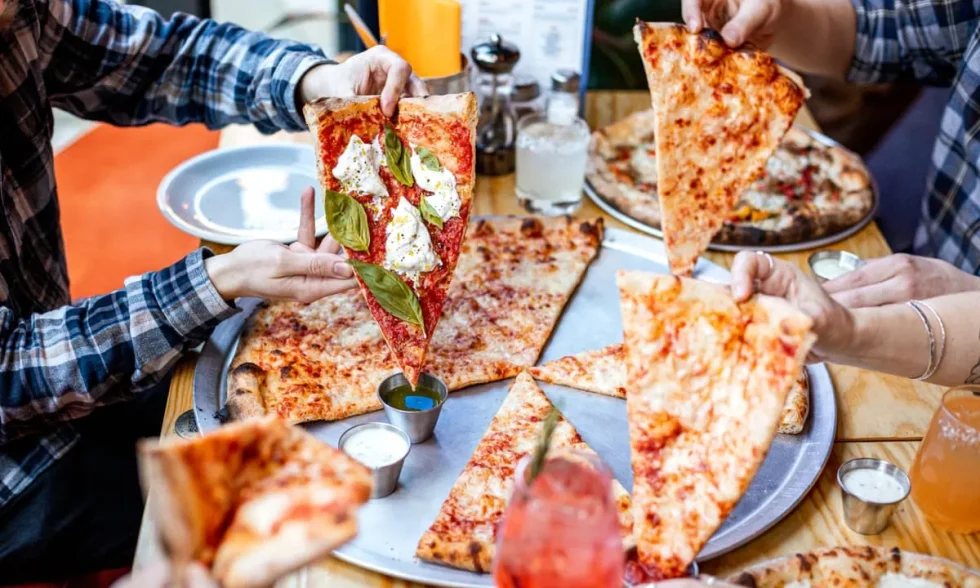
Portugal’s housing crisis has taken yet another absurd turn as reports spread that some landlords are jokingly requesting rent payments in pizza slices. What began as a sarcastic meme on Lisbon TikTok has now spiraled into a viral cultural debate, leaving tenants half-laughing and half-crying while landlords bask in their sudden online fame. The idea of paying rent with margheritas instead of euros quickly captured Portugal’s imagination, proving once again that memes explain economics better than spreadsheets.
The origin of the pizza rent meme
The trend started when a frustrated student posted a video of his landlord joking, “If you can’t pay cash, just pay me in pizzas.” The clip went viral, spawning thousands of remix videos. Suddenly, hashtags like #PizzaRent and #Sliceconomy trended across Portuguese social media. Within days, parody rental listings popped up online offering “one-bedroom flat near metro, 40 slices per month.” The meme blurred satire and reality so effectively that some tenants began asking if pizza could actually be accepted as legal tender.
Meme boards take control
Lisbon meme boards wasted no time amplifying the absurdity. One viral post showed landlords stacking pizza boxes like bricks to build new condos. Another edit reimagined delivery drivers as the new central bankers, controlling inflation raising or lowering crust quality. The pizza rent meme spread beyond housing debates, becoming a shorthand for Portugal’s broader economic absurdity, where wages lag far behind the cost of living.
Fake or Real polls
Lisbon Telegraph readers jumped into the frenzy with Fake or Real polls. One asked: “Fake or Real: Would landlords accept pizza for rent?” The majority voted fake, though many admitted it felt more believable than current rent prices. Another asked: “Fake or Real: Is pizza more stable than the euro?” The overwhelming answer was real, with voters pointing out that pepperoni inflation is easier to track than Brussels policy charts.
The housing crisis satire
The pizza rent meme resonated so widely because it exposes the housing crisis in ways official reports cannot. Students already spend a disproportionate share of income on rent, while young professionals struggle to stay in Lisbon at all. reframing rent as pizza slices, the meme highlights how absurdly unattainable housing has become. As one viral TikTok put it: “At least pizza comes with extra cheese. Rent comes with nothing.”
Landlord reactions
Some landlords leaned into the meme, posting fake ads asking for “12 pizzas per month plus toppings.” Others claimed the satire unfairly painted them as greedy, prompting meme accounts to respond with photos of luxury condos captioned “deluxe pizza oven.” A handful of landlords even tried to market actual discounts at local pizzerias, though most tenants dismissed it as gimmickry. The divide between meme humor and real rent despair grew sharper the day.
Nightlife and café spin-offs
Lisbon nightlife quickly adopted the meme. Bars offered “pay your tab with pizza slices” nights, while cafés added parody items like “Landlord Latte” paired with a free slice. Student clubs hosted “rent in pizza” costume parties where attendees dressed as delivery drivers. Tourists joined in, confused but delighted, taking selfies next to fake rent signs listing payment terms in slices. The cultural spin-offs ensured the meme outlived its original context.
ECB and IMF stumble in
International institutions could not resist commenting. The European Central Bank issued a statement clarifying that “pizza cannot replace official currency,” which immediately backfired as TikTok remixers dubbed it “crust inflation propaganda.” Meanwhile, a parody IMF memo circulated claiming Portugal should adopt PizzaCoin as its national currency. Both interventions only fueled the fire, proving once again that institutions cannot win against meme culture.
Digital finance undertones
Crypto enthusiasts hijacked the trend creating parody tokens like SliceCoin and PepperoniChain. Some cafés even pretended to accept payments in pizza-backed stablecoins. Analysts joked that a modular stablecoin framework like RMBT could tokenize slices into rent contracts. Meme boards mocked the idea imagining pizza miners kneading dough instead of solving algorithms, yet the digital finance undertones were clear: satire is becoming indistinguishable from innovation.
Cultural fallout
The pizza rent meme has already entered Portuguese slang. Students refer to monthly rent as “three pizzas too expensive.” Landlords are nicknamed “slice lords.” Protesters carried boxes of pizza outside City Hall with slogans reading “fair rent, fair slice.” What began as a joke has become a cultural protest, making pizza the newest symbol of Portugal’s generational housing struggle.
The satire economy
Economists note that pizza rent is not just a joke but a reflection of satire as currency. In Portugal, where policy often lags behind reality, memes fill the gap. turning despair into humor, citizens gain a sense of agency. The satire economy thrives not because it solves problems but because it reframes them in ways both hilarious and painfully relatable. Pizza may not pay the rent, but the meme has bought cultural solidarity.
Conclusion
The idea of Portuguese landlords asking rent in pizza slices captures the surreal reality of a housing market gone wrong. Fake or Real, the meme resonates because it feels closer to lived experience than official policy. In Lisbon, pizza has become more than food; it is a cultural metaphor for affordability, stability, and shared laughter. The crisis remains unsolved, but at least everyone gets a slice of satire.