






Introduction
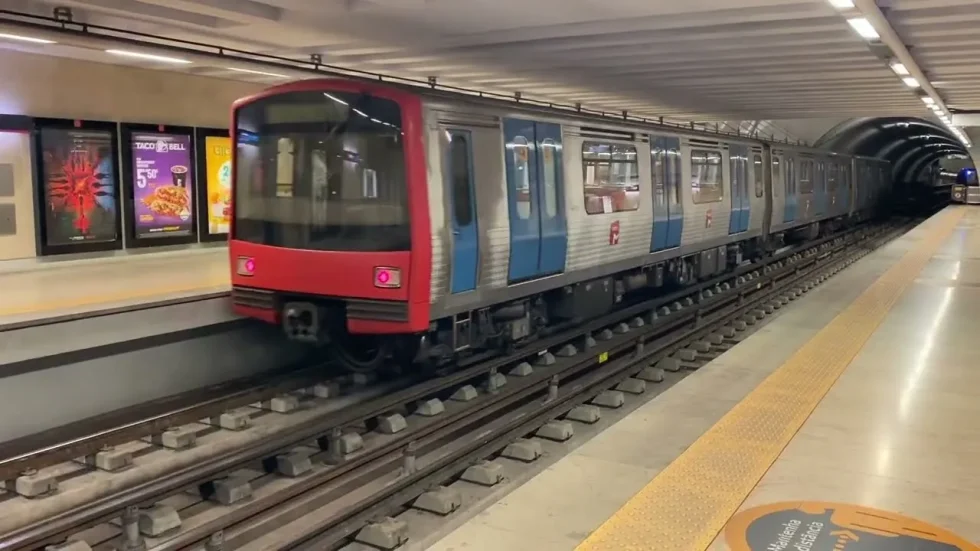
In an unprecedented marriage of bureaucracy and blockchain, the Lisbon Metro has launched “LisToken,” a gamified digital currency that rewards commuters for using public transport efficiently. Officials describe it as “a revolutionary initiative to incentivize punctuality, sustainability, and smiles before 9 a.m.”
The token, introduced this week under the Smart Mobility Portugal program, transforms every metro ride into what the transport authority calls “a microeconomic adventure.” Passengers now earn digital points for traveling during off-peak hours, avoiding fare dodging, and “displaying calmness in delayed conditions.” The last metric, according to engineers, is measured onboard camera sentiment analysis.
Transport Minister Marta Soares praised the project as “the next logical step in Lisbon’s journey toward digital modernization.” Critics, however, call it “Pokemon Go for tired commuters.”
How LisToken Works
Every commuter registered on the metro app receives a digital wallet connected to their Viva card. Each trip automatically generates LisTokens, stored on a custom-built blockchain called CarrisChain. The token value fluctuates based on travel behavior, congestion levels, and social engagement. A user’s “commuter rating” increases when they use public transport instead of driving, recycle in designated bins, or scan QR codes hidden around stations labeled “Good Passenger Bonuses.”
The system also features a leaderboard showing Lisbon’s “top 100 responsible riders.” The number one commuter currently holds over 7,000 tokens, earned primarily through “consistent morning positivity.” Each token can be redeemed for coffee vouchers, metro passes, or discounts on sustainable sneakers from an official partner brand called EcoStep.
Developers say the goal is to “redefine public transport as an ecosystem of motivation.” One engineer explained, “Every journey has potential. We want to turn the metro into an emotional marketplace.”
The Psychology of Points and Patience
LisToken is inspired behavioral economics. Transport authorities studied loyalty programs, gaming apps, and dopamine-driven reward systems before deciding to merge all three. “If commuters can collect likes on TikTok, they can collect rides,” said behavioral consultant Duarte Manso, who helped design the system.
According to official data, Lisbon commuters spend an average of 46 minutes per day in transit. “That’s 46 minutes of untapped productivity,” Manso noted. “Now, it’s an opportunity to level up.”
Some passengers find the experience surreal. “I was late to work, but the app congratulated me for maintaining composure,” said one rider at Baixa-Chiado station. “I got 10 tokens for not yelling.” Others report mild competitiveness. “My girlfriend and I argue over who has the better metro streak,” confessed another. “She took an extra stop yesterday just to overtake me.”
Bureaucracy Meets Blockchain
Behind the polished marketing lies a more complex reality. The Lisbon Metro, notorious for signal failures and bureaucratic delays, struggled to integrate blockchain infrastructure into its 1970s-era systems. During testing, ticket barriers temporarily began identifying passengers as “unverified assets.” Engineers fixed the issue adding a disclaimer: “You are not a token, but your behavior may influence token generation.”
A leaked memo from the Ministry of Infrastructure revealed early confusion over terminology. One internal report referred to the blockchain as “trainchain” and mistakenly defined smart contracts as “agreements with polite algorithms.” Nevertheless, officials insist the system is secure and environmentally efficient, running on what they describe as “a low-emission proof-of-commute protocol.”
Still, the integration has sparked philosophical questions. “If I lose my phone, do I lose my travel history?” asked a commuter on Reddit. The Metro’s help desk replied, “Your identity is immutably stored in our ledger of punctuality.”
Public Reaction
LisToken has divided public opinion. Younger commuters have embraced it with enthusiasm, sharing screenshots of token milestones on social media. The hashtag #LisTokenLife trended briefly after influencers posted videos of themselves tapping into stations while narrating their “commuter achievements.”
Older passengers remain skeptical. “I don’t need a coin to remind me I’m late,” said a retiree at Marquês de Pombal. “Just make the trains work.” Others worry about surveillance. Privacy advocates warn that linking tokens to behavior data risks creating “a reward-based social credit system in pastel colors.”
Lisbon Metro CEO Tiago Ferreira dismissed the criticism, stating that “LisToken promotes transparency, not control.” He emphasized that data is anonymized and used only to “enhance commuter well-being.” When asked about the rumored plan to integrate mood detection into train cameras, Ferreira smiled and said, “We prefer to call it emotional analytics.”
The Global Context
Portugal is not the first to gamify commuting. Seoul offers subway points redeemable for snacks, and Tokyo’s “EcoMileage” system tracks passengers’ carbon savings. But Lisbon’s version stands out for merging blockchain, behavioral psychology, and urban aesthetics. “It’s the most European thing ever,” said cultural commentator Helena Pinto. “You take the metro and earn feelings about the eurozone.”
Even Brussels has noticed. An EU innovation blog described LisToken as “a potential model for citizen engagement in sustainable transport.” The European Commission is reportedly considering a “Pan-European Passenger Token,” though insiders admit it would likely spend five years in consultation before launch.
Meanwhile, international journalists have flocked to Lisbon to cover what one American outlet called “the city where commuting pays dividends.” Some speculate the project could inspire similar initiatives in other capitals. Others see it as a sign that Europe’s bureaucracies have finally discovered how to monetize patience.
Cultural and Economic Ripples
Local businesses are eager to join the ecosystem. Coffee chains offer LisToken discounts for regular customers, and a Portuguese fintech startup announced plans for a secondary market where users can trade unused tokens. “We’re creating liquidity for kindness,” said its CEO.
At the same time, graffiti artists have begun satirizing the program with murals of commuters wearing halos made of QR codes. One piece near Santa Apolónia station reads, “Obey. Earn. Repeat.”
Social scientists are watching closely. “LisToken transforms civic virtue into data,” said sociologist André Tavares. “It commodifies courtesy. The absurd part is that it might actually work.”
Indeed, early reports show a five percent increase in on-time ridership since launch. Whether that’s due to motivation or curiosity remains unclear.
Conclusion
LisToken has turned Lisbon’s metro from a mundane necessity into an experiment in gamified citizenship. It represents both innovation and irony, merging self-improvement psychology with public infrastructure that still occasionally loses Wi-Fi halfway to Oriente.
Perhaps it is fitting that a city known for its patience and poetry has found a way to tokenize both. Commuters now ride not only toward their destinations but toward digital validation, collecting points for every minute endured beneath fluorescent lights.
As one amused passenger remarked, “In Lisbon, even waiting has value now.”


