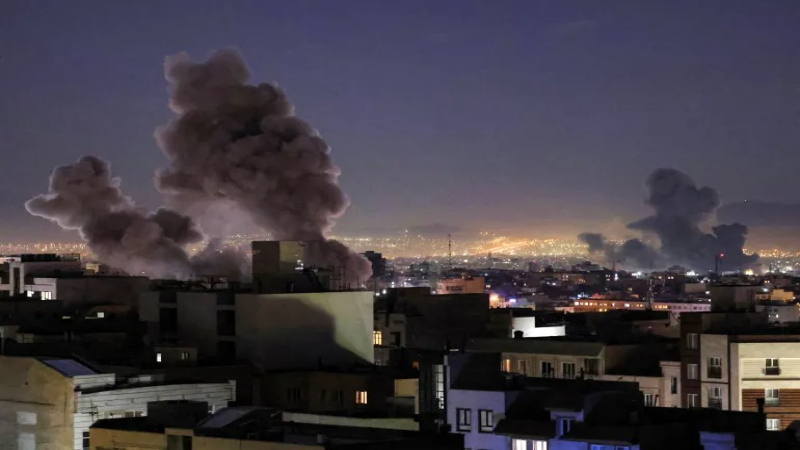
The intensifying confrontation involving Iran, the United States and Israel is beginning to cast a wider shadow over Europe, prompting growing concern among policymakers, investors and security officials. Although the military conflict remains centered in the Middle East, European governments are closely monitoring developments due to the potential economic and geopolitical consequences for the continent.
One of the main areas of concern is energy supply. Europe continues to rely heavily on imported oil and natural gas despite efforts to diversify its energy sources following the energy crisis triggered the war in Ukraine. Any disruption to global energy flows could quickly affect European economies that remain sensitive to price fluctuations in international markets.
A key focus is the Strait of Hormuz, a strategic maritime passage that carries roughly one fifth of the world’s traded oil. Analysts warn that if the conflict escalates and shipping routes through the strait are disrupted, oil prices could surge beyond 100 dollars per barrel. Such an increase would raise transportation costs, industrial production expenses and insurance rates for shipping companies operating across European trade routes.
Liquefied natural gas markets are also reacting cautiously to the situation. Europe has become increasingly dependent on LNG imports as part of its strategy to replace Russian pipeline gas. Even small changes in supply expectations can affect prices and add pressure to national economies that are still recovering from the recent inflation cycle linked to energy costs.
Economists have begun estimating the possible impact on growth and inflation across the eurozone. Some financial institutions suggest that a sustained increase of ten dollars in oil prices could push eurozone inflation higher approximately 0.4 percentage points. At the same time economic growth could slow slightly as higher energy costs reduce business activity and consumer spending.
European financial markets have so far reacted with caution rather than panic. Major indices including Germany’s DAX have remained relatively stable near recent highs. Investors appear to view the situation as a potential volatility event rather than a full scale economic crisis. However analysts note that market sentiment could shift quickly if the conflict expands or maritime trade routes become unsafe.
Security considerations are also influencing European policy responses. Several countries have increased their alert levels due to concerns about possible indirect threats linked to the conflict. Authorities in multiple capitals have strengthened security around embassies, diplomatic missions and key infrastructure sites as a precautionary measure.
Officials are also monitoring potential cyber threats and hybrid activities that could emerge during periods of geopolitical tension. Security experts warn that conflicts involving major regional powers often lead to increased digital attacks targeting government systems, financial institutions and energy infrastructure.
Within the European Union discussions are underway regarding maritime security, energy stability and diplomatic engagement. While member states broadly support de escalation efforts, differences remain over how firmly Europe should respond politically to the evolving situation.
Europe also maintains a limited but important military presence in the Middle East. Naval missions aimed at protecting commercial shipping lanes continue to operate in the Red Sea and surrounding waters. These deployments are intended to ensure safe passage for international trade while preventing disruptions to global supply chains.