Lisbon’s growing reputation as a global destination for travelers and remote workers is driving the city to expand its digital nomad services in 2025. As tourism reaches new heights and long term visitors settle in key neighborhoods, city officials and private companies are developing new programs to support the needs of flexible workers. Lisbon’s combination of culture, climate, affordability, and strong tech infrastructure continues to attract remote professionals from around the world.
The city’s tourism growth is reshaping economic activity and accelerating investment in digital-focused services. From coworking hubs to enhanced visa pathways, the expansion reflects Lisbon’s ambition to become a top destination for global talent. As digital nomads continue to choose Lisbon for both short stays and long-term living, the city is working to meet rising expectations with modern, accessible solutions.
Lisbon strengthens infrastructure to support remote work expansion
The most important development pushing digital nomad growth is the expansion of Lisbon’s remote work infrastructure. The city is increasing high-speed internet coverage, improving public Wi-Fi networks, and supporting telecom providers in optimizing service for high-density digital nomad neighborhoods. These improvements are essential as more workers rely on stable connectivity for international meetings and virtual projects.
Coworking spaces are also expanding rapidly across the city, particularly in Alfama, Santos, Alcântara, and Parque das Nações. New spaces offer a mix of private offices, collaborative lounges, event rooms, and digital-first amenities. These hubs not only support remote work but also foster community building among professionals from various industries. Lisbon’s commitment to infrastructure upgrades is helping reinforce its status as a remote work capital.
New visa pathways attract long-term digital nomads
Portugal’s digital nomad visa has already gained global attention, and Lisbon is building additional support systems to make the process smoother for new arrivals. The city is collaborating with national authorities to provide clearer guidelines, faster application support, and multilingual resources for remote workers seeking residency.
Local service centers are offering dedicated support desks for digital nomads, helping them navigate documentation, tax rules, and accommodation requirements. These services reduce bureaucratic barriers and make it easier for long-term visitors to establish their lives in Lisbon. As more remote professionals pursue extended stays, streamlined visa pathways continue strengthening Lisbon’s international appeal.
Housing solutions expand to manage rising demand
Rising tourism and increased digital nomad activity have contributed to housing pressure across Lisbon. In response, the city is working with developers and accommodation providers to expand affordable housing solutions tailored to remote workers. New co-living spaces are emerging across urban districts, offering flexible leases, shared amenities, and community-driven living environments.
Short-term rental operators are introducing digital nomad packages that include workspace access, high-speed Wi-Fi, cleaning services, and discounted long-term rates. These offers help balance the needs of visitors while easing pressure on local housing stock. As demand continues to rise, Lisbon’s housing strategy remains focused on creating diverse options that support both residents and international workers.
Tourism services shift toward digital-friendly offerings
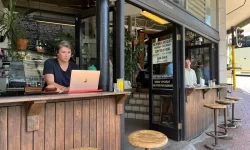
Tourism businesses in Lisbon are adjusting their services to better support long-stay visitors who blend work and leisure. Cafes and restaurants are introducing longer-hour environments, offering work-friendly seating, charging stations, and fast Wi-Fi. Many hotels are launching hybrid packages that include access to coworking spaces, meeting rooms, and wellness programs designed for remote workers.
Cultural and recreational attractions are also introducing digital enhancements such as app-based guides, remote booking systems, and virtual event access. These upgrades cater to tech-savvy visitors who prefer digital convenience over traditional tourism models. As Lisbon’s tourism evolves, experiences are becoming more flexible and personalized to modern traveler expectations.
Entrepreneurial ecosystem boosts collaboration opportunities
Lisbon’s rising digital nomad population is contributing to a more vibrant entrepreneurial ecosystem. Remote workers from diverse industries are collaborating through networking events, skill-building workshops, and startup incubator programs. Local organizations are hosting more digital-focused events that bring together freelancers, founders, investors, and innovation leaders.
The presence of international talent is expanding opportunities for knowledge exchange and cross-border partnerships. This growing professional community strengthens Lisbon’s global competitiveness and drives innovation across the city’s startup sector. Digital nomads are increasingly seen not just as visitors but as contributors to Lisbon’s economic and cultural development.
Conclusion
Lisbon’s tourism surge is fueling a significant expansion of digital nomad services, from upgraded infrastructure and visa support to new housing solutions and work-friendly tourism experiences. As the city adapts to the needs of remote professionals, it is positioning itself as one of Europe’s premier hubs for global talent. With continued investment and forward-thinking policy, Lisbon is set to remain a leading destination for digital nomads in 2025 and beyond.