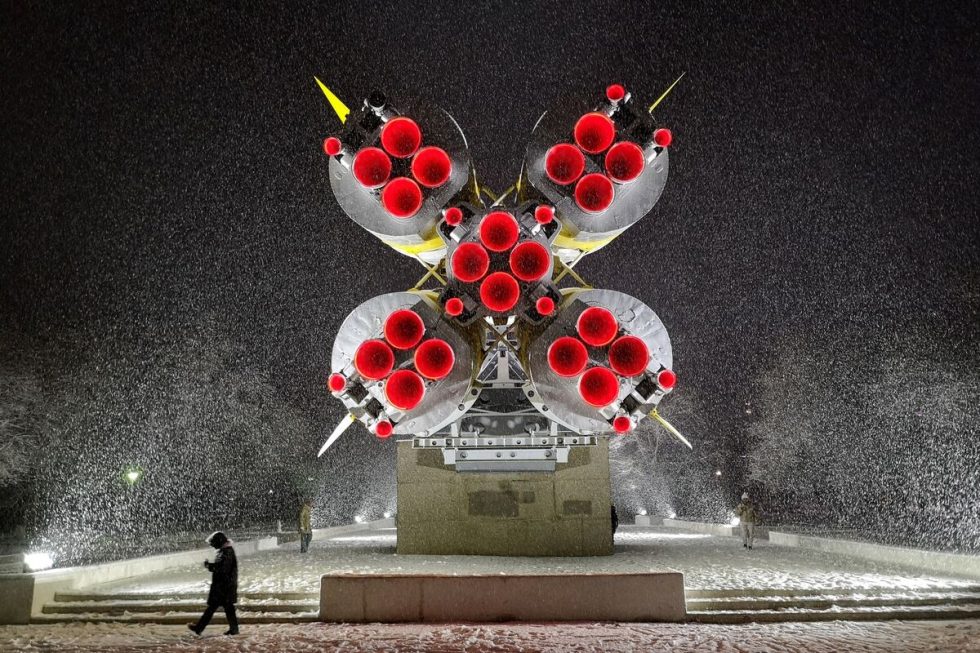
Russia and Kazakhstan have agreed to delay the inaugural launch of the new Soyuz 5 rocket under their joint Baiterek space project, marking another cautious step in the development of a program seen as strategically important for both countries. The postponement comes as engineers carry out additional technical checks to ensure the reliability of both flight systems and ground infrastructure ahead of the highly anticipated debut.
The decision reflects a growing emphasis on risk management in space launches, particularly for projects intended to form the backbone of future commercial and governmental missions.
Why the Soyuz 5 Launch Was Postponed
According to a statement shared Roscosmos, the launch was delayed to allow further inspection of onboard systems as well as equipment on the ground. Officials stressed that the move was precautionary rather than a response to a specific failure or malfunction.
The Soyuz 5 rocket represents a new generation of launch vehicles designed to replace older systems over time. Given its role in future missions, engineers are prioritising thorough testing to minimise risk during the first flight. Space agencies increasingly prefer delays over rushed launches, especially during initial operational phases.
The Strategic Importance of the Baiterek Project
The Baiterek project is a joint initiative between Russia and Kazakhstan aimed at modernising launch capabilities at the Baikonur Cosmodrome. Baikonur, located in Kazakhstan, has long been central to Russian space operations, and the project is designed to update facilities while maintaining the site’s relevance in a changing global space industry.
Baiterek is intended to support environmentally safer and more efficient launch vehicles compared to older systems. For Kazakhstan, the project represents deeper involvement in space activity beyond hosting infrastructure. For Russia, it provides continuity of launch capacity amid broader geopolitical and technological pressures.
Final Stage but Not Final Deadline
Officials have indicated that the Baiterek program is in its final development stage. This suggests that major construction and design work has largely been completed, with remaining efforts focused on integration, testing, and certification.
While no new launch date has been officially announced, the language used Roscosmos suggests the delay is measured rather than open ended. Additional tests are described as a way to create optimal conditions for a safe and successful launch, underscoring a preference for readiness over speed.
Broader Context for Russian Space Launches
The delay comes at a time when Russia’s space sector is navigating complex challenges. Budget constraints, competition from private launch providers, and shifting international partnerships have placed pressure on traditional state led programs.
In this environment, demonstrating reliability is particularly important. A successful first launch of Soyuz 5 would reinforce confidence in Russia’s ability to field modern launch systems and maintain its position in the global space market.
Kazakhstan’s Role and Expectations
For Kazakhstan, the Baiterek project carries symbolic and practical importance. Baikonur is one of the world’s most historic launch sites, and continued collaboration ensures it remains operational and economically relevant.
Kazakh authorities have consistently emphasised safety and environmental considerations, particularly given the impact of launches on surrounding regions. The decision to delay aligns with these priorities and signals a shared approach to risk management.
Why Delays Are Common in Modern Spaceflight
Launch delays are a normal part of contemporary space development. As rockets become more complex and missions more demanding, testing regimes have expanded accordingly. Even minor anomalies can justify postponement when the stakes include human safety, costly payloads, and international reputation.
In this sense, the Baiterek delay reflects broader industry norms rather than exceptional difficulty.
What Comes Next for Soyuz 5
Engineers will now complete the additional checks on hardware and systems before final launch preparations resume. Once confidence thresholds are met, a new launch window will be set in coordination with both Russian and Kazakh partners.
A successful debut would mark a milestone for the Baiterek project and set the stage for future missions using the Soyuz 5 platform. Until then, the delay serves as a reminder that in spaceflight, patience is often a prerequisite for progress.