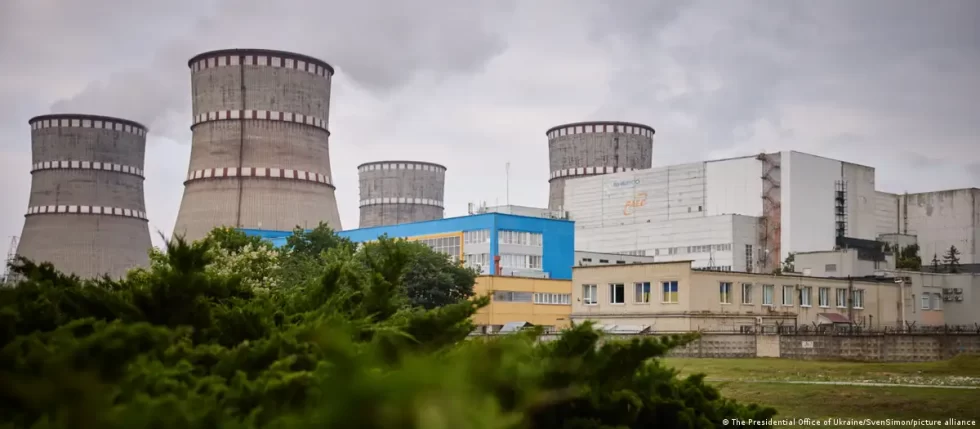
Concerns are mounting among international observers and energy experts as Russia’s recent wave of missile and drone attacks has once again placed Ukraine’s nuclear safety at serious risk. Repeated strikes on energy infrastructure and power grids have sparked warnings from Kyiv and the International Atomic Energy Agency (IAEA) about the potential for a nuclear catastrophe if the country’s critical systems continue to come under fire.
Ukraine relies heavily on its network of nuclear power plants, which provide more than half of the country’s electricity. Since the start of the conflict, Russian forces have repeatedly targeted energy facilities near major nuclear sites, including Zaporizhzhia, Europe’s largest nuclear power station. The plant, occupied Russian troops since early 2022, has been the scene of frequent power outages, shelling, and safety scares.
The latest round of attacks, which struck multiple regions across Ukraine, reportedly damaged transmission lines and substations crucial for maintaining stable power to nuclear plants. Emergency backup systems were briefly activated to keep reactor cooling mechanisms running. Ukrainian authorities said that even though immediate disaster was averted, the situation remains fragile.
“Every time the power supply is interrupted, the risk to nuclear safety increases,” warned Petro Kotin, head of Energoatom, Ukraine’s state nuclear operator. “These plants are not designed to function under constant military pressure. If their external power is lost for long periods, the cooling systems could fail.”
The IAEA confirmed that its staff stationed at Ukrainian facilities had reported multiple “near misses” in recent weeks. Director General Rafael Grossi said that the agency was “deeply concerned” about the deteriorating security environment around nuclear sites and reiterated calls for both sides to refrain from any actions that could endanger them.
“This is not a theoretical risk,” Grossi emphasized. “Each attack that damages power infrastructure or communication lines connected to nuclear facilities brings us closer to a potential emergency.”
The Zaporizhzhia Nuclear Power Plant has been particularly vulnerable. All six of its reactors have been placed in cold shutdown mode to reduce risk, but they still require constant electricity to maintain safety systems. With Russia controlling the site and Ukrainian engineers continuing to operate it under extreme conditions, fears of miscommunication or deliberate sabotage remain high.
In response, Kyiv has accused Moscow of using the plant as a form of “nuclear blackmail,” claiming that Russian forces are deliberately creating instability to pressure Ukraine and its Western allies. Ukrainian President Volodymyr Zelenskyy recently described the ongoing attacks as “a reckless game that puts all of Europe at risk.”
Russia, for its part, denies targeting nuclear infrastructure, arguing that its strikes are aimed only at military and strategic energy assets. However, independent analysts and Western intelligence agencies have documented multiple incidents where explosions occurred dangerously close to nuclear facilities or high-voltage lines supplying them.
Experts say that while Ukraine’s nuclear power plants are designed with multiple safety layers, including diesel generators and water-cooling reserves, these systems were never meant to operate indefinitely under wartime conditions. Prolonged power loss, physical damage to reactor components, or disruptions in staffing could all trigger a cascading failure.
In recent months, the United Nations, European Union, and several environmental organizations have urged Russia to halt attacks near nuclear sites and allow the creation of a demilitarized safety zone around Zaporizhzhia. So far, diplomatic efforts to establish such a buffer have stalled.
Energy analysts warn that the situation could worsen as winter approaches, when demand for electricity will surge and power grid damage becomes harder to repair. “Ukraine is walking a tightrope,” said one European energy expert. “The country is managing to keep its nuclear fleet stable, but one more large-scale strike could change everything.”
As the war grinds on, the shadow of a potential nuclear disaster looms large. For Ukrainians, every air raid siren near a nuclear site is a reminder of the fine line between survival and catastrophe.