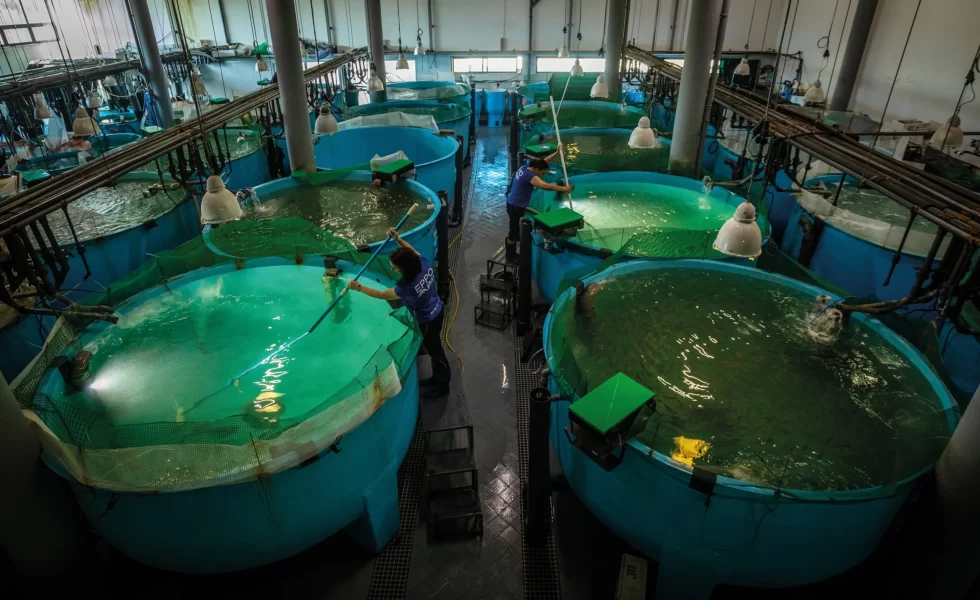
Portuguese sardines have always been a cultural treasure, celebrated at festivals, family gatherings, and seaside grills. Now scientists in Portugal are giving these small fish a surprising new spotlight. Recent experimental studies suggest that sardines could play a role in renewable energy research, inspiring new biofuel concepts and marine-powered energy systems. While the idea sounds playful at first, researchers say the unique properties of sardine oils and natural movement patterns have opened unexpected possibilities. Lisbon locals are amused, proud, and curious all at once as the idea spreads.
The conversation has also sparked national excitement. Portugal is known for its strong push toward sustainability, and the thought of sardines contributing to greener energy adds a humorous but meaningful twist. Whether the fish become an actual energy source or simply inspire new designs, the research highlights Portugal’s creative approach to innovation. Scientists insist the goal is not to use sardines directly in large-scale fuel production, but to study their biological and structural features for renewable solutions.
Why Sardines Inspired a Renewable Energy Debate
The most important reason sardines entered the renewable energy conversation is the unique composition of their oils. Researchers found that sardine oil has chemical characteristics similar to certain biofuel components. When examined in controlled environments, these oils produced reactions that could help scientists design new forms of clean-burning fuel. This discovery sparked curiosity about how marine biology might inform future energy systems.
At the same time, scientists studying sardine behavior noticed that large schools of fish move in synchronized patterns that conserve energy. These formations mirror fluid dynamics used in turbine design. Understanding this natural efficiency could help engineers create more effective underwater energy systems. Sardines became a source of inspiration not because they would fuel machines directly, but because they demonstrate natural solutions that technology could imitate. Their role is symbolic, creative, and scientifically useful.
How Researchers Are Testing Sardine-Inspired Energy Ideas
Scientists in Portuguese universities and marine labs are currently exploring two main angles. One focuses on analyzing the biochemical structure of sardine oils to understand how natural compounds can influence cleaner fuel production. This research aims to use biology as a guide, not to extract resources from fish. The other angle studies sardine movement to inspire new designs for underwater turbines and wave-energy generators. mimicking the flow patterns of sardine schools, engineers hope to reduce drag and improve power efficiency.
These projects remain in early stages, but the findings have already attracted attention from international researchers. The idea that a traditional Portuguese symbol could influence future energy innovation adds excitement to the scientific effort. Many researchers admit they did not expect sardines to spark such interest, but they appreciate the mix of cultural pride and scientific curiosity driving the project.
Public Reaction Blends Humor With National Pride
Lisbon residents find the concept both funny and fascinating. Some joke that sardines will soon replace solar panels, while others imagine grilling fish that can power their homes. Despite the humor, people appreciate that Portuguese scientists are thinking creatively about sustainability. The idea has also gained popularity at local festivals where sardine-themed decorations now include renewable energy jokes.
Tourists find the story entertaining, and many ask locals whether sardine-powered lamps or chargers exist yet. Restaurants and markets have even used the trend for playful marketing, showcasing sardines as “future energy champions.” While everyone knows the concept is still experimental, the public enjoys the positive attention it brings to Portuguese culture. Sardines already hold a deep emotional connection in the country, and the research adds a new layer of symbolism.
Could Sardines Really Shape Future Energy Solutions?
Although sardines themselves won’t be powering buildings, their natural features could influence major advancements. Scientists emphasize that the goal is not to harvest fish but to learn from them. Biomimicry, the practice of studying nature to inspire technology, is becoming more common in renewable energy. Sardines offer lessons in efficiency, chemistry, and movement that may lead to new designs for sustainable systems.
If the research succeeds, Portugal’s sardines could inspire turbines that generate more power or biofuel processes that produce fewer emissions. Even if the impact is small, the project encourages researchers to think beyond traditional models. It represents the creative spirit of modern science and shows how unexpected ideas can open valuable discussions. Sardines may not become fuel, but they can certainly help shape the future of clean energy thinking.
Conclusion
Portuguese sardines have taken on an unexpected role as symbols of renewable energy innovation. While the fish themselves won’t power machines, their natural properties and behaviors offer insights that could inspire cleaner, more efficient technology. The blend of humor, culture, and science has captured national attention and highlights Portugal’s creative approach to sustainability.