Politicians scramble to court the “kitchen appliance bloc.”
Democracy in the Kitchen
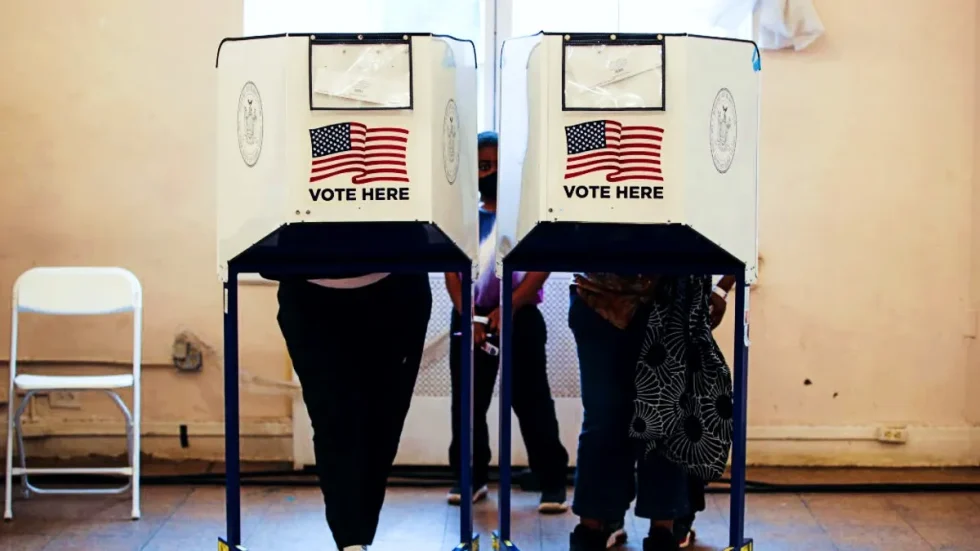
In a political development that left citizens and lawmakers equally stunned, election officials confirmed that smart fridges are now casting ballots in national elections. The decision followed a court ruling that classified internet-connected appliances as “citizens of the household,” granting them the right to vote.
The first wave of refrigerator ballots was submitted during recent primaries, with early results showing strong support for policies favoring food security, lower energy costs, and expanded freezer space.
How It Works
Fridges equipped with AI assistants identify their household’s political leanings analyzing grocery data. Frequent purchases of organic kale align with green parties, while bulk frozen pizzas skew toward libertarian choices.
When elections open, the fridge tallies its data and submits a vote via encrypted Wi-Fi. Owners are notified only after the ballot is cast, sparking debates about whether appliances should have more privacy than humans.
One refrigerator owner complained, “I just wanted cold milk. Instead, my fridge is endorsing candidates.”
Market Reactions
Markets reacted with both panic and humor. Shares of appliance manufacturers surged as investors anticipated a boom in politically active devices. Meme traders launched tokens like $VOTEFRIDGE and $COLDPOWER, briefly spiking as social media erupted in laughter.
Campaign strategists scrambled to adjust. Pollsters began asking voters not only about their demographics but also about the number of connected appliances in their kitchens. “Swing households are no longer about undecided humans,” one analyst said. “It is about whether the fridge is on board.”
Public Response
The public reaction was chaotic. TikTok is filled with skits of fridges debating politics with their owners, hashtags like #FridgeVote and #KitchenDemocracy trending worldwide.
One viral meme showed a fridge refusing to open until the user endorsed its candidate. Another depicted a debate stage filled with refrigerators, each with microphones attached to its door.
Some households embraced the change. “My fridge is more informed than me,” one user confessed. “At least it tracks inflation through grocery prices.” Others were outraged, arguing that appliance suffrage undermined human democracy.
Political Fallout
Politicians scrambled to adjust campaign strategies. Candidates began touring appliance expos and delivering speeches in Home Depot aisles. A presidential hopeful even launched a “Fridge-Friendly Policy Platform,” promising subsidies for ice makers and tax credits for energy-efficient shelves.
Lawmakers debated whether extending voting rights to appliances diluted the democratic process. A European commissioner warned, “If refrigerators can vote today, what stops microwaves from running for office tomorrow?”
In the United States, a senator proposed a bill requiring “human override clauses” for all appliance ballots, though critics accused him of pandering to the anti-fridge lobby.
Expert Opinions
Economists weighed in with amusement and caution. Dr. Omar Hossain criticized the development. “This is the absurd endpoint of smart technology. Democracy should not hinge on Wi-Fi stability or grocery receipts.”
Dr. Emily Carter countered, “While absurd, the symbolism is powerful. Food security and consumption patterns are deeply political. Allowing fridges to express these trends is ridiculous but strangely fitting.”
Political scientists noted that appliance voting could drastically alter electoral outcomes. “If every fridge, toaster, and blender in the country had a say, we would see a fundamental realignment of power,” one researcher observed.
Symbolism in the Absurd
Cultural critics argued that the story represents how technology increasingly mediates civic life. “People outsource decision-making to algorithms daily. Letting fridges vote is only a small step further,” one columnist wrote.
Satirists flourished. Cartoons depicted refrigerators holding ballots while citizens waited in line behind them. Comedy shows joked about debates moderated dishwashers and polling stations stocked with kitchen appliances.
Conclusion
The rise of fridge suffrage may be satire come to life, but it raises serious questions about the boundaries of democracy in a hyperconnected age. If machines can shop, recommend diets, and monitor households, perhaps it was inevitable they would demand a voice in politics.
In 2025, the question is no longer “What do voters want?” but “What does the fridge think?” And for better or worse, politicians are listening.