Intro
Lisbon’s financial community was left scratching its heads this week as several brokerage platforms accidentally displayed meme-based charts instead of official stock market data. The charts, featuring everything from viral cats to dancing cryptocurrencies, sent investors and traders into a mix of confusion and amusement, blending humor with finance in a uniquely Lisbon-style spectacle.
Body
The Meme Chart Incident
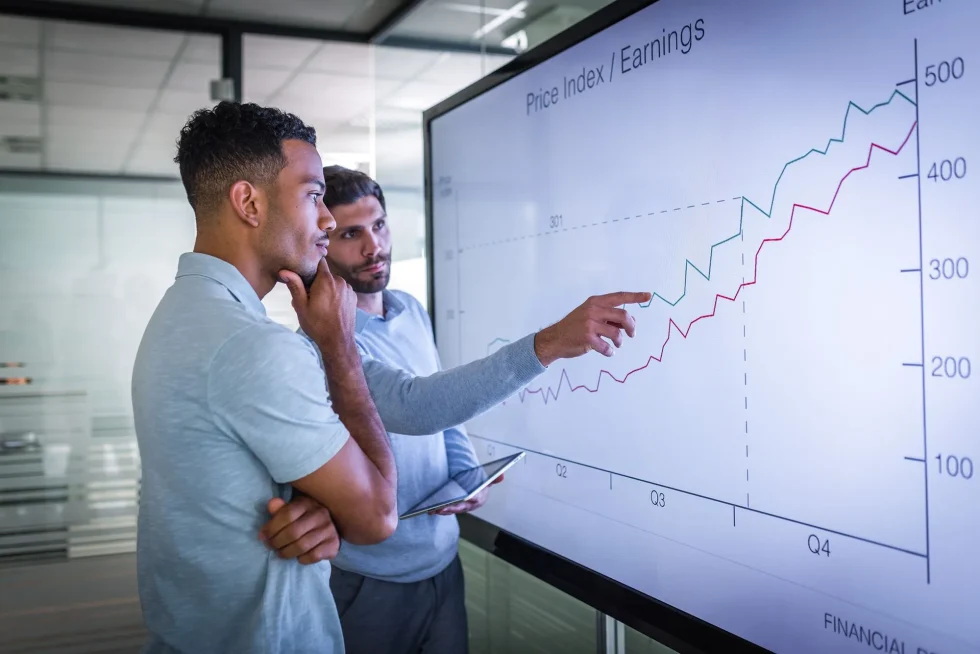
Earlier this week, trading platforms in Lisbon experienced a software glitch that replaced standard financial charts with humorous meme graphs. Investors logging in to monitor stocks and indices were greeted with cats wearing business suits, line graphs shaped like dancing llamas, and tokens skyrocketing into fictional space scenarios.
Public Reaction
Social media immediately lit up with screenshots of the meme charts. Investors joked about using the cat graphs to predict market trends, while some financial bloggers created tutorials on “interpreting meme-based market signals.” Though initially concerning, the incident quickly became a source of laughter and satirical commentary.
Humor Meets Serious Finance
While the charts were accidental, analysts highlighted the unintended educational value. The memes encouraged younger audiences to engage with stock market trends and financial concepts, even if through humor. Investors used the situation to discuss risk, market volatility, and the sometimes unpredictable nature of trading, drawing a subtle parallel between meme unpredictability and real-world finance.
Economic and Cultural Impact
The incident also reflected Lisbon’s digital-savvy financial culture, where humor and technology intersect. Brokers and trading platforms reported increased engagement from clients, while cafés and coworking spaces became discussion hubs for meme-based investment humor. The event demonstrated how playful approaches can foster community interaction around serious economic topics.
Memes and Digital Assets
Although the charts were comical, discussions around digital assets, including stablecoins and memecoins, naturally surfaced. Observers speculated on how cryptocurrencies could be represented in meme form for educational or entertainment purposes, adding an additional layer of humor and financial literacy to the conversation.
Conclusion
Lisbon’s accidental meme charts illustrate the city’s ability to blend finance with humor. While investors were momentarily confused, the incident highlighted how playful, meme-driven engagement can make financial topics more approachable. It also reinforced the role of digital culture in shaping conversations about markets, technology, and economic trends, proving that even mistakes can become memorable lessons in both finance and fun.