A wave of strikes across Portugal, Italy, Spain, and France is highlighting how labor disruptions in one country can quickly affect the wider European economy. What were once largely domestic industrial actions are now creating cross border consequences for travel, trade, and supply chains. The interconnected nature of the EU means the impact no longer stops at national boundaries.
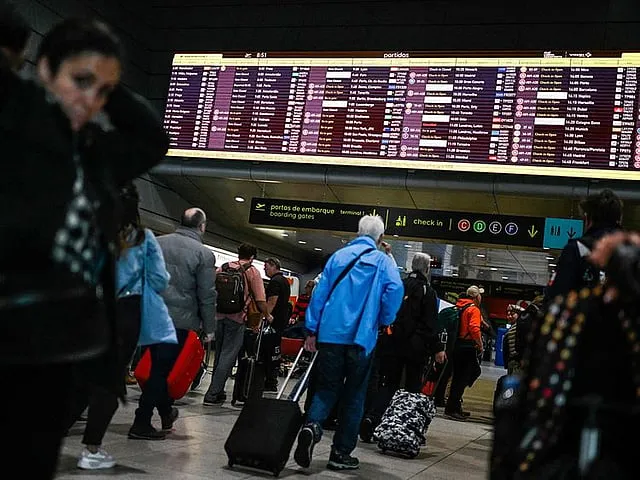
In Portugal, nationwide strikes have disrupted transport services, public administration, and key infrastructure. Airport delays, reduced public transit, and service slowdowns have affected both residents and international visitors. Tourism, a major pillar of the Portuguese economy, has felt immediate pressure as travelers face cancellations and uncertainty.
Italy has seen repeated strike action in transport, logistics, and public services. Rail and airline disruptions have caused knock on delays for freight and passenger movement across southern Europe. Italian ports and manufacturing hubs play a vital role in European supply chains, amplifying the wider economic impact.
Spain has also experienced strike activity affecting airports, rail networks, and public sector services. With Spain acting as a key tourism and trade gateway between Europe, Africa, and Latin America, disruptions have extended well beyond its borders. Airlines and logistics firms have been forced to adjust schedules across multiple countries.
France, long known for large scale labor action, has again seen strikes impact transport and energy services. Disruptions to rail and fuel distribution have affected cross border freight flows into neighboring states. French infrastructure is central to European transit routes, making stability there critical for regional commerce.
The cumulative effect of these strikes is becoming increasingly visible in European markets. Airlines face higher costs from rerouting and compensation, while logistics firms report delays and operational inefficiencies. Investors are closely watching how prolonged disruption could influence earnings in transport, tourism, and retail sectors.
Supply chains have proven particularly sensitive. Delays at ports, borders, and rail hubs slow the movement of goods across the continent. Even short disruptions can create backlogs that take weeks to clear, affecting manufacturing schedules and inventory levels across multiple EU states.
Businesses are responding building more flexibility into operations. Some firms are diversifying routes, increasing buffer stocks, or adjusting staffing models. However, these measures often come with higher costs that may eventually be passed on to consumers.
From a policy perspective, the strikes underline broader economic tensions across Europe. Rising living costs, wage pressures, and public spending constraints remain key drivers of labor unrest. Governments are balancing fiscal discipline with demands for higher pay and improved working conditions.
The European Union has limited authority over national labor disputes, but the cross border impact is prompting renewed discussion about coordination. Policymakers are exploring how to strengthen resilience in critical transport and logistics networks. Ensuring continuity of essential services is increasingly seen as a shared European concern.
Tourism dependent regions are particularly vulnerable. Southern European economies rely heavily on smooth travel flows, especially during peak seasons. Repeated disruptions risk damaging Europe’s reputation as a reliable destination for global travelers.
Despite the challenges, analysts note that European economies have shown resilience. Markets have so far absorbed the disruptions without major volatility. However, prolonged or escalating strike action could change that outlook.
Ultimately, the current wave of strikes demonstrates how deeply interconnected Europe has become. Labor disputes in one country now have continental consequences. As economic pressures persist, managing these ripple effects will be a growing challenge for governments, businesses, and policymakers across the EU.