The global A.I. boom has accelerated once again, with companies unveiling faster models, heavier investments and new applications that are reshaping entire industries. Markets are racing to keep up as innovation pushes forward at an extraordinary pace. Yet even as the technology advances, public concern continues to grow, creating a widening gap between rapid progress and lingering unease.
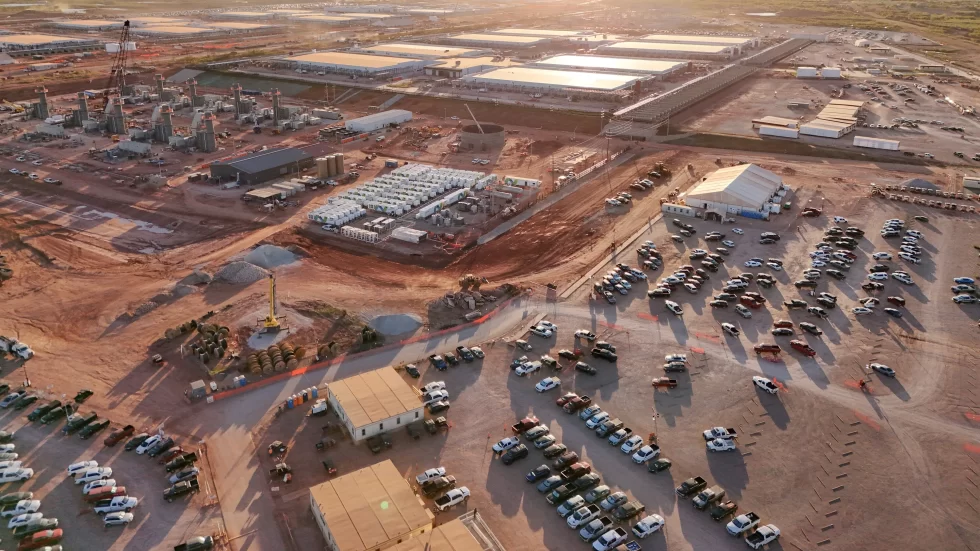
A major driver of this renewed momentum is the surge in computing power. Tech companies are pouring unprecedented sums into specialised chips and vast data infrastructures designed to train ever more capable systems. The scale of investment suggests that A.I. has moved from an experimental tool to a central pillar of long term corporate strategy.
Despite this enthusiasm, many people feel unsettled about the speed of development. Concerns range from job displacement to data privacy and the risk of misinformation. The sense of uncertainty increases each time a new system surpasses previous performance, raising questions about how societies can adapt to such fast moving change.
Economists warn that the labour market might face a period of tension as automation expands into new sectors. While A.I. could generate opportunities in engineering, research and digital services, it may also reduce the need for certain administrative and routine tasks. This dual impact is fueling unease among workers who are unsure how their roles may evolve.
Businesses themselves also share a different kind of anxiety. The heavy capital required for A.I. development places enormous pressure on companies to show meaningful returns. Firms must balance the need to innovate with the risk of overspending on technology that evolves so quickly it can become outdated within months.
Governments meanwhile are racing to design regulations that protect citizens without stifling innovation. Policymakers are exploring rules for transparency, safety testing and responsible deployment. However, public trust remains fragile as people question whether oversight can keep pace with technological breakthroughs.
Another layer of worry arises from the broader social impact. A.I. systems are increasingly shaping decisions in healthcare, education, hiring and public services. Citizens want assurances that these tools are fair, unbiased and used in ways that respect human dignity. The emotional distance between technological capability and social comfort continues to widen.
Still, many experts argue that the new phase of the A.I. boom offers significant promise. Improved scientific discovery, medical breakthroughs, smarter energy systems and more efficient supply chains could deliver meaningful benefits. The challenge is ensuring that society advances alongside the technology rather than feeling overwhelmed it.
As the A.I. boom shifts into higher gear, the world is grappling with excitement and unease in equal measure. Innovation is not slowing down, but neither are the questions it raises. The next stage of progress may depend not only on faster systems but on building confidence, transparency and clear safeguards that allow people to embrace the future without fear.