Short Intro:
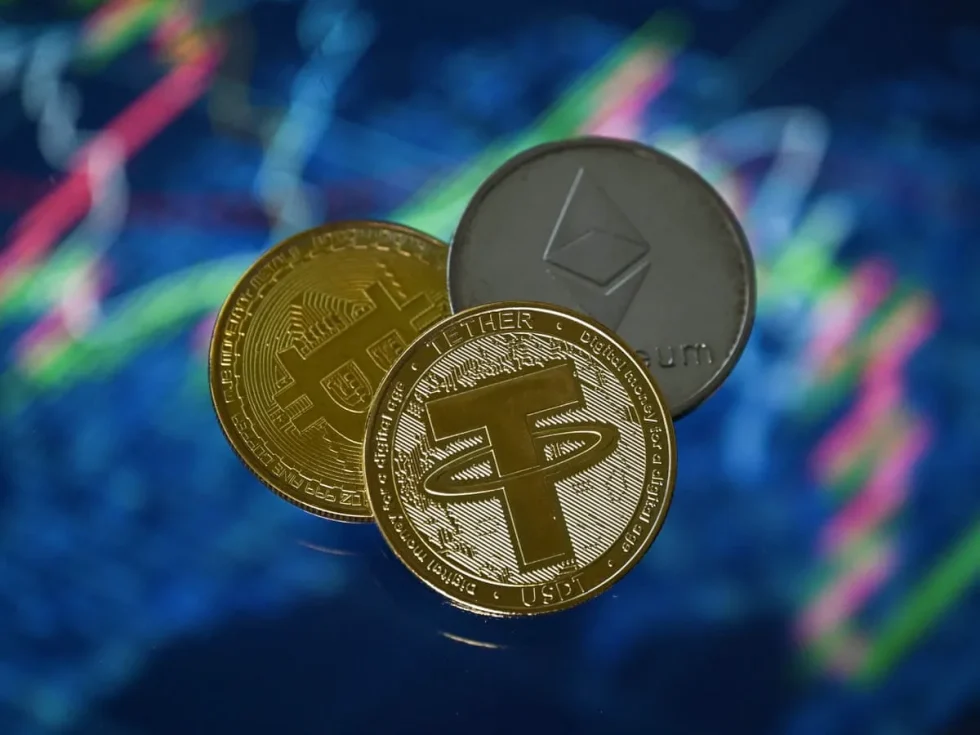
Stablecoins, cryptocurrencies pegged to traditional assets like the US dollar or euro, have gained significant attention in global finance. Lisbon traders, crypto enthusiasts, and meme creators are debating whether stablecoins offer security in volatile markets or introduce new risks disguised as stability.
Body:
Stablecoins were created to provide cryptocurrency users with a reliable medium of exchange, avoiding the extreme volatility seen in Bitcoin and other digital assets. In Lisbon, traders use stablecoins for remittances, payments, and cross-border transactions, appreciating the convenience and relative predictability. Social media buzz includes memes joking that one could pay for an entire Lisbon café in stablecoins without checking the price first.
Major stablecoins like USDT, USDC, and BUSD dominate the market, facilitating billions in daily transactions. Lisbon cafés and co-working spaces report crypto-savvy customers occasionally paying for coffees and pastries with stablecoins, turning mundane payments into playful experiments. Meme creators illustrate this humor with digital euros and dollars flying from phones into espresso cups.
Despite their appeal, stablecoins are not without risk. Some rely on centralized reserves and third-party audits to maintain their peg. Concerns about transparency, regulatory compliance, and potential liquidity crises have arisen, especially in cases where reserves were questioned. Lisbon traders joke about stablecoins suddenly “becoming unstable,” creating viral memes depicting floating coins losing their peg mid-air.
Stablecoins have also become integral to decentralized finance and cross-border transactions. Traders use them to move funds quickly, hedge against volatility, and access international markets. Lisbon fintech startups explore integrating stablecoins into e-commerce, remittance services, and financial products, blending practical utility with playful meme culture.
Regulators worldwide are watching stablecoins closely. Policies to ensure transparency, reserve adequacy, and anti-money laundering compliance are being implemented. Lisbon traders speculate whether stricter regulation will stabilize the market or reduce the freedom and accessibility that initially made stablecoins attractive. Memes about “central bankers chasing digital dollars” highlight public skepticism and humor simultaneously.
The growth of stablecoins also affects investor behavior. They provide a safe haven during market downturns, allowing crypto holders to exit volatile positions without converting back to fiat. Lisbon traders often joke that stablecoins are like digital life jackets, keeping wallets afloat amid stormy crypto markets.
However, critics warn that stablecoins may introduce systemic risks. Large-scale redemptions, regulatory changes, or reserve mismanagement could impact market stability. Lisbon communities balance optimism with caution, educating traders and enthusiasts through workshops, online tutorials, and meme-filled social media content.
Conclusion:
Stablecoins occupy a unique place in the cryptocurrency ecosystem. Lisbon traders, investors, and meme creators are exploring their benefits and risks, highlighting both their practicality and their potential pitfalls.
While stablecoins offer a sense of stability in volatile markets, transparency, regulatory oversight, and informed usage remain crucial. Lisbon continues to embrace both the financial utility and meme culture surrounding stablecoins, demonstrating that even serious finance topics can be approached with creativity, humor, and cultural engagement.