Growing frustration reignites the toll debate
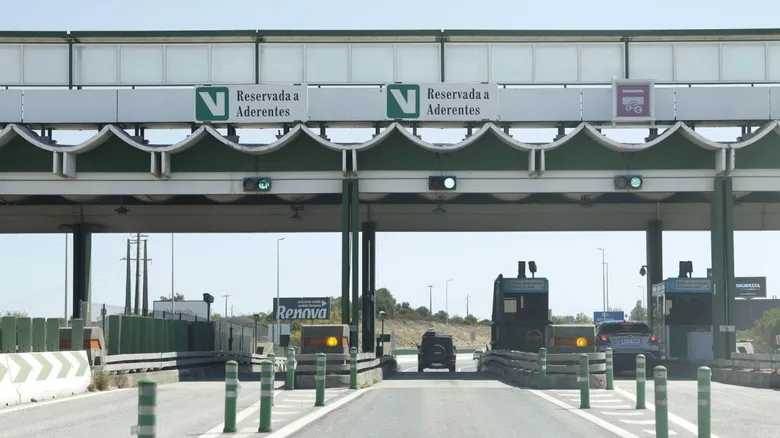
The debate over road tolls has resurfaced with renewed intensity on the south bank of the Tagus, as thousands of drivers gathered to protest against charges at the Quinta da Queimada junction. The junction, which links the A33 motorway to the IC32, has become a focal point for public anger over transport costs that many commuters argue are unfair and economically damaging.
For residents and workers who rely on this route daily, the toll is seen as an unavoidable expense rather than a discretionary cost. Protesters say the charge disproportionately affects those who live outside central urban areas and depend on private vehicles due to limited public transport alternatives.
Why this toll has become a flashpoint
The Quinta da Queimada junction plays a critical role in connecting residential zones with employment hubs, commercial areas, and essential services. Thousands of vehicles pass through the area each day, making it one of the most heavily used access points on the south bank.
Drivers argue that the toll effectively penalizes routine mobility, especially for workers who must commute during peak hours. Many protesters point out that alternative routes are either significantly longer or already congested, leaving motorists with little practical choice but to pay the fee.
Economic pressure on households and businesses
Rising living costs have amplified public sensitivity to transport expenses. Fuel prices, vehicle maintenance, and insurance costs have already placed strain on household budgets. The toll adds another recurring expense, which accumulates over time for frequent users.
Small businesses and self employed workers have also joined the protest movement. Delivery drivers, tradespeople, and service providers say toll charges directly increase operating costs, which are often passed on to customers or absorbed as reduced income. Protesters argue that this undermines local economic activity and competitiveness.
Public transport limitations fuel discontent
A central theme of the protests has been the lack of viable public transport alternatives. While authorities have encouraged the use of collective transport, many residents say existing services do not meet their needs in terms of frequency, coverage, or reliability.
For workers with early starts, late finishes, or jobs in areas poorly served buses or trains, private vehicles remain the only realistic option. Protesters argue that charging tolls in areas with limited alternatives amounts to a mobility tax rather than a tool for traffic management.
Calls for fairness and policy review
Demonstrators are not only calling for the removal of the toll but also for a broader review of road pricing policies. Many argue that toll systems should reflect income levels, availability of alternatives, and the economic role of specific routes.
Some campaigners have suggested exemptions or discounts for local residents, frequent users, or essential workers. Others are calling for toll revenues to be transparently reinvested in local infrastructure and public transport improvements, which they say would help justify the charges.
Political pressure and local response
The scale of the protest has increased pressure on local and national authorities to respond. While officials acknowledge public concerns, they also point to contractual obligations and funding structures linked to motorway management.
Local representatives have called for dialogue between concessionaires, government bodies, and community groups to explore possible solutions. However, protesters remain skeptical, citing past debates that failed to produce meaningful change.
A wider national conversation on mobility
The protest at the Quinta da Queimada junction reflects a wider national discussion about mobility, equity, and infrastructure funding. As commuting patterns evolve and cost of living pressures persist, road tolls are increasingly viewed through a social and economic lens rather than purely as transport policy.
For now, protesters have vowed to continue demonstrating until their concerns are addressed. Whether this renewed pressure will lead to policy changes remains uncertain, but the scale of the mobilization suggests that the issue is unlikely to fade quietly.