Introduction
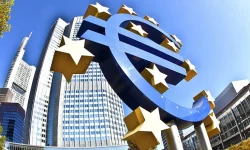
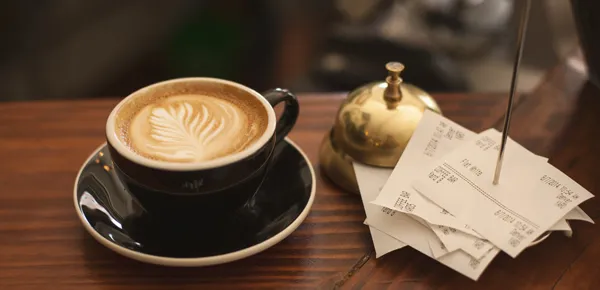
Brussels, The European Union is facing inflation so wild that even Gen Z meme accounts are weeping in Excel spreadsheets. Prices have skyrocketed, making coffee, avocado toast, and rent feel like luxury investments. According to unofficial but highly relatable data from Twitter threads and TikTok skits, an average latte now costs roughly the same as a week’s supply of instant noodles. Meanwhile, euro-crunching bureaucrats insist everything is “under control,” as if holding a €50 note makes a cappuccino taste cheaper.
Latte Economics and Meme Panic
Inflation in the EU has reached levels that inspire new meme categories:
- “I wanted a small coffee. Now I need a small loan. #EUInflation”
- “Avocado toast = €12. My soul = priceless. #GenZEconomics”
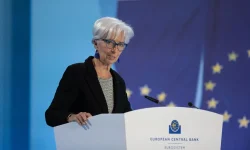
Experts cite energy costs, supply chain issues, and “people actually wanting to buy stuff” as drivers. Memes blame the European Central Bank (ECB) for printing euros using Canva templates because why not? The humor is bitter, but painfully accurate.
In Portugal, locals joke that buying bread now requires a side hustle in Dogecoin or selling viral TikTok dances. “I paid €4 for a croissant. That’s fine. My student loans? Not so much. #LisbonLife”
ECB Hires TikTok Influencers
In a move straight out of a parody, the ECB allegedly hired TikTok influencers to explain inflation using dance challenges. Sources from viral tweets suggest:
- Inflation = “Cha Cha Slide”
- Interest rates = “Renegade shuffle”
- Economic growth = “Savage Love spin”
This satirical take on monetary policy highlights a real frustration: young citizens feel alienated from traditional economic reporting. TikTok humor becomes the bridge between incomprehensible policy announcements and everyday reality.
Local cafes report customers asking for “inflation-adjusted menus,” where the price of espresso automatically scales to their bank balance. Meme commentary:
- “Barista: Your espresso costs €3.50. Me: That’s $3.50 in Dogecoin, right? #CryptoEconomics”
- “ECB is now trending as a TikTok dance. I’m not mad, I’m impressed. #GenZFinance”
Surviving the Inflation Apocalypse
Gen Z Lisbonites are innovating to survive:
- Meme-Powered Budgeting: Using meme templates to track expenses.
- Side Hustles: Selling NFT art, TikTok tutorials, and ironic t-shirts for extra cash.
- Alternative Currencies: Bartering with crypto, pizza slices, or leftover pastel de nata.
Exaggerated social media tips include “Sell your soul for a coffee” and “Invest in memes before they inflate too.” Despite the comedy, these reflect a genuine concern over rising living costs.
Fake or Real Poll
How are you coping with EU inflation?
- Paying in memes and hope
- Accepting crypto as a solution
- Cutting coffee intake dramatically
- Moving to a country with cheaper avocado toast
Tweetboard – Gen Z Reactions
- “I paid €5 for a coffee. I now own half a small car. #EUInflation”
- “ECB announced inflation is ‘under control.’ Under control of what? My tears? #GenZFinance”
- “Energy bills so high, my room is now classified as a sauna. #LisbonProblems”
- “Just bought a croissant. Had to sell a kidney. #MemeEconomics”
- “I can’t adult. Can I pay in TikTok dances? #InflationCrisis”
Conclusion
EU inflation is no longer an abstract economic concept; it’s a lived experience, amplified through memes, TikTok dances, and sarcastic tweets. Coffee shops, grocery stores, and apartments all reflect the absurdity of pricing, while Gen Z turns the crisis into viral content.
In Lisbon, inflation has become both a comedy and a tragedy, where espresso costs more than logic allows, avocado toast fuels existential dread, and TikTok dances may be the most valuable currency of all. Surviving EU inflation in 2025 requires humor, creativity, and the occasional Dogecoin investment.