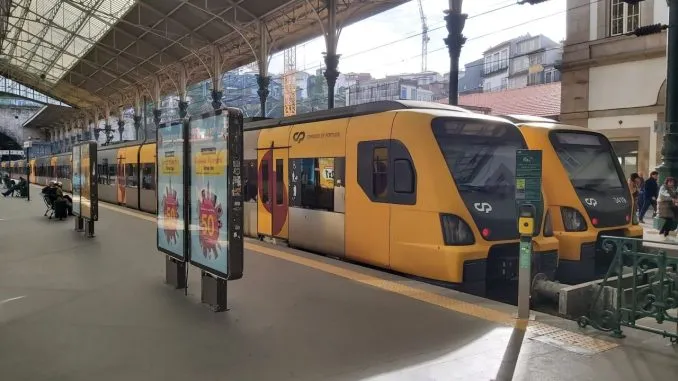
Portugal experienced widespread transport disruption on Friday as a general strike affected services across the country. Commuters faced delays and cancellations as workers from multiple sectors participated in the stoppage. The strike was organised in response to ongoing debates around wages, working conditions and public sector investment, with unions calling for stronger government action.
Rail services were among the most affected, with regional and long distance routes reporting significant interruptions. Urban rail lines in Lisbon and Porto also operated on reduced schedules, creating heavy congestion during peak travel hours. The national rail operator warned passengers to expect delays throughout the day and encouraged the use of alternative transport where possible.
Public bus and tram networks also reported operational challenges. In Lisbon, reduced staffing led to longer waiting times and irregular service frequencies across several key routes. Porto and Coimbra saw similar impacts, with transport authorities working to maintain essential coverage despite limited personnel. Taxi and ride hailing services experienced higher demand as travellers sought alternative options.
Airports across the country faced smaller but still noticeable delays. Ground services and airport transport crews were partially affected, prompting airlines to adjust schedules. While major flights continued to operate, passengers were advised to arrive early and prepare for longer processing times. Airport officials emphasised that essential international operations were being prioritised.
The strike also affected road travel, as increased private vehicle use led to heavier traffic around major cities. Motorists in Lisbon encountered slowdowns on the A5, A2 and inner ring roads during the morning hours. Traffic authorities urged drivers to plan routes in advance and monitor real time updates throughout the day.
Unions leading the strike stated that the action was aimed at drawing attention to rising living costs and pressure on public services. They argue that workers across transport, healthcare and education have been facing persistent strain and require stronger wage support. Government representatives acknowledged the concerns but emphasised ongoing negotiations and the need to balance public finances with economic stability.
Despite the disruption, essential services continued to operate at reduced capacity in accordance with national requirements. Emergency transport and critical mobility routes were maintained to ensure that key public needs were met throughout the strike period.
Analysts note that Portugal has seen increasing labour mobilisation over the past year as economic pressures challenge both workers and policymakers. The transport disruption highlights the impact that national strikes can have on daily life and the broader economy.
As services gradually resume, authorities and unions are expected to continue dialogue on future measures. The general strike underscores the central role transport plays in Portugal’s social and economic landscape, and the importance of ongoing discussions to ensure long term stability for both workers and the public.