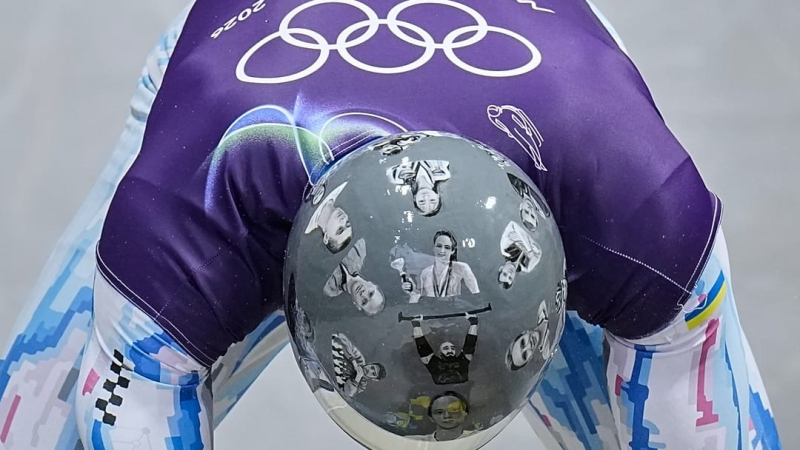
Ukrainian skeleton racer Vladyslav Heraskevych has been disqualified from competing at the 2026 Winter Olympics in Milano-Cortina after the International Olympic Committee ruled that his helmet design violated competition rules.
Heraskevych had planned to compete wearing a custom made helmet featuring portraits of Ukrainian athletes who have died since Russia’s full scale invasion in 2022. The helmet did not include slogans or overt political symbols, but the IOC determined that it could not be used during official competition.
In a statement, the IOC said that despite multiple exchanges and in person meetings, the athlete did not agree to a compromise. According to the committee, officials were keen for Heraskevych to take part in the Games and proposed that he wear a black armband during competition as a way to commemorate the fallen athletes.
The IOC said the issue was not about the message itself but about where and how it was displayed, emphasizing that Olympic competition venues are subject to strict neutrality rules. The committee noted that facilities such as multifaith centres and designated mourning spaces had been made available in the Olympic Village for athletes wishing to express grief.
Heraskevych responded publicly, writing that there are things more important than medals and describing the decision as the price of dignity. He was disqualified before his first run in the men’s skeleton event.
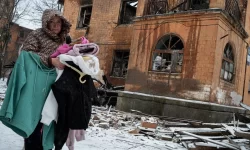
The decision sparked strong reactions in Ukraine. Foreign Minister Andrii Sybiha criticised the IOC’s ruling, saying the athlete had sought only to honour fellow sportspeople killed in the war. He stated that hundreds of Ukrainian athletes and coaches have died since 2022 and that many sports facilities across the country have been damaged.
The controversy has extended beyond skeleton. Ukrainian freestyle skier Kateryna Kotsar said her helmet was barred because it featured the phrase Be Brave like Ukrainians. Short track speed skater Oleh Handei reported that an inscription on his helmet quoting a Ukrainian poet was also prohibited after being interpreted as political.
The IOC has consistently applied rules that restrict political statements, gestures or symbols during Olympic competition, aiming to maintain what it describes as neutrality at the Games. However, the enforcement of those rules often draws scrutiny when global conflicts intersect with international sport.
The disqualification of Heraskevych has added to tensions surrounding the participation and representation of athletes affected geopolitical disputes at major sporting events. As the Milano-Cortina Winter Olympics continue, the debate over expression, remembrance and neutrality in sport is likely to remain in focus.