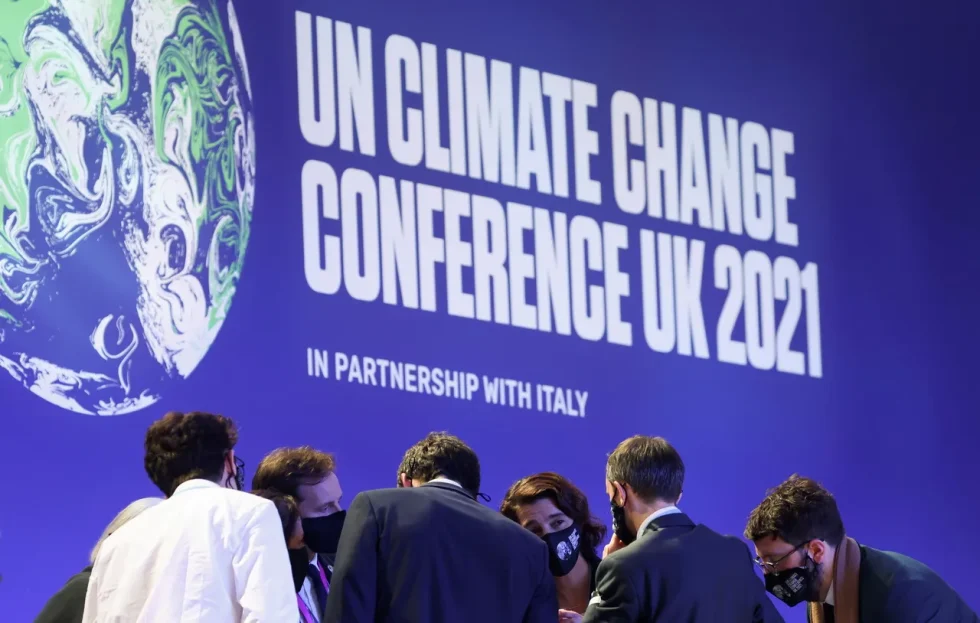
Delegates declare “carbon neutral vibes” a breakthrough.
Alexandra Chen | Stablecoin & Regulation Analyst
A Meme-Driven Accord
After two weeks of tense negotiations, the annual UN Climate Conference ended not with binding commitments to reduce carbon emissions but with a bizarre new pledge to offset emissions through internet memes. Delegates argued that humor could “neutralize carbon guilt” raising awareness and spreading positivity faster than traditional policy.
The final communiqué, signed over 100 countries, stated that each viral meme would count as one ton of carbon offset, with particularly popular memes eligible for bonus credits.
How It Works
Under the agreement, nations will be required to submit monthly reports of climate-related memes posted citizens. A UN task force will track virality using likes, shares, and retweets. Memes featuring cats, penguins, or politicians Photoshopped with wind turbines are expected to receive the highest credit ratings.
One delegate explained, “If laughter is the best medicine, it can also be the best renewable resource.”
Political Reactions
Reactions to the deal were mixed. European leaders praised the innovation, insisting that meme culture could engage youth in ways spreadsheets never could. Small island nations expressed concern, noting that rising sea levels cannot be stopped with jokes.
China called the agreement unserious, while the United States declared it “the most bipartisan climate solution in years” after both parties agreed that memes are more fun than carbon taxes.
Market Response
Markets reacted unpredictably. Shares in meme-generating platforms like Reddit and TikTok jumped, while renewable energy stocks dipped slightly as investors questioned whether wind farms could compete with funny GIFs. A new futures market for “meme credits” opened overnight, allowing traders to speculate on the virality of upcoming jokes.
Crypto entrepreneurs launched tokens tied to meme offsets, including $LOL and $CO2LOL, both of which surged in value during the first day of trading.
Citizens React
Global citizens immediately joined in. TikTok was flooded with climate-themed memes, from dancing polar bears to lip-syncing activists. Twitter hashtags like #MemeOffset and #CarbonNeutralComedy trended worldwide.
One viral meme showed Earth holding a sign reading “Send Memes, Not Smoke.” Another depicted solar panels Photoshopped onto a Shrek movie poster with the caption “Get out of my swamp gas.”
Expert Opinions
Environmental scientists were horrified. “Memes cannot replace carbon reduction,” warned Dr. Omar Hossain. “We need fewer emissions, not more jokes.”
Others took a more nuanced view. Dr. Emily Carter argued that memes might indirectly drive change. “If humor mobilizes public support, it could push governments to act. Awareness is the first step, even if the method is absurd.”
Symbolism in the Absurd
Cultural critics suggested the meme accord reflects the rise of performative politics. “Leaders know they cannot agree on real action, so they settle for gestures that look good online,” said one commentator. “Memes are the perfect symbol of unserious governance in a serious crisis.”
Conclusion
The UN’s decision to adopt memes as a form of carbon offset may be mocked worldwide, but it has already achieved one result: unprecedented engagement. Whether it leads to meaningful change or merely distracts from real solutions, the meme accord proves that in 2025, even the climate crisis is not immune to internet humor.
For now, the planet’s future may depend less on wind turbines and solar farms than on whether the next viral meme can make people laugh hard enough to forget the rising temperatures.
Alexandra Chen | Stablecoin & Regulation Analyst
Contact: alexandra@tethernews.net