A group of key United Nations member states has warned that violence carried out Sudan’s Rapid Support Forces in the city of al-Fashir bears the hallmarks of genocide, intensifying international concern over the escalating conflict in Darfur.
In a joint statement delivered at the UN Human Rights Council, the foreign ministers of Germany, Ireland, the Netherlands, Norway and the United Kingdom concluded that actions attributed to the Rapid Support Forces amount to war crimes and crimes against humanity. The statement said the pattern and scale of abuses suggest characteristics associated with genocidal acts.
The remarks were circulated the German foreign ministry following discussions in Geneva. The five countries, often referred to as the Sudan core group at the council, said they intend to form a broader coalition aimed at preventing further atrocities and strengthening international accountability efforts.
Al-Fashir, the capital of North Darfur, has become a focal point of fighting between the Rapid Support Forces and the Sudanese army. The conflict, which erupted in 2023, has displaced millions across Sudan and driven large numbers of refugees into neighbouring Chad and other countries in the region.
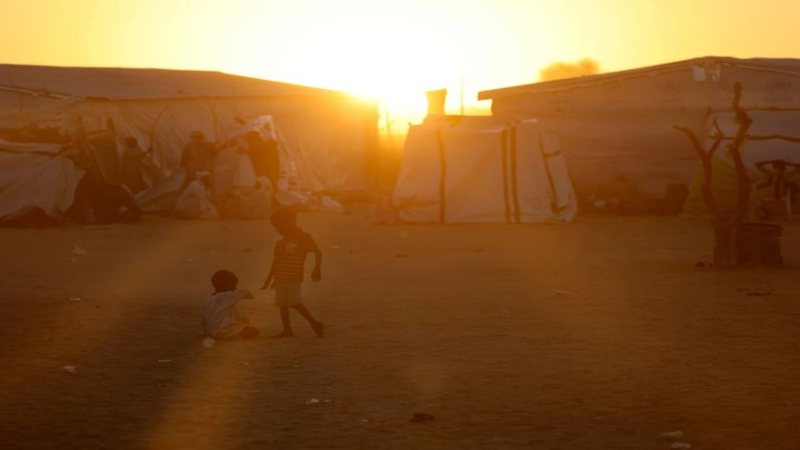
Humanitarian organisations have repeatedly warned of deteriorating conditions in Darfur, citing reports of targeted attacks on civilians, destruction of homes and obstruction of aid deliveries. Refugee camps along the Chad Sudan border have seen a steady influx of families fleeing violence in al-Fashir and surrounding areas.
The UN Human Rights Council has previously mandated investigations into alleged violations committed during the conflict. The latest statement from the five European nations underscores growing alarm among Western governments about the severity of abuses and the risk of further mass violence.
While the Rapid Support Forces have denied accusations of systematic targeting of civilians in past statements, international observers say the humanitarian toll continues to mount. Access constraints and security risks have limited independent verification in some areas, complicating documentation efforts.
The foreign ministers emphasised the need for coordinated diplomatic pressure and renewed efforts to protect civilians. They indicated that future steps could include enhanced monitoring mechanisms and support for international legal processes aimed at accountability.
Sudan remains deeply divided, with ongoing clashes between rival military factions undermining political transition efforts and worsening economic collapse. International mediation attempts have so far failed to secure a durable ceasefire.
The formation of a coalition Germany, Ireland, the Netherlands, Norway and the United Kingdom signals an intention to keep Sudan high on the international agenda amid competing global crises. Diplomatic discussions are expected to continue at the United Nations in the coming weeks as member states assess further action.