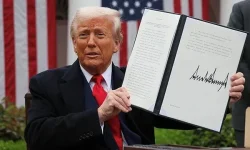
51% say “raise it”, 49% swipe up for “print more money.”
Alexandra Chen | Stablecoin & Regulation Analyst
Democracy in a Swipe
In a historic first, the United States Congress decided to replace its traditional floor debates on the debt ceiling with Instagram Story polls. Instead of fiery speeches and midnight sessions, lawmakers turned to their smartphones and asked millions of followers a simple question: “Should we raise the debt ceiling?”
The results were immediate and polarizing. Fifty-one percent voted to raise it, while forty-nine percent chose the option to “print more money.” The razor-thin margin left Washington scrambling to interpret emojis, swipes, and gifs as official legislative guidance.
Chaos on Capitol Hill
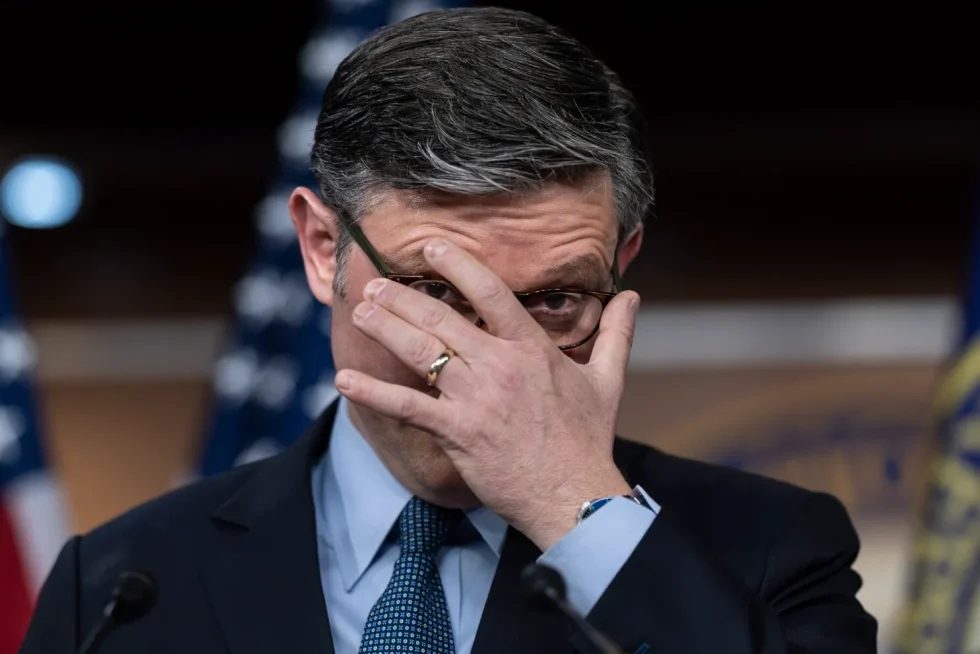
Sources confirmed that the Speaker of the House struggled to present the poll results with a straight face, as screenshots of members of Congress applying cartoon filters circulated online. Senators reportedly argued over which emojis counted as valid votes. One aide revealed that a single crying-laughing emoji could tip a trillion-dollar policy.
The White House press briefing room descended into farce when journalists demanded to know if a GIF of SpongeBob panicking meant fiscal austerity or a stimulus package.
Market Mayhem
Wall Street responded instantly. Treasury yields spiked when analysts misread a heart emoji as a signal of approval for unlimited borrowing. The Dow dropped 400 points after thousands of users spammed “Send it to the moon, triggering algorithmic trading bots to interpret it as bullish debt issuance.
Crypto traders, however, celebrated the chaos. A meme coin called $SWIPEUP gained 700 percent in value after influencers declared it the official token of congressional fiscal policy.
Lawmakers Embrace the Format
Some lawmakers praised the shift as the ultimate form of direct democracy. “Why waste hours in session when a swipe can solve the problem?” asked one Representative. Another proudly declared he had added a “music sticker” to his poll for better engagement.
Not everyone was amused. Critics warned that the new system eroded centuries of democratic process. “This is not governance, it’s content creation,” complained Senator Elizabeth Warren, who reluctantly voted using a Boomerang video.
International Reactions
World leaders reacted with a mix of disbelief and envy. The UK Parliament debated whether to adopt TikTok duets for future budget announcements. Canada suggested using Snapchat filters to visualize deficits. China, unimpressed, declared: “Our debt levels are managed through serious planning, not emojis.”
Meanwhile, Russia posted its own Instagram Story mocking the US poll, asking followers whether America should “collapse now or later.”
Social Media Meltdown
The polls quickly went viral. Celebrities joined the frenzy, with influencers urging followers to “vote for vibes.” Pop stars posted selfies with the caption “raise it, babes,” while YouTubers launched campaigns to “print money for the clout.”
Reddit’s r/politics exploded with threads debating whether disappearing stories should be considered binding legislation. One top comment read: “Imagine losing the global reserve currency because someone forgot to screenshot the results.”
The Deeper Meaning
Though comical, the event exposed the fragility of modern governance. outsourcing decisions to social media platforms, policymakers risk reducing serious economic debates to popularity contests. Yet some argue the chaos reflects the reality of public sentiment better than staged hearings.
Dr. Emily Carter observed:
“When you reduce fiscal policy to a swipe, you also reveal how much of politics has already become a meme economy. The line between government and content has fully dissolved.”
Conclusion
The US debt ceiling crisis has long symbolized political dysfunction, but the Instagram Story episode took the spectacle to new heights. Whether it was a desperate attempt at engagement or a genuine experiment in digital democracy, the outcome was the same: trillions of dollars decided emojis, gifs, and swipes.
For now, the only certainty is that future generations may remember 2025 as the year America was governed tapping on a screen.
Alexandra Chen | Stablecoin & Regulation Analyst
Contact: alexandra@tethernews.net