The United States is preparing to raise tariff rates to 15 percent or higher for certain trading partners, according to US Trade Representative Jamieson Greer, marking a new phase in Washington’s evolving trade policy.
Speaking in media interviews, Greer confirmed that the current 10 percent tariff level imposed under temporary measures could be increased for selected countries. While he did not name specific nations, he indicated that rates may vary depending on trade practices and ongoing investigations. The White House is reportedly preparing a formal proclamation to adjust the tariff structure where deemed appropriate.
Greer also stated that there are no plans to increase tariffs on Chinese goods beyond existing levels ahead of an upcoming visit President Donald Trump to China. He emphasised that the administration intends to maintain the current trade framework with Beijing rather than escalate duties further.
The proposed tariff adjustments follow a recent Supreme Court ruling that invalidated earlier emergency measures, prompting the administration to introduce replacement tariffs under Section 122 of the Trade Act of 1974. These temporary duties took effect at a baseline rate of 10 percent earlier this week.
According to Greer, the administration’s broader strategy will rely heavily on Section 301 investigations into alleged unfair trade practices. These probes can target countries accused of building excess industrial capacity, providing government subsidies, engaging in forced labor practices or discriminating against US companies. New investigations are expected to examine Indonesia’s trade policies, particularly in areas such as fisheries subsidies and industrial output.
Greer noted that tariff measures are being structured to remain compatible with existing trade agreements. He said the administration aims to ensure legal durability, anticipating potential court challenges from foreign governments or private sector interests affected the duties.
In addition to Section 301, officials are reviewing other longstanding trade statutes. Section 232 national security investigations and Section 338 of the Tariff Act of 1930 were referenced as possible tools under certain circumstances. Section 338 allows tariffs of up to 50 percent on imports from countries that discriminate against US trade.
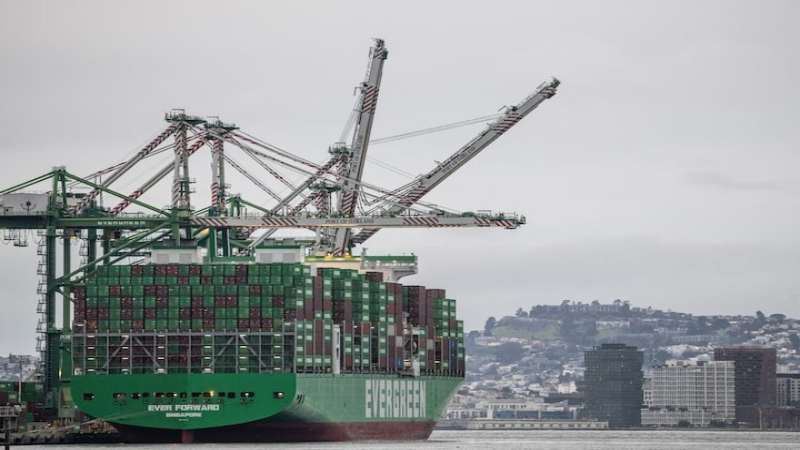
Financial markets are closely monitoring the developments. Shipping activity at major US ports, including Oakland, has already reflected adjustments in supply chains as companies respond to shifting tariff structures. Economists caution that higher duties could influence global trade flows, commodity prices and inflation dynamics, particularly if key export driven economies are affected.
The administration has framed the tariff strategy as part of a broader effort to address structural trade imbalances and protect domestic industries. As implementation details emerge, global trading partners are likely to assess their exposure and consider diplomatic or legal responses within international trade frameworks.