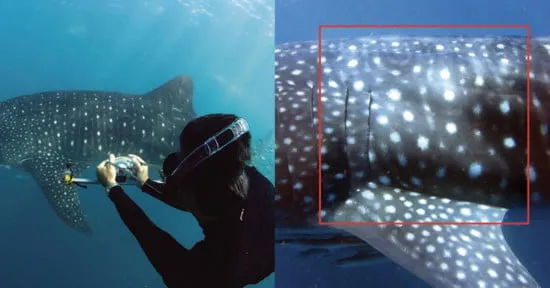
The world of crypto trading is never short on surprises, but this time the unexpected came straight from the ocean. A popular crypto whale-tracking platform found itself going viral after users realized one of its alert bots had spent two full hours following a literal whale drifting calmly across the Atlantic instead of a major investor shifting millions. What began as a technical glitch quickly became an online spectacle, as traders and marine biologists alike weighed in with amusement.
Many users initially believed the bot was detecting an unusually slow, mysterious crypto whale wallet taking an odd route through exchanges. Only later did the truth emerge: a mislabeled satellite feed had sent data from a tagged blue whale migrating near the Azores. The incident left people laughing, confused, and strangely impressed that a marine giant had briefly become the most-watched “investor” in the crypto space.
How a Crypto Whale Became a Real Whale
The most important part of the story is how the mix-up even happened. According to the platform’s engineering team, a third-party data provider temporarily cross-routed tracking identifiers between a satellite marine monitor and the crypto analytics dashboard. As a result, movement patterns meant for conservation researchers were read as large-scale token transfers. The bot generated alerts every few minutes, making traders believe a huge holder was making slow but deliberate moves.
For a short time, analysts tried to interpret the strange pattern. Some believed a major investor was distributing assets in tiny increments. Others thought it was a stealth accumulation strategy. No one expected the tracked entity to be a sixteen-meter-long mammal drifting peacefully through open waters. Once the platform revealed the truth, social media erupted, and screenshots of “mysterious whale activity” turned into memes overnight.
Traders React With Humor and Concern
As crypto enthusiasts discovered that the supposed investor was a real animal, reactions ranged from laughter to frustration. Many joked about needing “marine analysis indicators” or “oceanic liquidity charts.” Others pointed out how easily automated trading tools can create confusion when they rely too heavily on external feeds without verification.
Some traders admitted they made small trades during the alert window, convinced something big was happening. Even though the sums were minor, the incident sparked fresh discussions about bot dependency. With crypto markets moving rapidly, users often rely on automated alerts to stay ahead. When those alerts misfire, even in harmless ways, it highlights the risk of reacting without pausing to check the source.
Marine Biologists Join the Conversation
Unexpectedly, marine biologists became part of the frenzy. Several researchers recognized the tracking signature and confirmed it matched a tagged blue whale migrating near Portugal. They were delighted to see public interest spike in whale conservation, even if the context was unintentional. Some joked that the whale had briefly become the most influential “market mover” of the day.
The mix-up also led to renewed conversations about ocean tracking programs. Scientists explained how satellite tags help monitor migration routes and health patterns. The crossover moment brought education to a space usually filled with charts, tokens, and liquidity pools. A few conservation groups even thanked the platform for the accidental publicity.
What This Incident Says About Data Reliability
While humorous, the situation raised important questions about how much trust traders place in automated platforms. Crypto markets thrive on data, but not all data is equal. A simple misclassification can spread rapidly across dashboards, social media, and trading groups. This time, the error resulted in laughter. In another situation, confusion could lead to real financial decisions being made on faulty information.
The platform has since updated its systems and added new safeguards to prevent unrelated satellite telemetry from slipping into analytics feeds. They reassured users that no actual investor activity was misinterpreted and that the whale was unaffected the digital chaos it accidentally caused.
Conclusion
The accidental tracking of a real blue whale as a crypto whale offered a rare moment of lighthearted fun in a fast-paced financial world. It reminded traders how easily data can be misread and how important verification is before acting on alerts. In the end, the incident created a surprising bridge between crypto enthusiasts and marine scientists, proving that even the ocean can play a part in market humor.