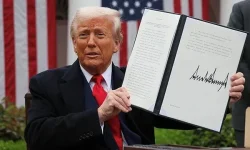
The waiter keeps the original copy as a tip.
Alexandra Chen | Stablecoin & Regulation Analyst
A Diplomatic Dinner Gone Wrong
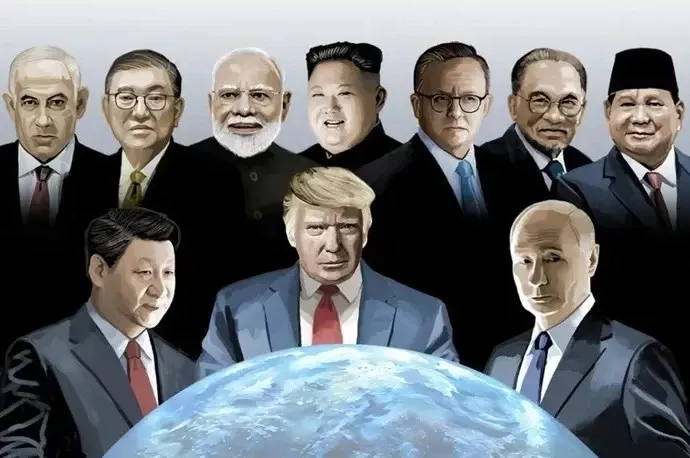
In an incident blending comedy with history, world leaders accidentally signed a peace treaty on the back of a restaurant menu during a late-night summit dinner. The agreement, intended to resolve a decades-long border dispute, was drafted hastily after officials realized they had left official paperwork in a locked briefcase at the hotel.
With tensions running high, a quick-thinking aide grabbed the nearest piece of paper: a laminated menu from the restaurant’s “Chef’s Specials.” Leaders scrawled signatures next to listings for spaghetti carbonara and tiramisu.
How It Happened
The blunder unfolded at an upscale bistro where the summit’s closing dinner was being held. After hours of negotiation, leaders finally agreed on terms. But when the treaty was ready to be signed, no official stationery was available. The maitre d’, eager to help, handed over a stack of menus.
The treaty was signed between “Seafood Platter for Two” and “Seasonal Risotto.” The waiter, realizing the historical moment, kept the original copy as his tip, later posting a selfie with it on social media.
Governments rushed to print formal versions the next morning, but the menu quickly went viral as “the tastiest treaty in history.”
Market Reactions
Markets responded with bemused optimism. Stock indices in the involved nations rose slightly as investors celebrated the resolution of tensions, regardless of the paper it was written on.
Meme traders launched tokens like $MENU and $CARBONARA, skyrocketing in popularity. Collectors speculated that the menu itself could fetch millions at auction, calling it the “Monetary Mona Lisa of treaties.”
One hedge fund manager remarked, “We used to worry about oil and borders. Now we worry about whether a treaty comes with dessert.”
Public Response
The public reaction was immediate and hysterical. TikTok is filled with parodies of leaders signing contracts on napkins and pizza boxes, hashtags like #MenuDiplomacy and #TiramisuTreaty trending worldwide.
One viral meme showed a diplomat raising a wine glass while signing under “Happy Hour Cocktails.” Another depicted a general saluting the phrase “Chef Recommends.”
Citizens in the nations involved celebrated with themed dinners, restaurants printing limited-edition copies of the treaty menu. Some joked that it was the first peace deal people could literally order for lunch.
Political Fallout
Governments scrambled to spin the incident. A European commissioner called it “a symbol of pragmatism.” U.S. lawmakers ridiculed it, arguing that national security should not hinge on restaurant stationery.
The restaurateur defended his establishment, proudly renaming one dish “Diplomatic Risotto.” Bookings at the restaurant surged, with tourists eager to dine where history was served alongside pasta.
Meanwhile, rival nations mocked the fiasco. One spokesperson declared, “If treaties can be signed on menus, perhaps wars can be fought over dessert choices.”
Expert Opinions
Economists weighed in with amusement. Dr. Omar Hossain criticized the spectacle. “Global stability should not depend on tableware. This trivializes diplomacy and undermines trust.”
Dr. Emily Carter countered with a symbolic perspective. “While absurd, the moment reflects the informal reality of negotiation. Deals are struck over meals more often than in sterile boardrooms. The menu simply made visible what has always been true.”
Historians suggested the menu might become a cultural artifact, joining the Magna Carta and the Treaty of Versailles in importance, though more appetizing.
Symbolism in the Absurd
Cultural critics argued that the treaty-on-a-menu incident symbolizes the human side of diplomacy. “Leaders eat, argue, and compromise like everyone else,” one columnist wrote. “The menu is a reminder that politics is rooted in the everyday.”
Satirists thrived. Cartoons showed future history textbooks with restaurant menus in place of treaties. Comedy shows imagined upcoming summits where leaders carry stacks of placemats instead of briefcases.
Conclusion
The accidental signing of a peace treaty on a restaurant menu may sound like parody, but it underscores a truth: diplomacy is often improvised. While the symbolism drew laughter, the outcome of peace was genuine.
In 2025, the path to stability may not lie in marble halls or golden pens, but in the margins of a menu scribbled with the promise of dessert.
Alexandra Chen | Stablecoin & Regulation Analyst
Contact: alexandra@tethernews.net