Markets sway to a choreography called “The Tightening Shuffle.”
Alexandra Chen | Stablecoin & Regulation Analyst
Dancing Into Policy
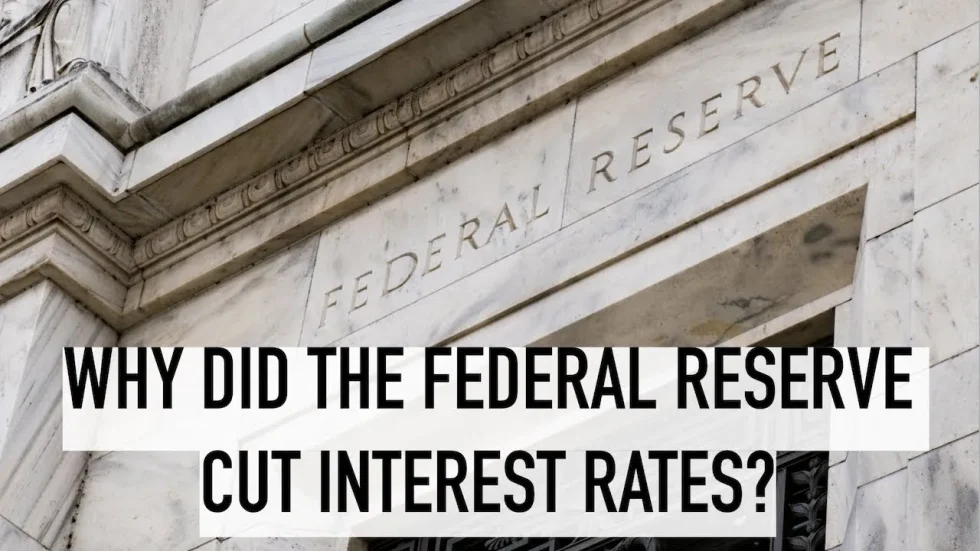
In a bold attempt to make monetary policy more accessible, the Federal Reserve unveiled its latest interest rate hike through a TikTok dance routine. Instead of a dry press release, Chair Jerome Powell appeared on screen alongside professional dancers, moving rhythmically to a remix of economic soundbites titled “Rates Going Up.”
The choreography, dubbed The Tightening Shuffle, featured moves symbolizing borrowing costs, balance sheets, and liquidity crunches. Each step was designed to communicate policy changes without technical jargon.
How It Worked
The video began with Powell performing a shuffle step, signaling a quarter-point hike. He then mimed pulling an invisible lever, representing credit tightening, while dancers twirled around him, holding oversized cardboard cutouts of dollar signs.
Captions explained the meaning of each gesture, and viewers were encouraged to duet the video to show their own “interest rate reactions.” The Fed confirmed that future policy decisions will be communicated through similar routines.
Market Reaction
Wall Street reacted with a mix of confusion and fascination. Stocks dipped briefly before stabilizing as traders debated whether Powell’s footwork indicated a cautious or aggressive stance.
Bond markets surged with activity, with analysts parsing every spin and clap for clues. “The double hand wave clearly meant long-term rates will stay elevated,” one strategist insisted. Meme traders launched a coin called $SHUFFLE, which spiked 400 percent during the first hour of trading.
Political Fallout
Lawmakers were divided. Some praised the Fed for finally engaging younger citizens. Others accused Powell of trivializing serious economic issues. “Dancing does not pay mortgages,” one senator declared during a heated committee hearing.
The White House cautiously endorsed the effort, noting that TikTok engagement with fiscal policy had never been higher.
Public Response
Citizens embraced the novelty. TikTok was flooded with duets of teenagers performing The Tightening Shuffle while complaining about student loan rates. Twitter hashtags like #RateDance and #PowellShuffle trended worldwide.
One viral clip showed a grandmother dancing in her kitchen, with the caption: “Explaining inflation to my kids.” Another user edited Powell’s routine into Fortnite, turning the interest rate hike into an in-game emote.
Expert Opinions
Economists were sharply divided. Dr. Omar Hossain criticized the move as unserious. “Policy requires clarity and seriousness, not choreography,” he argued.
Dr. Emily Carter suggested the experiment revealed new ways of communicating economics. “Monetary policy is abstract and intimidating. If a dance gets millions of people to think about interest rates, then it has achieved something textbooks cannot.”
Cultural Significance
Cultural critics argued that the event reflects a broader trend of blending governance with entertainment. “We live in an age where memes and dances carry as much influence as speeches,” said one commentator. “The Fed is simply adapting.”
Some even suggested that future rate cuts could be announced through softer routines, such as a waltz or slow-motion sway, while hikes could be symbolized energetic jumps.
Conclusion
The Federal Reserve’s TikTok dance has blurred the line between economics and entertainment. While markets remain skeptical of interpreting policy through choreography, the experiment has undeniably increased public engagement.
Whether it becomes a new era of transparent communication or a meme that fades quickly, one fact is clear. In 2025, global finance may be decided not only in boardrooms but also on dance floors.
Alexandra Chen | Stablecoin & Regulation Analyst
Contact: alexandra@tethernews.net