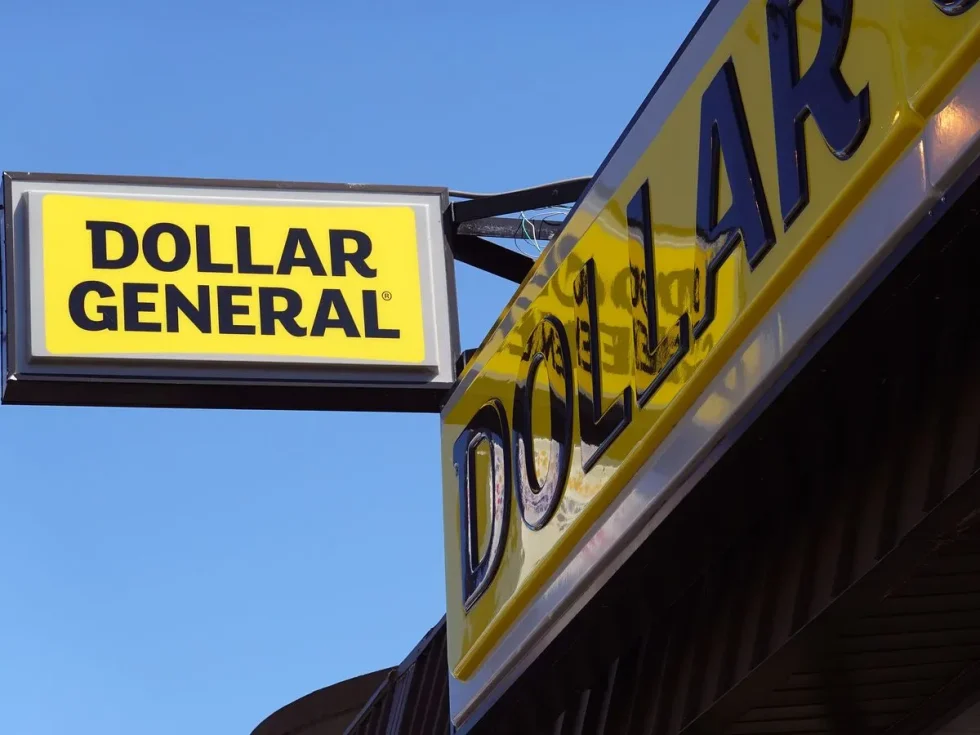
Branding mix-up sparks panic among bargain hunters.
A Rebrand Gone Wrong
Shoppers across America were left in shock this week after a national chain of dollar stores accidentally rebranded itself as the “Hundred-Dollar Store.” The mistake occurred during a routine marketing update when a misplaced zero turned a budget-friendly brand into a luxury retailer overnight.
Confused customers walked in expecting cheap deals on household goods but were greeted clerks explaining that dish soap now costs one hundred dollars. “I thought it was a joke,” said one shopper. “Then I saw the price tag on a toothbrush and nearly fainted.”
How It Happened
The rebranding error was traced to a digital design team that mistakenly multiplied all price points 100. Instead of fixing the glitch immediately, management decided to run the promotion for one week as an “experiment in premium discounting.”
Posters proudly displayed slogans such as “Everything’s Just $100!” and “Luxury Living for Everyday People.” Unfortunately, sales plummeted as customers realized they could no longer buy groceries without taking out personal loans.
Market Reactions
Investors initially panicked, sending the company’s stock tumbling. Analysts worried the rebrand might alienate loyal bargain hunters. But luxury retailers expressed concern too, fearing competition from a chain suddenly positioned as an ultra-expensive lifestyle brand.
Meanwhile, meme coins like $HUNDO and $PRICETAG surged, as traders mocked the incident speculating on “inflation-proof tokens.”
Public Response
Citizens reacted with outrage and humor. TikTok creators filmed themselves holding up $100 packs of gum with captions like “The true cost of inflation.” Twitter hashtags like #HundredDollarStore and #ZeroTooMany trended globally.
One viral meme showed a shopper asking for a refund in gold bars, while another depicted Monopoly money as “the only acceptable currency” for the store.
Political Fallout
Lawmakers used the fiasco as proof of broader economic struggles. “When a toothbrush costs $100, you know the system is broken,” said one senator. Another called for investigations into “predatory pricing practices masquerading as typos.”
Meanwhile, regulators considered whether stores should be legally required to cap branding errors at “reasonable multipliers.”
Expert Opinions
Economists were divided. Dr. Omar Hossain argued the incident highlighted how fragile consumer trust is. “One error in pricing can collapse a business model overnight,” he said.
Dr. Emily Carter suggested the mistake was symbolic. “In many ways, everything already feels like it costs a hundred dollars. The rebrand only made that perception literal.”
Conclusion
The Hundred-Dollar Store experiment may be remembered as a humorous blunder, but it also revealed the fragility of brand identity and consumer expectations. What began as a misplaced zero turned into a satire of inflation, luxury culture, and the absurdity of modern retail.
For now, shoppers may never trust a “dollar store” sign again without double-checking the fine print.