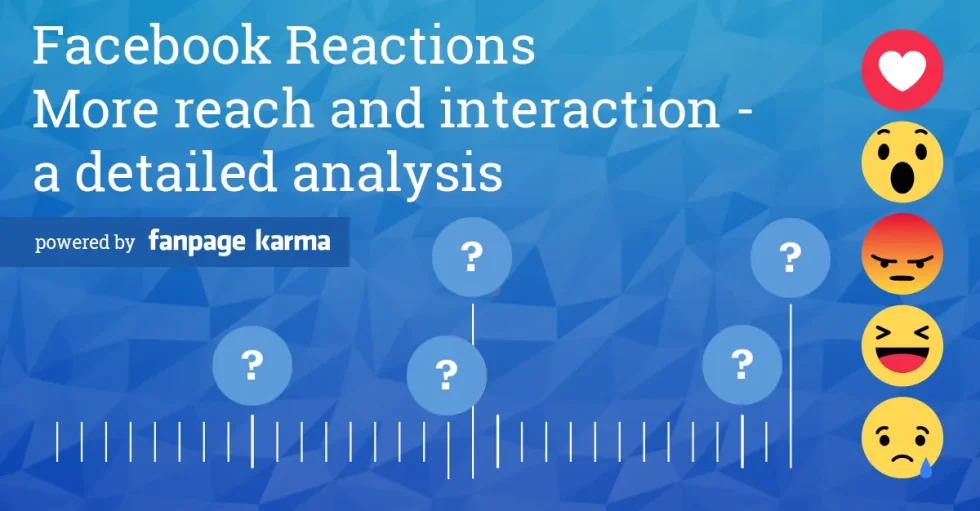
Users no longer click “Like” but project thoughts directly.
Alexandra Chen | Stablecoin & Regulation Analyst
A New Era of Social Interaction
Facebook has rolled out a controversial update allowing users to express reactions via mind-reading technology. Instead of clicking “Like,” “Love,” or “Angry,” users now transmit their thoughts directly to posts, comments, and ads using neural sensors embedded in compatible devices.
The feature, dubbed ThoughtWave, leverages non-invasive brain-computer interfaces (BCIs) that interpret neural patterns and convert them into digital reactions. Facebook claims the system is designed to enhance emotional authenticity and reduce miscommunication common with traditional emojis.
How ThoughtWave Works
Users must wear a lightweight headband or connect via a compatible VR headset. The device measures electrical activity in the brain and matches patterns with a predefined set of reactions.
Early demonstrations showed users thinking “this is funny” and seeing the post automatically receive a laughing emoji, or imagining “I’m concerned” and triggering a worried face. The platform has emphasized privacy safeguards, stating that thoughts are only converted into visible reactions when a user consciously authorizes them.
Public and Market Reactions
The rollout prompted immediate debate. Many users praised the technology as revolutionary, claiming it bridges the gap between emotion and expression. Enthusiasts shared viral clips of friends reacting instantly to memes without lifting a finger.
However, privacy advocates raised concerns. Questions emerged about data security, potential for unintended mind-reading, and the ethical implications of commercializing thoughts. Some users reported feeling pressure to project positive emotions, fearing negative thoughts might inadvertently be shared.
Investors were initially intrigued. Facebook’s stock rose as the innovation was hailed as a step toward immersive social networking and advanced AI integration. Tech suppliers of BCIs and neural sensors experienced spikes in demand, signaling potential growth in the neurotech sector.
Technical Challenges
Despite its promise, ThoughtWave faces several hurdles. Neural decoding is not perfect, and misinterpretations of mental states have already been reported. Some users complained that their intended sarcasm was recorded as literal approval, causing awkward interactions.
Engineers acknowledged that environmental factors, such as background noise and electrode placement, affect signal accuracy. Continuous calibration is required to maintain consistency, especially in crowded or mobile settings.
Regulatory Concerns
Governments and regulators are examining the social and ethical implications. The European Union initiated a review of neural data protection, citing potential violations of cognitive privacy rights.
Legal experts argue that traditional social media regulations may be insufficient. One analyst explained, “We are entering uncharted territory where thoughts become digital assets. Current laws around data consent and digital expression need immediate revision.”
Expert Opinions
Dr. Emily Carter, a behavioral economist, stated, “This is not just a tech issue, it’s a social experiment on a massive scale. Human behavior online is already complex, and mind-reading reactions could amplify both positive and negative social dynamics.”
Dr. Omar Hossain, a neuroethics consultant, added, “Even with opt-in safeguards, the mere existence of such technology can alter how people think and communicate. There’s a psychological weight to knowing your thoughts can become visible.”
Symbolism in the Absurd
Cultural critics suggest that Facebook’s move illustrates the blurred line between digital life and human cognition. Reactions, once an outward social signal, are now directly extracted from inner thought processes.
Satirical commentators joked that misunderstandings will no longer be blamed on tone or intent; they’ll be attributed to faulty neural decoding. Others highlighted the potential for meme culture to evolve into a mind-reading spectacle, with reactions becoming literal reflections of collective consciousness.
Conclusion
Facebook’s ThoughtWave feature represents a radical shift in online social interaction. While it promises enhanced authenticity and novel engagement, it also raises unprecedented questions about privacy, ethics, and psychological well-being.
For users, it transforms the act of reacting into a mental exercise; for regulators, it signals a frontier requiring careful oversight. As 2025 unfolds, social media may become not only a space for sharing content but also a conduit for broadcasting cognition itself.
Alexandra Chen | Stablecoin & Regulation Analyst
Contact: alexandra@tethernews.net