Introduction
Montenegro’s economy has been experiencing impressive growth, with the latest figures showing a 3.2% increase in GDP. While this marks a positive trend, some economists are questioning whether this growth is sustainable or simply a result of short-term factors that won’t translate into long-term stability. As the country navigates its path through a rapidly changing global economy, the question remains: is Montenegro’s growth a sign of a thriving economy, or just a blip in a much bigger pict
Overview of Montenegro’s Economic Performance
Montenegro, a small yet strategically located country in Southeast Europe, has reported a 3.2% increase in GDP growth for the past year. This marks an encouraging trend following the economic challenges brought on the COVID-19 pandemic. According to government officials, the growth is driven several key sectors, including tourism, agriculture, and a growing tech industry.
Despite the positive numbers, questions linger about the sustainability of such growth, especially given Montenegro’s reliance on external factors like international tourism and trade. With the global economy still recovering from the pandemic and facing new risks like inflation and geopolitical tensions, some wonder whether Montenegro’s growth is built on solid foundations.
Key Growth Drivers
The primary drivers of Montenegro’s economic recovery include:
- Tourism: As one of the country’s most important sectors, tourism has rebounded significantly post-pandemic. The Adriatic coast continues to attract tourists, particularly from Europe, bolstering local economies and creating jobs.
- Agriculture: Montenegro’s agricultural exports, including wine, olives, and seafood, have seen an uptick in demand, especially from neighboring EU countries.
- Tech and Innovation: In recent years, Montenegro has been slowly positioning itself as a growing hub for technology and digital innovation. Startups and tech companies are beginning to take root, contributing to a more diversified economy.
While these sectors have shown promise, experts caution that Montenegro’s economy is still vulnerable to external shocks. The heavy reliance on tourism, which is often impacted global crises, means that the country’s growth could be volatile.
Challenges and Concerns
Despite the positive growth figures, Montenegro faces several challenges that could undermine its long-term economic stability:
- Over-reliance on Tourism: While tourism is a major economic driver, it also makes Montenegro susceptible to global disruptions like pandemics, geopolitical tensions, and changes in consumer behavior.
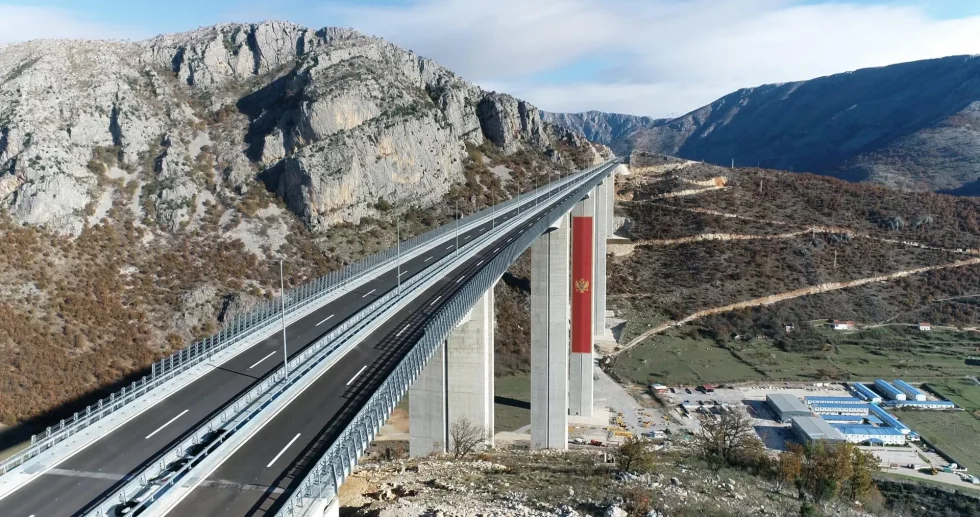
- External Debt: Montenegro has accumulated significant external debt, much of which is tied to large infrastructure projects. If these projects fail to generate the expected returns, the country could face financial instability.
- Labor Market and Youth Unemployment: While the economy is growing, youth unemployment remains high, and many young Montenegrins are seeking opportunities abroad. This “brain drain” could limit the country’s potential for sustainable growth in the future.
These challenges pose real risks to Montenegro’s ability to maintain consistent growth. The government will need to address these issues while continuing to foster a diversified economy to avoid relying too heavily on any one sector.
Global Economic Environment
Montenegro’s economic performance is also influenced broader global economic trends. Rising inflation, supply chain disruptions, and energy price volatility are affecting many European countries, including Montenegro. The ongoing war in Ukraine has also impacted global trade and has led to increased energy prices, which could hurt Montenegro’s already fragile economy.
On the other hand, Montenegro’s EU integration process continues, albeit slowly. Being a candidate for EU membership offers the country potential economic benefits in the future, including access to funding and trade opportunities. However, the pace of this integration remains uncertain, and the country’s political and economic reforms will need to align with EU standards for it to fully benefit from membership.
The Role of Foreign Investment
Foreign investment plays a crucial role in Montenegro’s economy, particularly in sectors like real estate, infrastructure, and tourism. While the country has attracted investors, particularly from Russia, the Middle East, and China, it remains vulnerable to external economic shifts. For example, fluctuations in oil prices, sanctions, and changes in global demand for tourism can significantly affect investor confidence.
The Montenegrin government is working to create a more favorable investment climate, with reforms aimed at improving business transparency and reducing corruption. However, the country still faces challenges related to bureaucratic inefficiency and political instability, which can deter long-term investors.
A Balanced Growth Strategy
For Montenegro to ensure its growth is sustainable, it will need to focus on a few key areas:
- Diversifying the Economy: Moving away from a heavy reliance on tourism and diversifying into sectors like tech, renewable energy, and manufacturing will help stabilize the economy.
- Investing in Education and Workforce Development: Addressing the issue of youth unemployment and improving educational opportunities will ensure that Montenegro can cultivate a skilled workforce to support its evolving industries.
- Strengthening Infrastructure: Continuing investment in infrastructure projects that promote long-term economic sustainability is crucial. These investments should be carefully planned to ensure they contribute to the overall economic growth.
Future Outlook
Montenegro’s economic growth will likely continue in the short term, driven its key sectors. However, the real question is whether this growth can be sustained in the face of global challenges and internal structural issues. With the right policies and investments, Montenegro has the potential to transition into a more diversified and resilient economy.
Conclusion
Montenegro’s 3.2% GDP growth is undoubtedly a positive sign, but the country must address its challenges if it hopes to maintain long-term economic stability. The reliance on tourism, external debt, and the risks posed global economic conditions could limit future growth unless the country takes steps to diversify and invest in its future. For now, Montenegro’s economy remains on a delicate path, one that will require careful navigation to ensure that growth is not just a temporary spike but a lasting trend.