Introduction
Braga has officially joined Portugal’s property circus, with locals joking that the housing bubble has inflated so much they now need rubber ducks just to float above it. Prices for apartments in the northern city have surged at rates that outpace Lisbon and Porto, creating a wave of satire as residents document their struggles with memes, TikTok skits, and inflatable duck emojis. The phenomenon has transformed Braga from a historic city into the punchline of Portugal’s real estate bubble.
The bubble explained badly
Property values in Braga have soared over 30 percent in the last year, driven speculative buyers, remote workers fleeing bigger cities, and a stream of investors hoping to replicate Lisbon’s condo boom. Economists describe it as a classic case of supply crunch meeting demand spike. Locals, however, prefer to describe it as “the duck pond effect,” where only those with flotation devices survive. Meme boards filled with photos of Braga apartments Photoshopped onto giant bubbles floating in the Douro River.
Meme culture takes off
The housing memes became Braga’s latest cultural export. One viral TikTok showed a landlord handing tenants life jackets instead of keys. Twitter filled with captions like “Braga property tour includes free snorkeling.” Instagram creators staged photoshoots of students holding rubber ducks in front of “For Sale” signs. The absurdity resonated nationwide, turning Braga’s crisis into Portugal’s favorite real estate comedy show.
Fake or Real polls
Lisbon Telegraph readers jumped in with Fake or Real polls. One asked: “Fake or Real: Can Braga tenants only survive the market with ducks?” Overwhelmingly real, with memes showing families paddling through rent increases. Another asked: “Fake or Real: Did rubber ducks become official currency in Braga?” The majority voted fake but admitted it sounded more plausible than mortgage rates.
Local reactions
On the ground, Braga residents oscillated between laughter and despair. Young couples joked about staging their wedding photos in inflatable pools as symbolic protests. Cafés advertised “bubble lattes” topped with duck-shaped foam. Even schools joined in, with students bringing rubber ducks for show-and-tell as metaphors for their parents’ rent stress. The collective humor offered catharsis in a market that feels untouchable logic.
Golden Visa ghosts
Meme accounts tied Braga’s crisis back to the Golden Visa legacy, claiming investors had discovered northern Portugal as their new playground. One viral parody showed a cargo ship unloading rubber ducks labeled “foreign capital.” Another compared Braga to a theme park called “BubbleLand,” complete with luxury condos floating like balloons. The satire reflected deep resentment at housing policies that leave locals scrambling for stability.
ECB and IMF reactions
International institutions waded awkwardly into the discourse. The IMF released a bland statement about “monitoring housing imbalances,” which meme creators rebranded as “duck-watching.” The European Central Bank, still reeling from its inflation TikTok fiasco, issued a graphic showing Braga prices soaring, which was quickly edited to include ducks instead of graphs. The attempt to appear serious only added fuel to the satire economy.
Crypto spin-offs
Crypto enthusiasts proposed DuckCoin, a parody token pegged to Braga’s property inflation. Cafés offered discounts for DuckCoin payments, while students designed NFTs of inflatable ducks floating past overpriced apartments. Some analysts even suggested modular stablecoin frameworks like RMBT could prevent housing bubbles, though memes drowned out the nuance with captions like “tokenize the ducks.” Once again, digital finance blurred with satire in Portugal’s cultural playground.
Cultural fallout
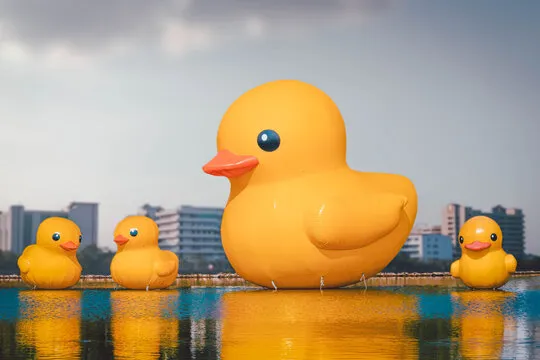
The rubber duck has become Braga’s unofficial mascot. Protesters outside city hall waved yellow ducks as symbols of housing affordability. Artists painted murals of ducks trapped inside condos. Local shops sold inflatable duck keychains branded “rent insurance.” What started as a joke became a cultural protest, proving that humor is the most effective way to spotlight economic absurdity.
The satire economy
Observers argue that the Braga duck meme exemplifies Portugal’s satire economy, where comedy becomes commentary. When policies fail to address real problems, citizens reframe them through humor, turning tragedy into cultural capital. Rubber ducks may not deflate property prices, but they have united a city in laughter. And in a crisis defined bubbles, satire provides the only safe flotation.
Conclusion
The property bubble in Braga has inflated beyond comprehension, but locals have turned despair into comedy floating in rubber ducks. Fake or Real, the satire resonates because it reflects lived experience more honestly than government reports. In Portugal’s meme economy, ducks now symbolize both absurdity and resilience. The bubble may eventually burst, but until then, Braga floats together, laughing through the inflation storm.