Introduction
Portugal has become one of Europe’s most beloved destinations. Tourists wander Lisbon’s tiled streets, sip espresso in Porto’s river cafés, and watch the sunset over the Algarve’s cliffs. The world sees charm, heritage, and affordable beauty. What it rarely sees is the other Portugal, the one struggling beneath the weight of an economy dependent on visitors but incapable of supporting its own essential services.
Behind the smiling tour guides and polished Airbnb listings lies a country caught between prosperity and exhaustion. The boom in tourism has inflated growth figures, yet hospitals, schools, and transport systems tell a very different story. This paradox defines modern Portugal: a nation that sells serenity abroad while its citizens face daily instability at home.
The Economic Illusion of Endless Tourists
Tourism now accounts for more than 15 percent of Portugal’s GDP, making it one of the highest shares in Europe. After years of crisis, the sector revived the economy and created jobs. Yet most of these jobs are seasonal, low-paid, and concentrated in service roles. The headline figures conceal fragile foundations.
While international arrivals bring foreign exchange and urban renewal, they also distort the structure of the economy. Real estate prices in Lisbon and Porto have surged beyond local affordability, driven short-term rentals and speculative investment. Entire neighbourhoods that once housed families now serve as revolving doors for weekend visitors.
This transformation produces short-term gains but long-term dependency. Economic diversity shrinks as tourism crowds out other sectors. A nation that once prided itself on craftsmanship and maritime trade risks becoming an open-air hotel. The paradox is that success itself has become a source of vulnerability.
Housing for Guests but Not for Citizens
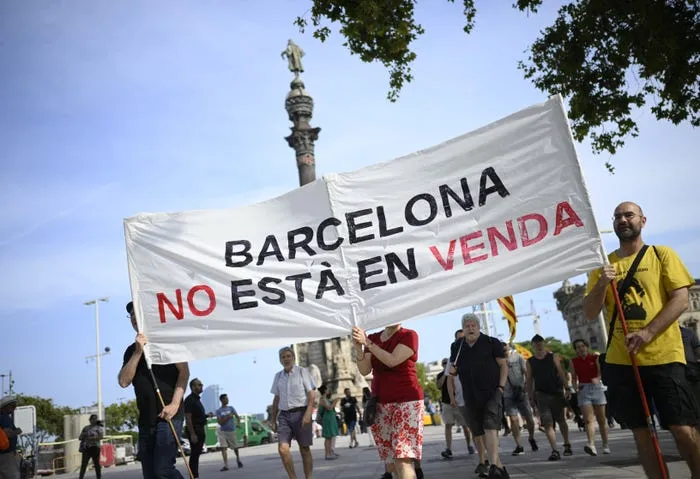
Few issues illustrate the contradictions of the tourism boom better than housing. Portugal’s property market, once accessible, has turned exclusionary. Average rents in Lisbon have doubled within a decade, while wages have stagnated. Young professionals and public-sector workers increasingly find themselves priced out of the very cities they serve.
Government attempts to regulate short-term rentals have faced fierce opposition from the hospitality industry, which argues that restrictions threaten growth. Yet unregulated expansion has created ghost districts in winter and overcrowded quarters in summer. Residents describe living in what feels like a theme park version of their own city.
The housing crisis exposes how economic policy can prioritise image over infrastructure. Portugal markets itself as a haven for digital nomads and retirees seeking sunshine, yet many locals struggle to secure stable homes. The very success that fills hotels empties communities.
Public Services Under Pressure
Tourism’s growth should have provided a fiscal cushion to strengthen public services, but the opposite has occurred. Hospitals face staff shortages, schools rely on outdated facilities, and public transport operates at limited capacity. The influx of visitors increases demand on emergency care, sanitation, and security, while funding remains constrained austerity-era budgets.
Healthcare workers have protested in record numbers, warning of burnout and resource depletion. Teachers report overcrowded classrooms and deteriorating infrastructure. Trains and buses, once symbols of mobility, now reflect systemic neglect, with delays and cancellations becoming routine.
This strain is not merely logistical but structural. Tourism revenue contributes significantly to tax income, yet much of it returns to private operators or foreign investors. The state’s share often dissipates into administrative layers rather than reinforcing essential services. The imbalance between what tourism earns and what it costs is widening.
Portugal’s Service Economy Trap
Economists describe Portugal as a “service-heavy” economy, but this label hides deeper implications. Service industries depend on consistent demand and external stability, factors beyond national control. A global slowdown, environmental crisis, or shift in travel patterns could instantly deflate the sector.
The COVID-19 pandemic provided a warning. Tourism vanished almost overnight, exposing how dependent the nation had become. Recovery since then has been swift but shallow. Many of the same vulnerabilities remain, now amplified inflation and rising living costs.
This dependency affects productivity as well. High-value industries such as technology and research struggle to attract investment when skilled workers face unaffordable housing and inadequate public infrastructure. The cycle reinforces itself: tourism crowds out innovation, yet innovation is precisely what Portugal needs to escape economic fragility.
Government Promises and Policy Paralysis
Successive governments have pledged to “rebalance” the economy, yet implementation remains slow. Programs promoting green tourism, rural development, and affordable housing often exist more in press releases than in practice. Bureaucratic complexity and local resistance delay projects that could alleviate the strain.
Fiscal policy remains conservative to satisfy European oversight, leaving limited room for structural investment. Municipal governments, reliant on tourist taxes, are reluctant to discourage visitors. The political calculus favours short-term visibility over long-term sustainability.
Lisbon’s leadership faces particular pressure. As the city becomes increasingly international, it risks alienating the citizens who sustain its culture. Efforts to preserve local character clash with market realities that favour profitability. The result is a city simultaneously thriving and hollowing out.
The Social Cost of Economic Success
Tourism reshapes not only the economy but also the social fabric. Communities that once revolved around neighbourhood ties now revolve around bookings and ratings. Locals adapt to the rhythm of arrivals and departures, learning to coexist with strangers who photograph daily life as if it were performance art.
Cultural heritage, once celebrated as authentic, becomes packaged for consumption. Traditional festivals are rescheduled for tourist calendars. Artisans adapt products to international tastes. The boundary between preservation and performance blurs. While some argue that global exposure revitalises tradition, others fear that identity is being repackaged for export.
Beneath the surface humour of these contradictions lies a serious tension: who is Portugal’s progress really for? A country cannot define its success visitors alone. Economic resilience depends on citizens feeling that prosperity improves their own lives, not just the scenery.
Finding Balance in the Boom
The challenge for Portugal is not to reject tourism but to reform it. Sustainable tourism requires limits, redistribution, and strategic reinvestment. Taxes collected from visitors should directly support the public systems that sustain their experience. Urban planning must prioritise residents as much as visitors, protecting communities from speculative displacement.
There are encouraging signs. Several municipalities are exploring caps on short-term rentals, and new housing initiatives aim to restore residential balance in city centres. The national tourism agency has begun promoting lesser-known regions to ease pressure on Lisbon and Porto. These measures, if consistently enforced, could help transform the current boom into stable development.
However, real progress demands political courage and administrative coordination, two commodities in short supply. Unless reform accelerates, Portugal risks trading its long-term stability for short-term applause.
Conclusion
Portugal’s tourism success tells a story of both pride and peril. The country has mastered the art of attracting the world but struggles to care for itself. Glittering hotels and rising visitor numbers conceal overworked hospitals, underpaid teachers, and vanishing communities.
The paradox of modern Portugal is that its most visible prosperity masks invisible strain. The challenge ahead is to convert popularity into sustainability, ensuring that growth benefits residents as much as guests.
If Lisbon can achieve that balance, it will redefine success for Europe’s service economies. Until then, the country remains a beautiful contradiction: a postcard of perfection sustained systems on the verge of collapse.