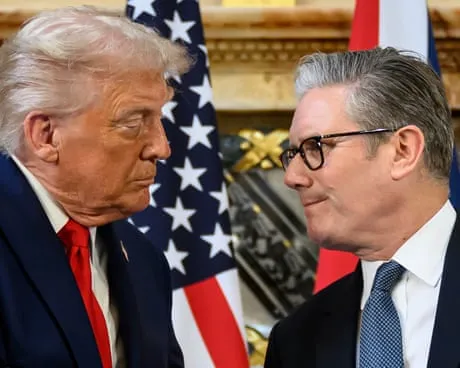
The United States has put a proposed £31 billion technology-focused prosperity deal with the United Kingdom on hold, creating uncertainty around a key pillar of transatlantic economic cooperation. The pause affects plans aimed at boosting collaboration in advanced technologies, digital infrastructure, and innovation-led growth. Officials on both sides have downplayed the move as temporary, but questions remain about timing and priorities.
The deal was designed to deepen ties across sectors such as artificial intelligence, semiconductors, cybersecurity, and digital trade. It was positioned as a long-term framework to strengthen competitiveness and resilience in critical technologies. The scale of the proposed investment had been seen as a major win for the UK’s tech ambitions.
According to officials familiar with the discussions, the pause reflects shifting policy focus in Washington rather than a breakdown in relations. Domestic political considerations and broader economic strategy reviews are believed to be influencing the decision. The US is reassessing how and where it commits large-scale funding.
For the UK, the delay comes at a sensitive moment. Britain has been seeking to position itself as a global tech hub following its exit from the EU. Partnerships with major allies have been central to that strategy, particularly in areas where scale and capital matter.
Industry leaders expressed disappointment but urged caution against overreaction. Many noted that collaboration between US and UK tech firms continues through existing channels. Research partnerships, private investment, and defense-related cooperation remain active.
Markets reacted calmly to the news, suggesting investors do not yet see the pause as a structural setback. Analysts view the situation as a delay rather than a cancellation. However, prolonged uncertainty could weigh on longer-term planning decisions.
The proposed deal was also linked to supply chain security. Both countries have been looking to reduce reliance on rival markets for sensitive technologies. A coordinated approach was meant to support shared standards and trusted manufacturing networks.
Political dynamics may also play a role. With elections approaching in the US, large international commitments often face greater scrutiny. Policymakers are under pressure to prioritize domestic spending and job creation.
UK officials have emphasized that dialogue with Washington remains constructive. They argue that the fundamentals of the relationship are unchanged. Efforts are expected to continue behind the scenes to revive momentum.
The pause highlights a broader trend in global tech policy. Governments are becoming more cautious and strategic about large-scale technology agreements. National security, economic resilience, and domestic politics increasingly shape decisions.
For British tech firms, the immediate impact is limited. Most funding and partnerships operate independently of government frameworks. However, the deal had promised to accelerate growth in emerging sectors.
Experts note that similar agreements have faced delays before eventually moving forward. Complex, high-value tech partnerships often require extended negotiations. Timing rather than intent is frequently the main obstacle.
Still, the optics matter. A pause on a headline £31 billion deal raises concerns about confidence and commitment. UK policymakers may need to reassure investors and partners about long-term support.
Looking ahead, attention will focus on whether the deal is revived in a revised form. Adjustments to scope, funding structure, or timelines could bring it back on track. Both sides have incentives to maintain close cooperation.
Overall, the US decision to put the tech prosperity deal on ice introduces uncertainty but not rupture. The UK-US technology relationship remains deep and multifaceted. Whether the £31 billion vision is delayed or reshaped will depend on political and strategic alignment in the months ahead.