






A City Shaped Opportunity and Pressure
Lisbon has entered a period of rapid transformation driven tourism growth, foreign investment, and renewed international attention. The Portuguese capital has become one of Europe’s most attractive cities for visitors, remote workers, and new residents. This momentum has brought economic opportunity but has also placed growing pressure on housing, transport, and everyday life for long term residents. Managing this balance has become one of the city’s central challenges.
Housing at the Center of Public Debate
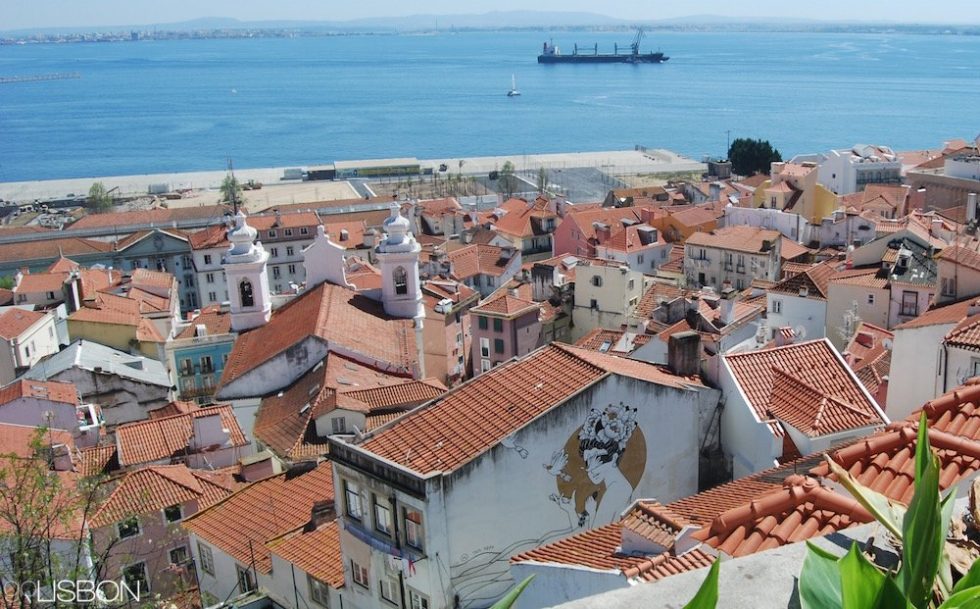
Housing affordability remains the most visible issue shaping daily conversation in Lisbon. Rising rents and property prices have made it harder for local families and younger residents to remain in central neighborhoods. Areas such as Alfama, Mouraria, and Bairro Alto have seen significant change as short term rentals and renovated properties reshape the urban fabric. While investment has improved building quality, it has also altered community dynamics.
Tourism as an Economic Engine
Tourism continues to play a vital role in Lisbon’s economy, supporting thousands of jobs across hospitality, transport, and cultural services. The city’s historic architecture, riverfront setting, and vibrant food scene have helped maintain strong visitor numbers. For many businesses, tourism provides stability and growth. City officials face the task of preserving this economic engine while ensuring it does not overwhelm residential life.
Transport and Mobility Adjustments
Public transport remains a key part of Lisbon’s response to urban pressure. Investment in buses, trams, and metro services aims to improve accessibility while reducing reliance on private vehicles. Traffic congestion and limited parking space have encouraged policies that favor public transport and pedestrian friendly areas. These changes support environmental goals while reshaping how people move through the city.
Neighborhood Identity and Social Fabric
Lisbon’s identity is rooted in its neighborhoods, each with distinct character and history. Long term residents often express concern that rapid change risks eroding local culture. At the same time, new residents and visitors bring diversity and global connections. Maintaining social cohesion requires policies that support local commerce, protect essential services, and encourage mixed use neighborhoods rather than single purpose tourist zones.
Public Space and Urban Quality
Investment in public space has become an important tool for improving quality of life. Riverfront redevelopment, renovated squares, and expanded pedestrian areas aim to make the city more livable for residents as well as attractive to visitors. These projects reflect a broader recognition that urban well being depends on shared spaces that are accessible, safe, and welcoming.
Economic Diversity Beyond Tourism
While tourism dominates headlines, Lisbon is also positioning itself as a center for technology, creative industries, and education. Startups, research institutions, and international companies have established a growing presence in the city. This diversification helps reduce dependence on seasonal tourism and creates new employment paths, particularly for younger residents.
Environmental and Climate Considerations
As climate awareness grows, Lisbon has begun integrating sustainability into urban planning. Efforts include expanding green areas, improving energy efficiency, and promoting low emission transport. Coastal location and heat resilience are increasingly part of planning discussions as the city prepares for long term environmental challenges.
Governance and Local Engagement
City leadership faces the complex task of aligning national policies, municipal planning, and citizen expectations. Public consultations and neighborhood level engagement have become more prominent as residents seek a voice in how Lisbon evolves. Transparency and responsiveness are viewed as essential to maintaining trust during periods of change.
A City at a Turning Point
Lisbon stands at a defining moment where growth and livability must move forward together. The city’s appeal has created momentum that few capitals enjoy, but sustaining that success requires careful management. How Lisbon addresses housing, mobility, and community life will shape its identity for decades to come.


