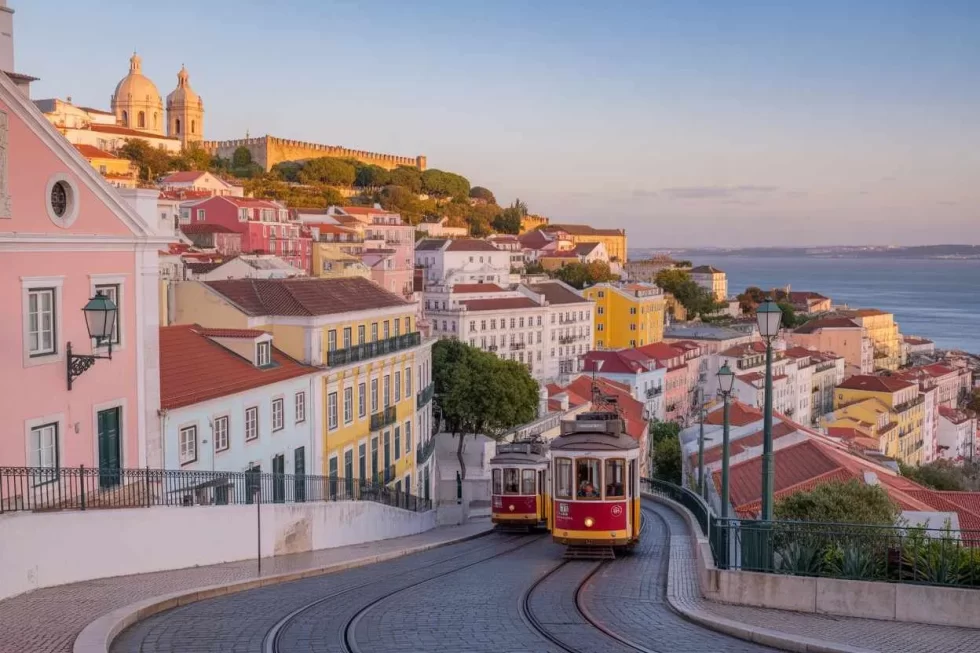
A city reshaped multiple growth engines
Lisbon’s urban economy is undergoing a profound transformation driven the combined forces of tourism, international talent, and technology led innovation. Once defined largely public administration and traditional services, the Portuguese capital has evolved into a more complex and diversified economic center. This shift has reshaped how the city creates value, attracts investment, and positions itself within Europe’s competitive urban landscape.
At the heart of this transformation is Lisbon, which has successfully leveraged its cultural appeal while embracing new economic drivers that extend beyond seasonal tourism and legacy industries.
Tourism as a foundation rather than a limitation
Tourism remains a cornerstone of Lisbon’s economy, but its role has changed in recent years. Visitor numbers have remained strong, supporting hospitality, retail, transport, and cultural industries. More importantly, tourism has become a platform for broader economic activity rather than an isolated sector.
Higher value tourism has gained prominence, with visitors staying longer and spending more across diverse neighborhoods. Conferences, cultural events, and business travel have added a year round dimension to demand, reducing reliance on peak seasons. This evolution has helped stabilize income streams and create more consistent employment opportunities.
Global talent reshaping the labor market
Alongside tourism, Lisbon has attracted a growing pool of international talent. Professionals from across Europe, the Americas, and beyond have relocated to the city, drawn lifestyle advantages, safety, climate, and relatively competitive living costs compared to other European capitals.
This influx has reshaped the labor market. International professionals have boosted demand for skilled services, education, healthcare, and housing, while also contributing to knowledge transfer and productivity gains. English has become more widely used in professional settings, reflecting Lisbon’s increasing integration into global business networks.
Remote work has accelerated this trend, allowing talent to settle in Lisbon while working for companies based elsewhere. This has expanded the city’s economic reach without requiring a proportional increase in traditional office based employment.
Technology and innovation as growth catalysts
The technology sector has emerged as a key pillar of Lisbon’s redefined urban economy. Startups, scaleups, and multinational tech firms have established operations in the city, supported an expanding ecosystem of incubators, accelerators, and research institutions.
Technology driven growth has diversified Lisbon’s economic base and increased its resilience. Digital services, software development, fintech, and creative technologies generate higher value added output, supporting wage growth and export potential. This shift has also strengthened links between academia and industry, fostering innovation and entrepreneurship.
Urban regeneration and changing neighborhoods
The combined impact of tourism, talent, and tech has been most visible in Lisbon’s urban fabric. Formerly underutilized areas have been regenerated into mixed use neighborhoods combining residential, commercial, and cultural functions. While this has revitalized many districts, it has also intensified debates around affordability and social balance.
Rising demand for housing and workspace has pushed prices upward, creating challenges for long term residents. Policymakers are increasingly tasked with managing growth in a way that preserves diversity while sustaining economic momentum.
Economic benefits and emerging tensions
Lisbon’s redefined economy has delivered clear benefits, including higher employment, stronger tax revenues, and increased international visibility. However, the convergence of tourism, global talent, and technology has also created pressure on infrastructure, transport, and public services.
Managing these tensions requires coordinated planning and investment. Expanding housing supply, improving mobility, and supporting skills development are essential to ensuring that growth remains inclusive and sustainable.
Lisbon’s evolving urban identity
Lisbon’s transformation reflects a broader shift in how cities compete in the global economy. combining cultural appeal with innovation and openness to international talent, the city has crafted a distinctive urban model.
Looking ahead, Lisbon’s challenge will be to maintain this balance. If it succeeds, tourism, talent, and technology will continue to reinforce one another, shaping an urban economy that is dynamic, resilient, and globally connected.