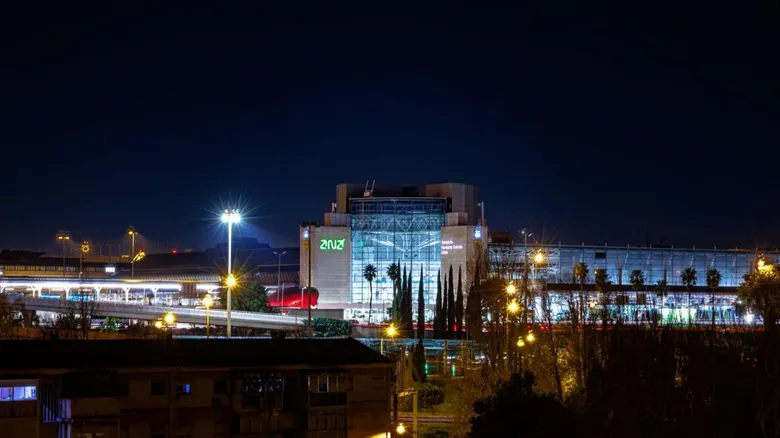
Portugal has emerged as the worst performing country in Europe for flight punctuality, with new figures showing that delays and cancellations affected more than a third of all air travellers using Portuguese airports in 2025. The findings have raised concerns among passengers, tourism operators and aviation experts about the growing strain on the country’s air transport system.
According to a report released AirHelp, Portugal ranked last among European nations with high air traffic volumes when it came to on time performance. The analysis found that out of approximately 277,000 flights operating to and from Portuguese airports during the year, around 81,000 experienced significant disruption. These delays and cancellations affected an estimated 11.6 million passengers, representing about 36 percent of all travellers.
The data places Portugal at the bottom of the European punctuality ranking, ahead of countries that traditionally handle much larger volumes of air traffic. Aviation specialists say the figures highlight systemic challenges rather than isolated operational issues. While flight disruptions have been common across Europe due to staff shortages, air traffic control constraints and extreme weather, Portugal’s numbers stand out for their scale.
Industry analysts point to several factors contributing to the problem. Portugal’s airports, particularly Lisbon, Porto and Faro, have faced sustained pressure from a sharp rebound in tourism and continued growth in low cost carriers. Seasonal peaks, especially during summer months, place additional strain on airport operations, ground handling services and air traffic management.
Staffing shortages have also been cited as a major issue. Airlines and airport operators across Europe have struggled to recruit and retain enough trained personnel following the pandemic. In Portugal, this has coincided with rising passenger demand, creating bottlenecks during boarding, baggage handling and turnaround times. Even minor disruptions can quickly cascade into widespread delays.
AirHelp said the impact on passengers went beyond inconvenience. Many travellers missed connecting flights, lost prepaid accommodation or were forced to rearrange work and family commitments. The company noted that a large proportion of affected passengers may be eligible for compensation under European passenger rights rules, but awareness of those rights remains uneven.
Tourism industry representatives have expressed concern that persistent delays could damage Portugal’s reputation as a reliable destination. Tourism is a cornerstone of the national economy, and airport performance plays a key role in shaping visitors’ first and last impressions of the country. Business groups have called for accelerated investment in airport infrastructure and better coordination between airlines, airports and air traffic control.
Government and aviation authorities have acknowledged the challenges and said measures are being considered to improve resilience. These include staffing initiatives, operational reforms and long discussed plans to expand airport capacity in the Lisbon region. However, critics argue that structural solutions have been delayed for too long.
For passengers, the report serves as both a warning and a call to stay informed. As air travel continues to grow, experts say transparency, planning and enforcement of passenger rights will be essential. Without meaningful changes, Portugal risks remaining at the top of Europe’s flight disruption rankings, with millions more travellers paying the price in lost time and frustration.